

Why Some Branded Residences Fail After Launch (And How Can One Avoid It)
Branded residences have redefined luxury living by blending private home ownership with the prestige of world-class brands like Four Seasons, Armani, and Porsche. The sector has surged over 160% in the last decade, offering buyers an exclusive lifestyle ecosystem rather than just a property investment.
However, prestige doesn't guarantee success. While the concept is robust, poor execution often leads to post-launch failures, such as stagnant sales or operational decline. These issues typically stem from strategic missteps and mismatched expectations during planning. Understanding these disconnects is vital to ensuring a development thrives long after its debut.


Why Branded Residences Fail: Mismatched Expectations
One of the most common reasons for underperformance is a fundamental misalignment between the product and the people it is intended for. A brand name alone cannot compensate for a product that fails to meet the specific needs of its target market.
Inadequate Market Research
Success begins long before the first shovel hits the ground. When developers rely on superficial studies rather than deep demographic analysis, they risk creating residences that do not resonate with local or international buyers.
For instance, a project might emphasize ultra-modern, minimalistic Western designs in a market that culturally values traditional opulence or larger family-centric layouts. Without detailed insight into purchasing power and lifestyle preferences, developers may set price points that are disjointed from reality, either too high for the local market to absorb or too low to sustain the promised luxury service levels.
Misunderstanding Buyer Motivations
Buyers of branded residences are not just looking for shelter; they are seeking identity, convenience, and status. If a project fails to deliver the specific lifestyle integration promised by the brand, whether that is the "passion spaces" for car collectors in a Porsche Design Tower or the wellness-centric environment of a Six Senses residence, the value proposition collapses. When the emotional connection is missing, the premium price tag becomes difficult to justify.
Operational Shortcomings
A stunning launch event and a famous logo are not enough to sustain a residential community. The true test of a branded residence is in its daily operation. When the reality of living in the building does not match the glossy brochure, residents quickly become dissatisfied, leading to reputational damage and reduced asset value.
Location and Infrastructure Issues
Even the most luxurious brand cannot fix a poor location. Projects situated in areas with inadequate infrastructure, such as poor road connectivity, lack of proximity to business hubs, or underwhelming neighborhood amenities, often struggle to retain value. Luxury buyers prioritize convenience and accessibility. If getting to their high-end sanctuary is a hassle, the prestige of the brand quickly fades.
Service Quality Decline
The promise of a branded residence is the assurance of hotel-grade service in a private home. However, "service erosion" is a real risk. This occurs when the initial excitement fades, and the developer or homeowners association (HOA) fails to fund the necessary maintenance and staffing levels.
When elevators stall, concierge services become unresponsive, or common areas lose their sparkle, the "brand standard" is breached. This is often exacerbated by weak legal frameworks post-handover, where the roles of the developer, brand, and management company are ill-defined, leading to a vacuum in accountability.
High Maintenance Costs
Luxury comes at a cost, but unexpected financial burdens can alienate owners. In some markets, monthly maintenance charges can spiral far beyond initial estimates, sometimes totaling millions over a decade. When hidden fees, such as licensing costs or technical service charges, inflate ownership costs by 15-20%, residents may feel misled. This friction often leads to disputes within HOAs, causing some owners to push for cost-cutting measures that further degrade the service quality, creating a cycle of decline.
How to Avoid Failure When Developing a Branded Residence
The path to a successful branded residence lies in meticulous planning, strategic alignment, and a long-term commitment to operational excellence. Developers who treat these projects as holistic ecosystems rather than just real estate sales are the ones who succeed.
Thorough Market Research
Before a brand is even selected, rigorous feasibility studies are essential. Developers must understand not just who can afford the property, but how they want to live. This involves analyzing competitor offerings, understanding cultural nuances in design and service, and ensuring the chosen brand resonates deeply with the target demographic. A brand that appeals to a young tech entrepreneur may not work for a multi-generational family seeking legacy wealth preservation.
Strategic Location Selection
The location must match the brand's prestige. This means securing sites with excellent connectivity, desirable views, and proximity to high-end lifestyle amenities. A strategic location acts as a force multiplier for the brand, enhancing its appeal and ensuring long-term appreciation.
Operational Excellence
To prevent service erosion, the operational framework must be robust from day one. This includes:
Clear Governance: Establishing strong HOAs with enforceable compliance mechanisms ensures that brand standards are maintained.
Transparent Budgeting: providing buyers with realistic long-term cost estimates for maintenance and services to manage expectations and prevent future disputes.
Sustained Brand Commitment: Ensuring the brand operator stays involved post-handover is crucial. This can be achieved through long-term management contracts that prevent "de-flagging," a scenario where the brand removes its name due to poor standards, causing property values to plummet.
Brand Alignment
Finally, the partnership between the developer and the brand must be built on shared values. It is not enough to simply license a name. The physical design of the building, the amenities offered, and the training of the staff must all reflect the brand's DNA. Whether it is the fashion-forward maximalism of Dolce & Gabbana or the zen-like tranquility of Aman, every touchpoint must be authentic.
A Strategic Future for Branded Living
The failure of a branded residence is rarely due to the concept itself, but rather the execution. By understanding the pitfalls of mismatched expectations, operational neglect, and poor financial planning, developers can navigate the complexities of this high-stakes market.
The most successful projects are those that view the residence not as a static asset, but as a living, breathing service ecosystem. They prioritize the resident experience above all else, ensuring that the promise of the brand is kept long after the sales contract is signed.
At Brand Atlas, we specialize in guiding developers and brands through this intricate landscape. From feasibility studies and brand alignment to global sales strategies, we provide the intelligence needed to create developments that stand the test of time.
If you are looking to explore the world’s most exceptional branded residences or require strategic advisory for your next development, visit our platform to discover how we can help you build a legacy.
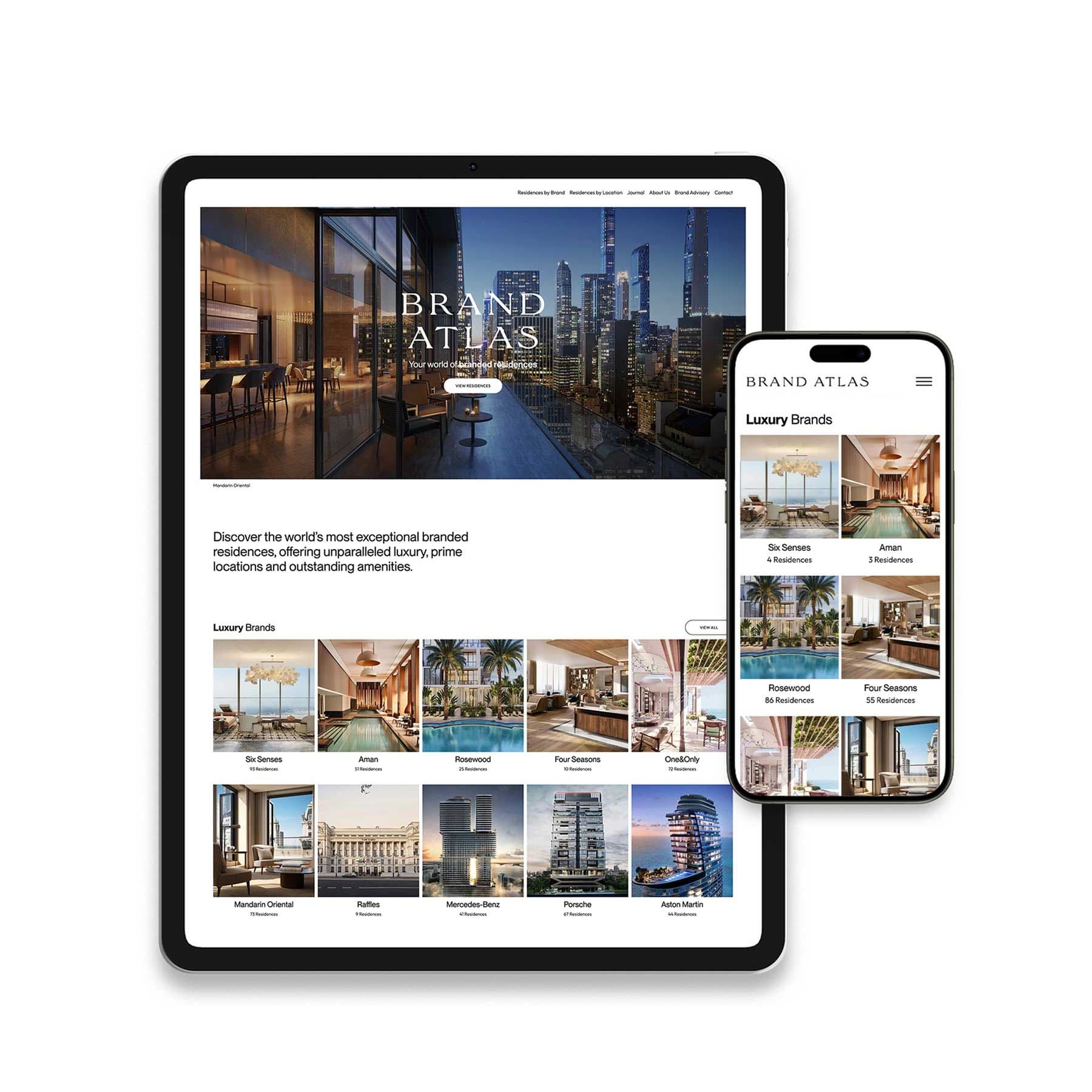
Brand Atlas is the world’s leading branded residences platform and brand consultancy.
Offering the definitive collection of the finest luxury branded residences in the most coveted locations, we give buyers and brands a unique opportunity to connect in this highly desirable and fast-growing market.
We work exclusively with leading brands, recognising the loyal relationship they share with their international audiences - and the exciting extension of luxury lifestyles through exceptional properties.
Providing an unparalleled and unbiased global overview, we enable buyers to see where their favourite brands are developing residences and to enjoy exploring and experiencing these exceptional properties.
Brand Atlas showcases the world’s finest branded residences on one digital platform, allowing global UHNW buyers access to a definitive collection of properties through a prestige network and top-tier technology.
Related News
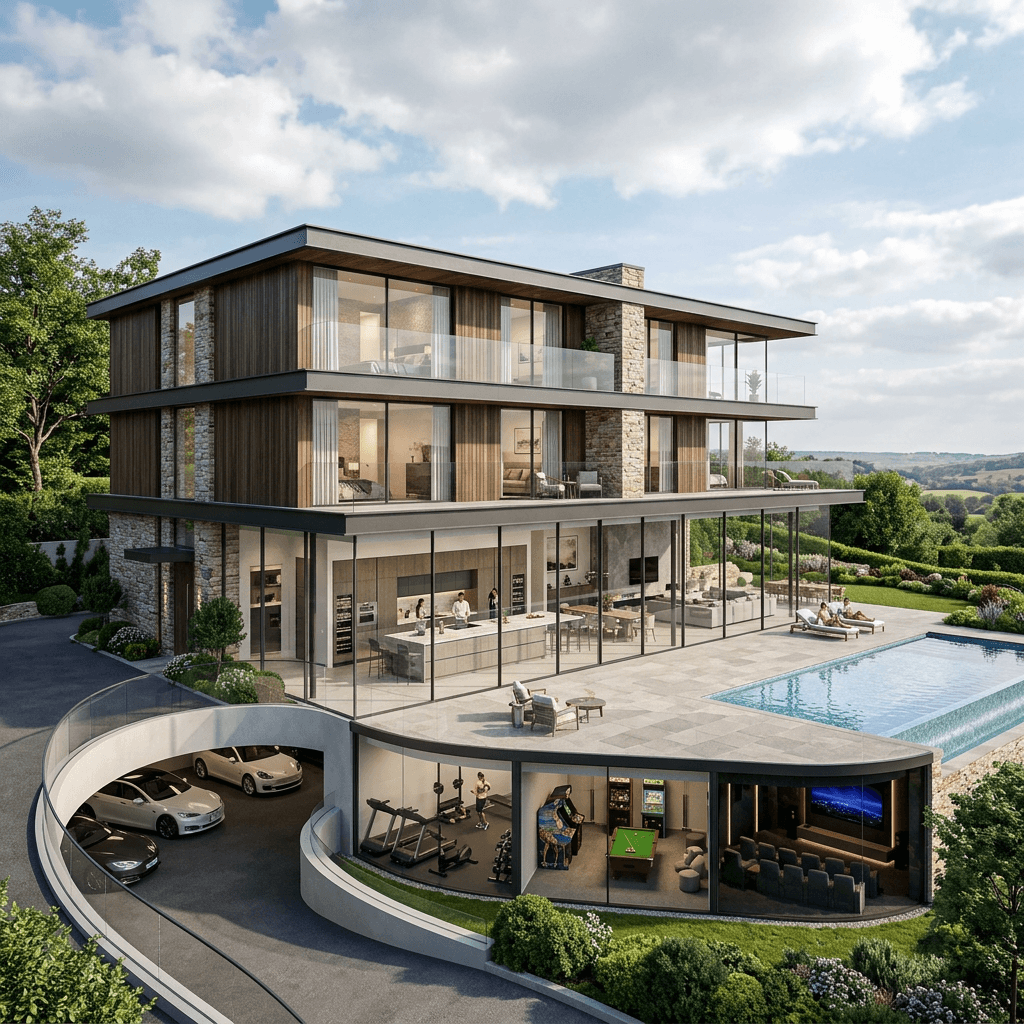
The 10 Most Exclusive Branded Residences in 2026
In 2026, exclusivity in branded residences is no longer defined by price alone. It is shaped by a sophisticated combination of brand equity, geographical rarity, design integrity, and the ability to deliver a consistently elevated living experience.
Premium vs. Performance: The Real Trade-Off Behind Branded and Non-Branded Luxury
Paying 30% more for a branded residence is either a sound strategic move or an expensive oversight. What determines the outcome is not the name on the building, but how well the investor understands the underlying mechanics of the asset before they commit.

The Branded Residence Premium: How Much Is Real, and How Much Is Marketing?
In Miami, Dubai, London, and Singapore, a brand affiliation regularly adds 40% to the price of a residential asset over comparable non-branded stock. In prime markets globally, that range typically sits between 20% and 35%. Those numbers are real. They are also only half the story.