

The Untapped Goldmine: Southeast Asia’s Rise as APAC’s Branded Residences Leader
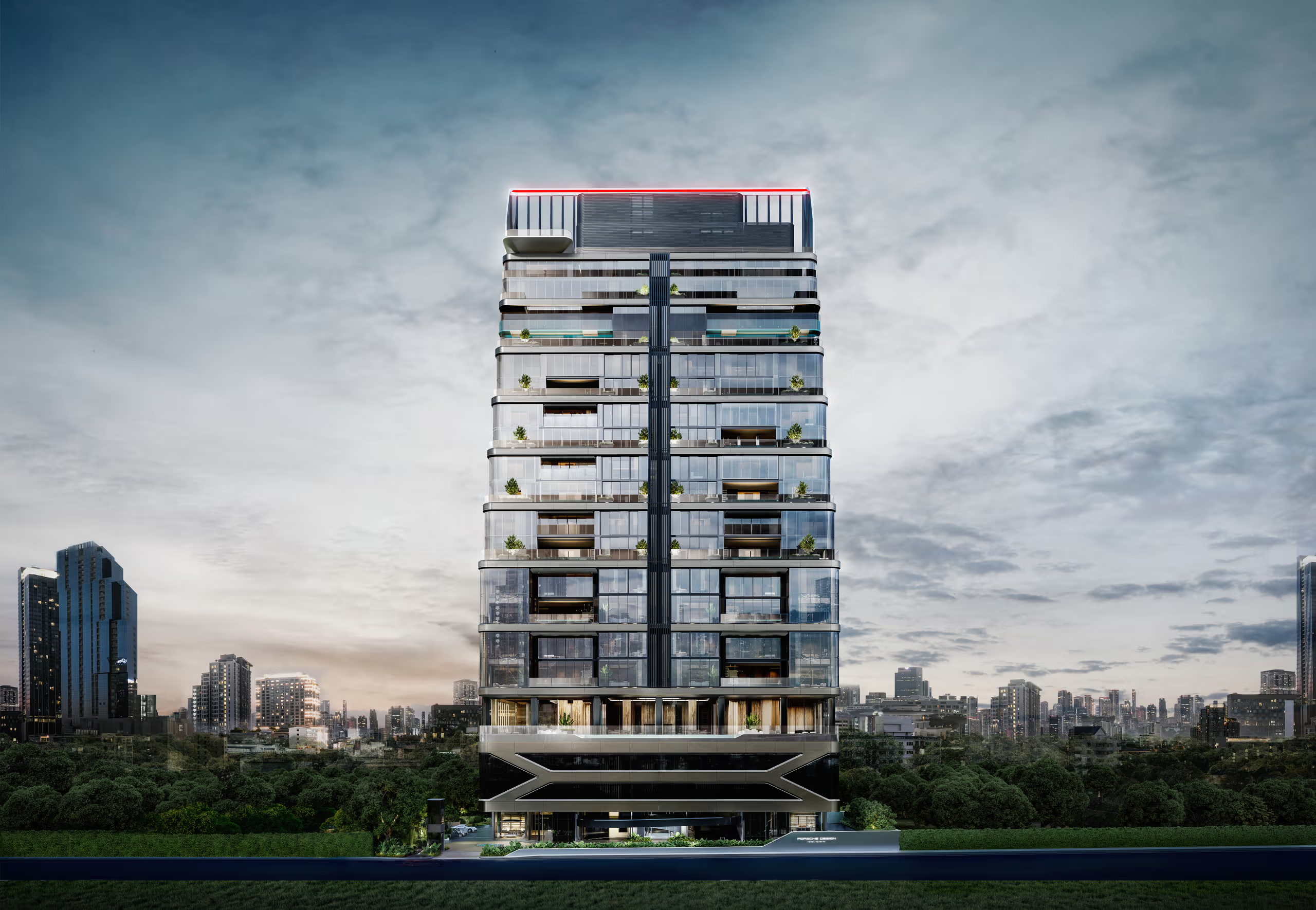
Southeast Asia is emerging as a pivotal hub in Asia-Pacific’s branded residences market, with a projected compound annual growth rate (CAGR) of 10% over the past five years. This surge is driven by increasing developer investments in the luxury segment and a diverse mix of brands entering the space, including non-hospitality names such as Porsche and Etro.


Market Dynamics and Key Players
Thailand commands the largest share of the regional market at 18%, followed by the Philippines with 12% and South Korea at 11%.
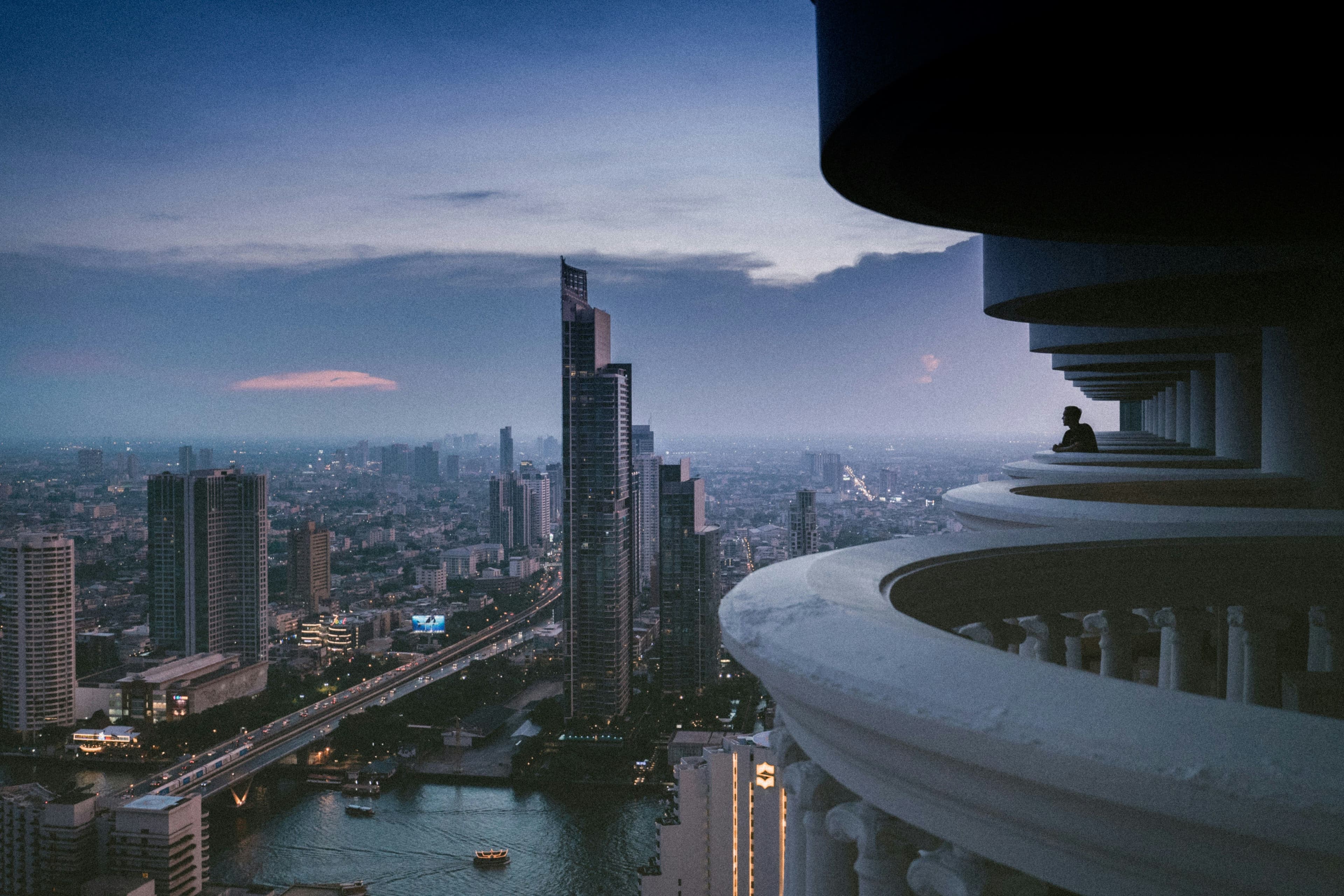
Vietnam leads the future supply pipeline, accounting for 41% of upcoming projects, with 28,460 units in 105 projects not yet launched for sale. Urban destinations comprise 53% of the current active pipeline, while resort destinations make up 47%. However, future supply leans towards resorts, comprising 59% of upcoming projects.
Product Types and Brand Segmentation
Co-located hotel residences dominate the market, representing 57% of active supply. Mixed-use developments account for 24%, while standalone branded residences make up 19%.
Luxury branded residences lead the pipeline, comprising 32% of the market, followed by upscale and upper-upscale properties at 30% and 17%, respectively. Notably, non-hospitality luxury brands now account for 4% of the pipeline, signalling a broader consumer base attracted to design-led and lifestyle-oriented real estate.
Outlook and Opportunities
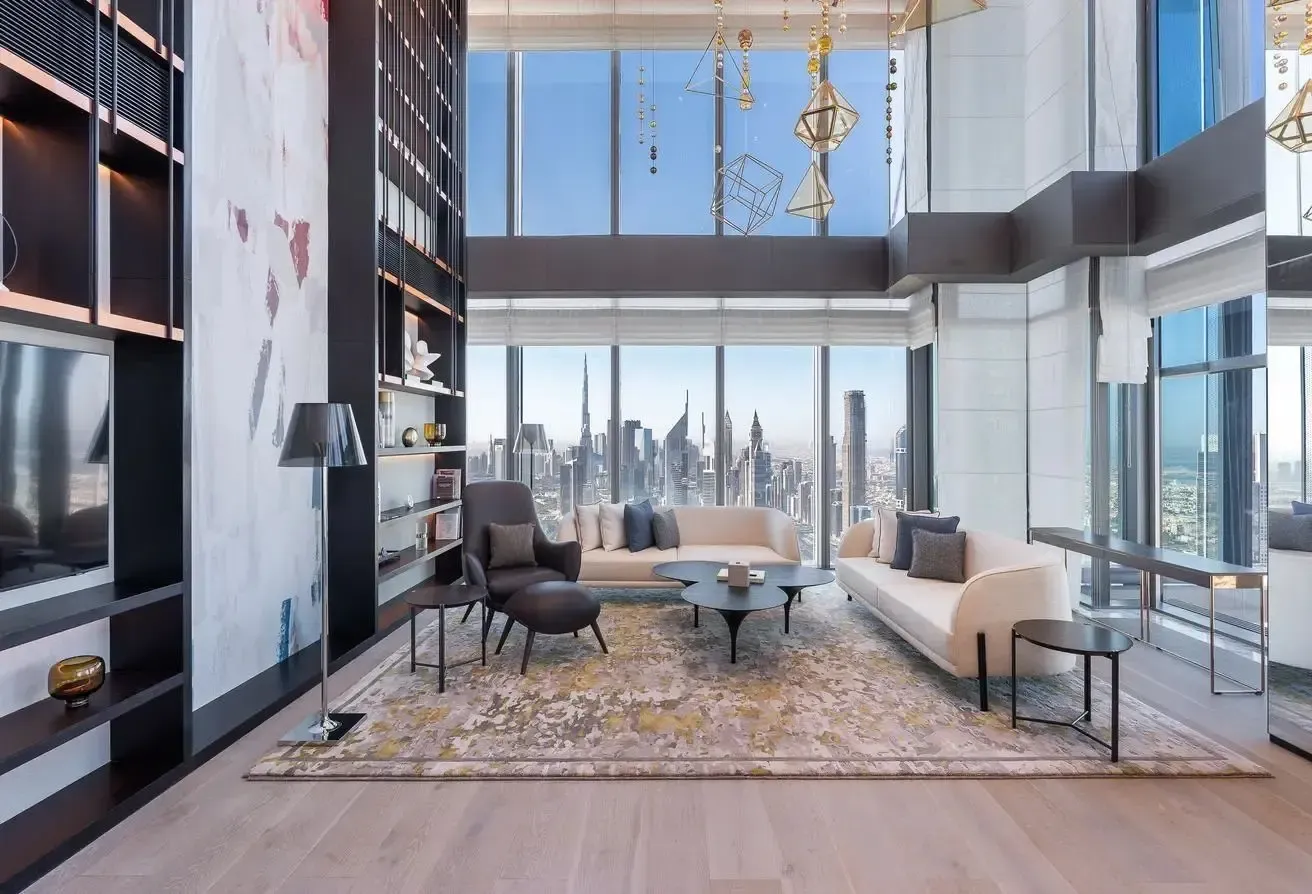
The branded residences sector in Southeast Asia is poised for continued growth, especially as high-net-worth individuals show a preference for trophy assets with strong design elements and premium locations.
Developers are increasingly focusing on secondary cities and emerging resort areas, driven by rising land costs in traditional hubs.

For developers and investors, Southeast Asia presents a dynamic and lucrative market for branded residences, offering opportunities to capitalise on the growing demand for luxury living experiences.
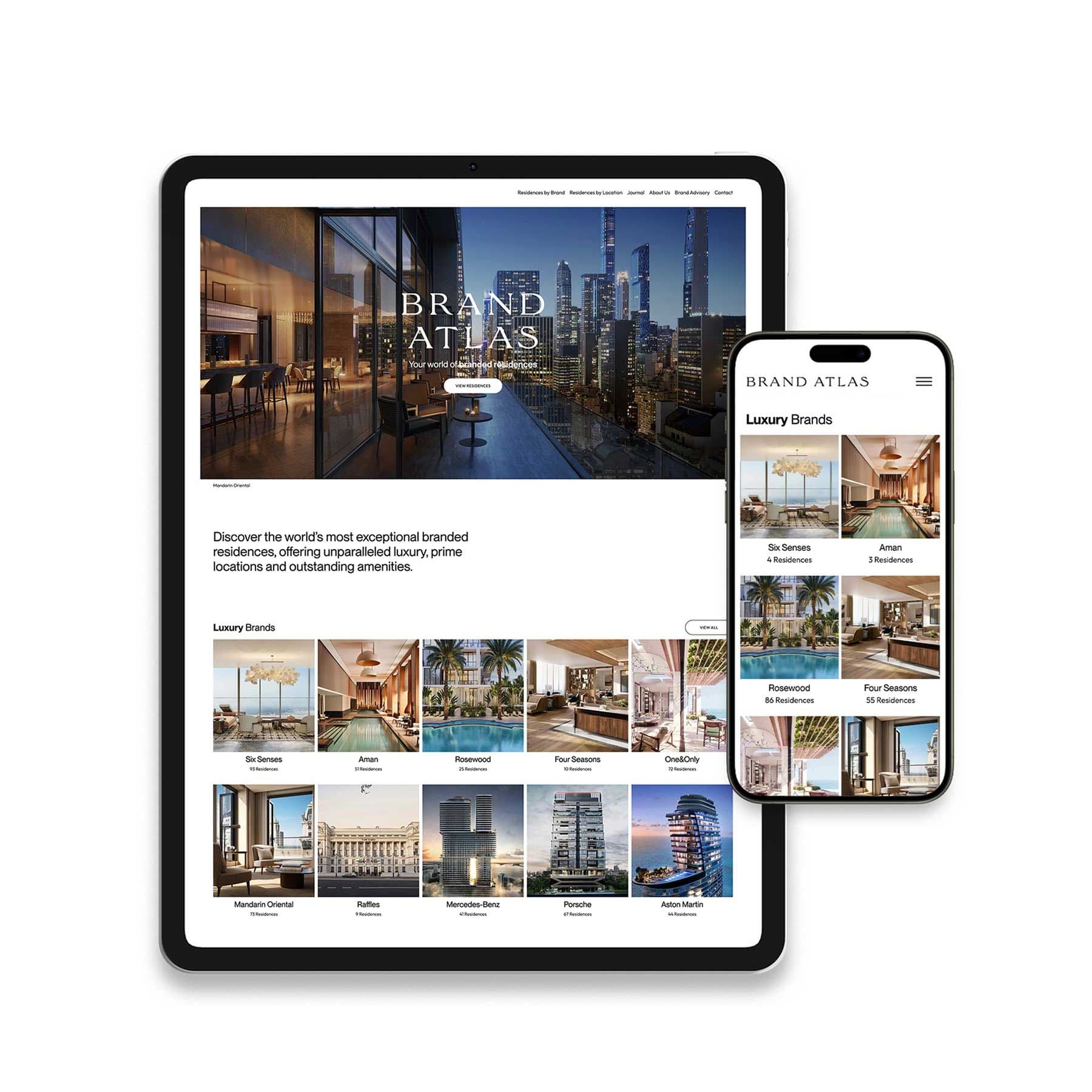
Brand Atlas is the world’s leading branded residences platform and brand consultancy.
Offering the definitive collection of the finest luxury branded residences in the most coveted locations, we give buyers and brands a unique opportunity to connect in this highly desirable and fast-growing market. Darren Barlow, CEO of Brand Atlas, the project is a blueprint for where ultra-luxury living is headed:
We work exclusively with leading brands, recognising the loyal relationship they share with their international audiences - and the exciting extension of luxury lifestyles through exceptional properties.
Providing an unparalleled and unbiased global overview, we enable buyers to see where their favourite brands are developing residences and to enjoy exploring and experiencing these exceptional properties.
Brand Atlas showcases the world’s finest branded residences on one digital platform, allowing global UHNW buyers access to a definitive collection of properties through a prestige network and top-tier technology.
Related News
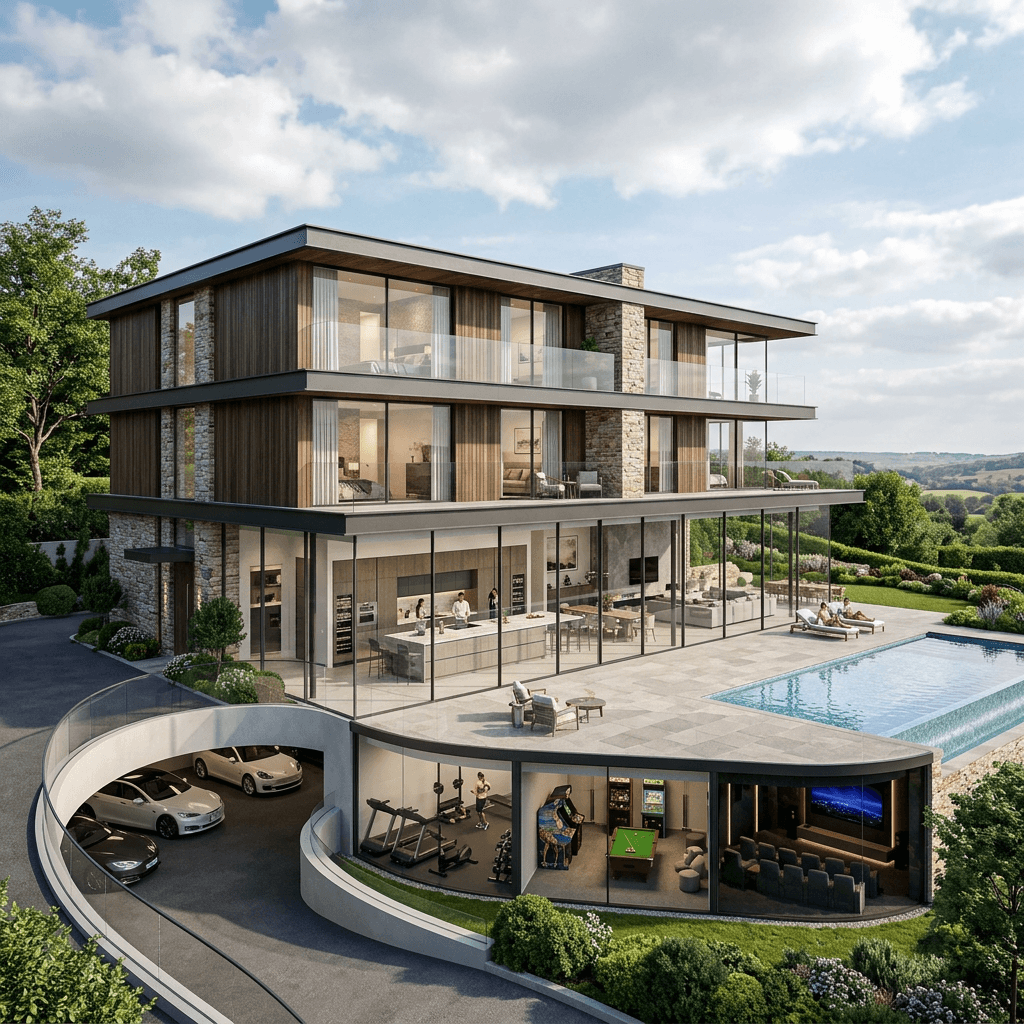
The 10 Most Exclusive Branded Residences in 2026
In 2026, exclusivity in branded residences is no longer defined by price alone. It is shaped by a sophisticated combination of brand equity, geographical rarity, design integrity, and the ability to deliver a consistently elevated living experience.
Premium vs. Performance: The Real Trade-Off Behind Branded and Non-Branded Luxury
Paying 30% more for a branded residence is either a sound strategic move or an expensive oversight. What determines the outcome is not the name on the building, but how well the investor understands the underlying mechanics of the asset before they commit.
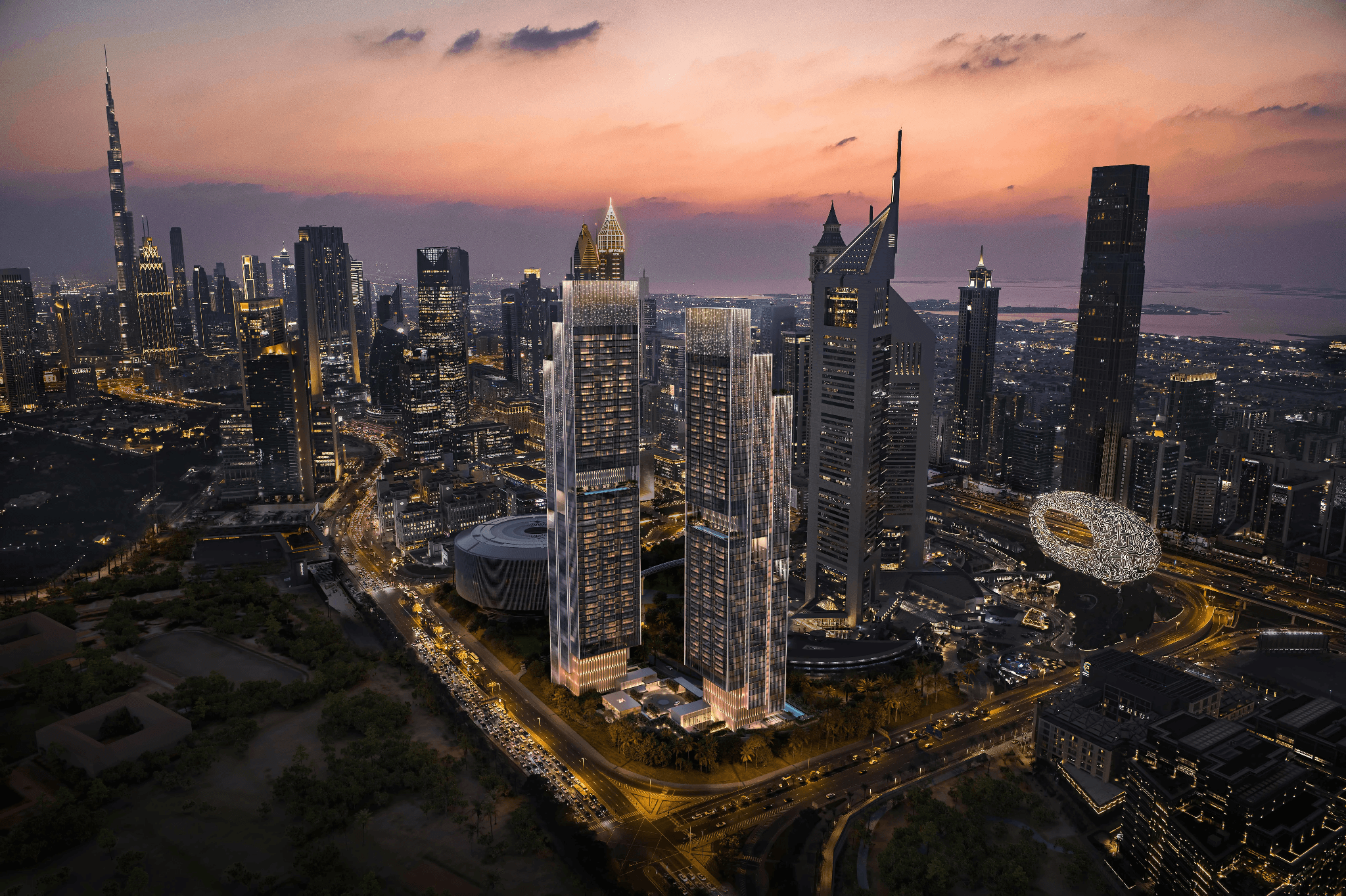
The Branded Residence Premium: How Much Is Real, and How Much Is Marketing?
In Miami, Dubai, London, and Singapore, a brand affiliation regularly adds 40% to the price of a residential asset over comparable non-branded stock. In prime markets globally, that range typically sits between 20% and 35%. Those numbers are real. They are also only half the story.