

Standalone or Co-Located? The Split Is Getting Real
The co-located model made sense for a long time. Build next to a hotel, inherit its service infrastructure, and borrow its brand credibility. For buyers, the logic was easy to follow. For developers, the operating blueprint was already written.
That is no longer the only path.



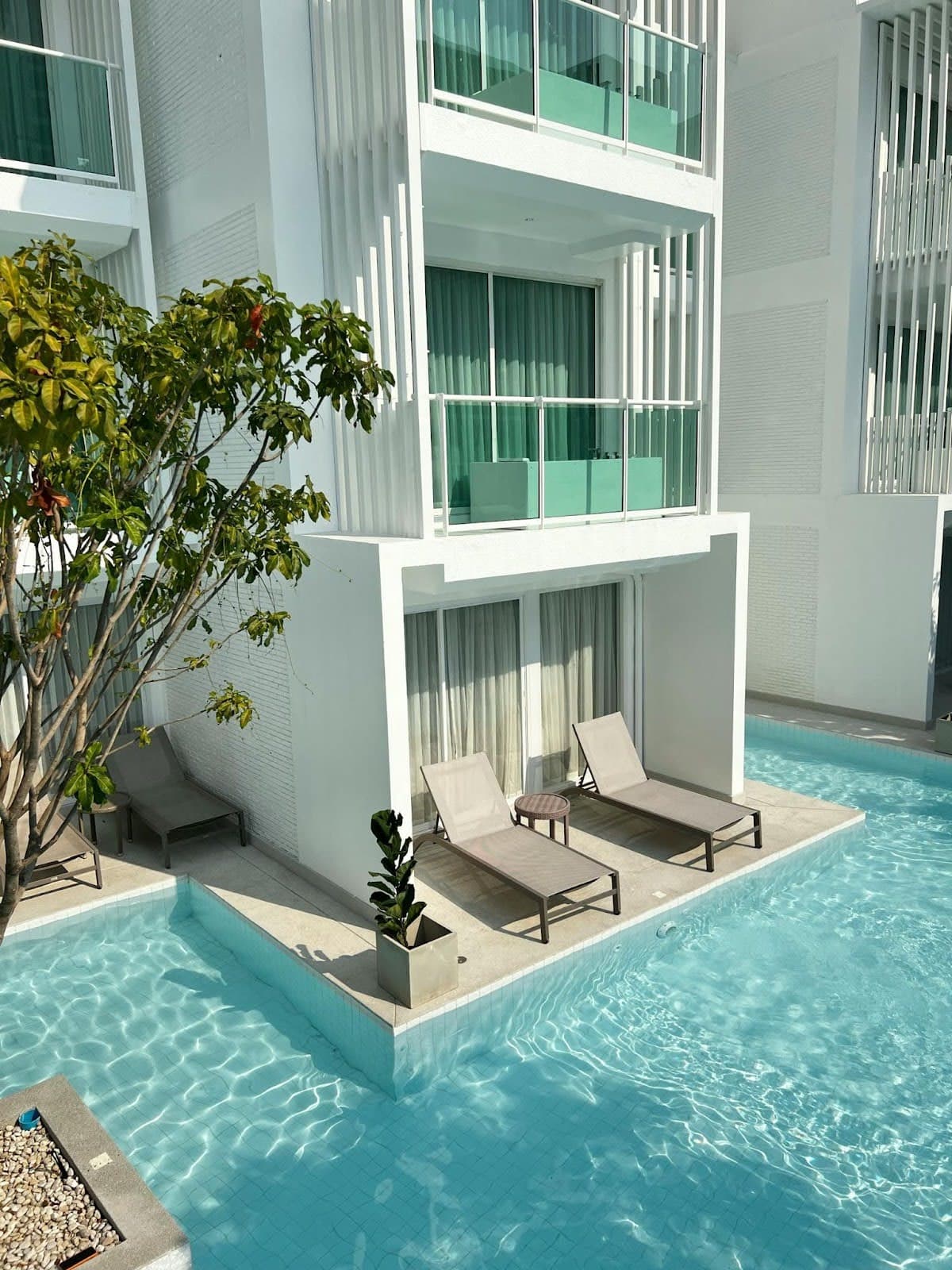
The Rise of Standalone Branded Residences
Standalone developments, which are projects that carry a brand but operate independently of a hotel, represent a growing share of the pipeline globally, according to the Savills Branded Residences Report 2025/2026. They offer lower operational complexity and a more resident-centric experience, though they forgo the synergies of hotel co-location.
The appeal for developers is real: without a hotel, there is no tension between guests and permanent residents, no shared infrastructure pulling in competing directions, and considerably more control over how the residential proposition is shaped and priced.
The Operational Challenge of Independent Schemes
But here is what most developers underestimate: when there is no hotel behind the product, there is no operational safety net either. Service, amenities, and community programming must all be deliberately designed rather than assumed. The hotel was never just a brand badge; it was a delivery mechanism. Remove it and you become responsible for everything it used to handle quietly in the background.

Why Brand Heritage and Ownership Matter
Non-hotel brands in particular face specific challenges, as they lack the heritage of high-level hospitality management and may need to invest significant resources in developing service concepts in detail. The same logic applies to any standalone scheme, regardless of brand origin. Someone has to own the operational model, and that someone is the developer.

Defining a New Product Type
The projects getting this right treat standalone not as a stripped-down co-located scheme, but as a different product type entirely. It is a model that requires its own logic from day one.
Buyers are increasingly sophisticated enough to tell the difference.
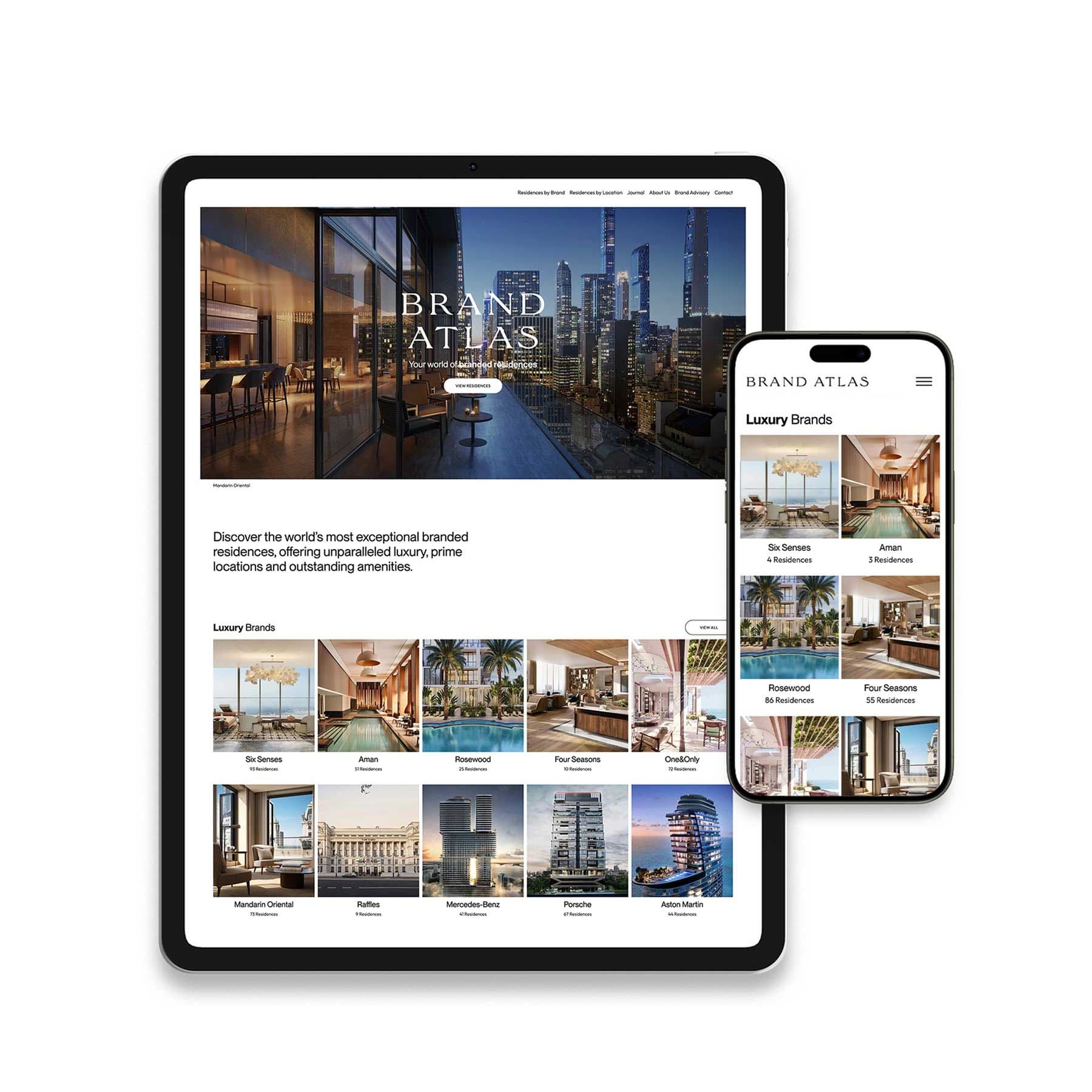
Brand Atlas is the world’s leading branded residences platform and brand consultancy.
Offering the definitive collection of the finest luxury branded residences in the most coveted locations, we give buyers and brands a unique opportunity to connect in this highly desirable and fast-growing market.
We work exclusively with leading brands, recognising the loyal relationship they share with their international audiences - and the exciting extension of luxury lifestyles through exceptional properties.
Providing an unparalleled and unbiased global overview, we enable buyers to see where their favourite brands are developing residences and to enjoy exploring and experiencing these exceptional properties.
Brand Atlas showcases the world’s finest branded residences on one digital platform, allowing global UHNW buyers access to a definitive collection of properties through a prestige network and top-tier technology.
Related News
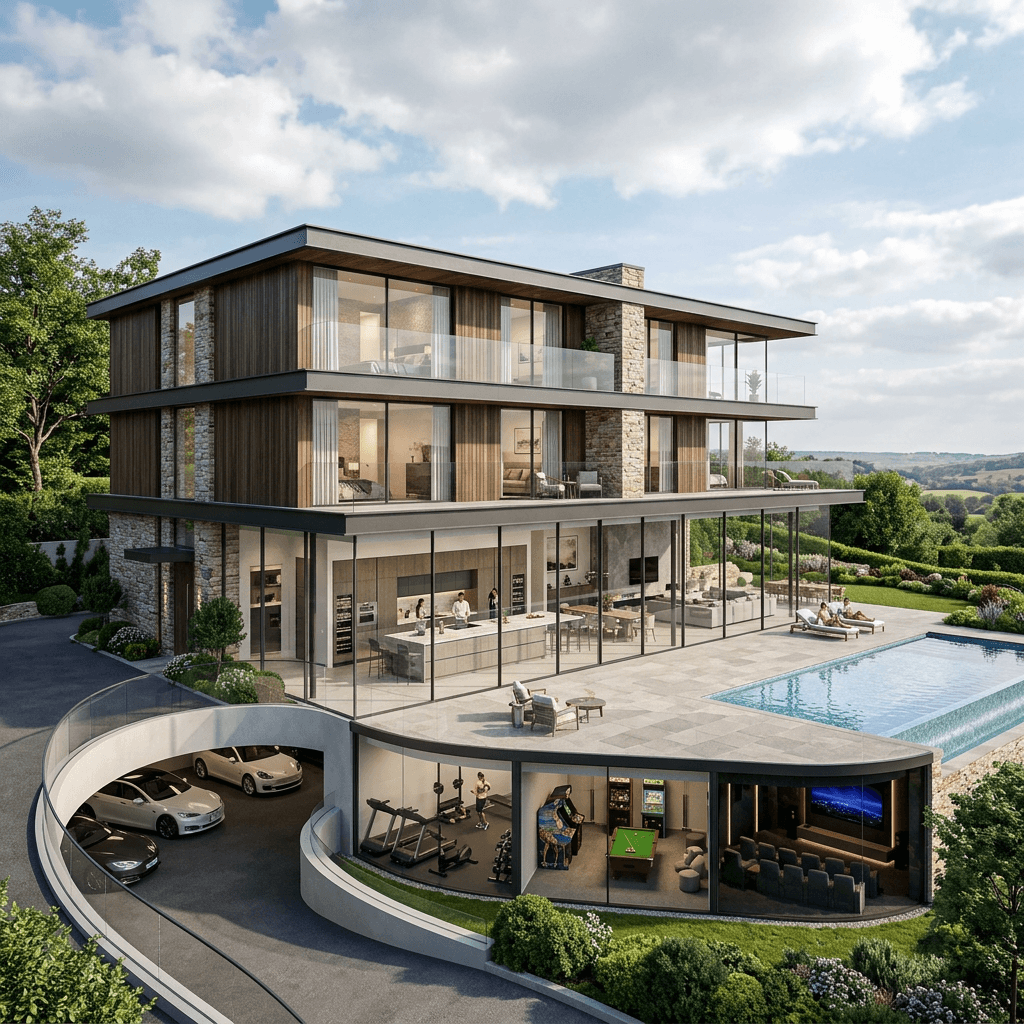
The 10 Most Exclusive Branded Residences in 2026
In 2026, exclusivity in branded residences is no longer defined by price alone. It is shaped by a sophisticated combination of brand equity, geographical rarity, design integrity, and the ability to deliver a consistently elevated living experience.

Premium vs. Performance: The Real Trade-Off Behind Branded and Non-Branded Luxury
Paying 30% more for a branded residence is either a sound strategic move or an expensive oversight. What determines the outcome is not the name on the building, but how well the investor understands the underlying mechanics of the asset before they commit.

The Branded Residence Premium: How Much Is Real, and How Much Is Marketing?
In Miami, Dubai, London, and Singapore, a brand affiliation regularly adds 40% to the price of a residential asset over comparable non-branded stock. In prime markets globally, that range typically sits between 20% and 35%. Those numbers are real. They are also only half the story.