

Elevating Branded Residences: The Brand Atlas Strategy
For modern property developers, entering the luxury market requires more than just premium materials and a prime location; it demands a strategic partnership that aligns architectural vision with the specific lifestyle demands of global Ultra-High-Net-Worth (UHNW) buyers.
In this guide, you’ll learn how Brand Atlas Advisory transforms standard developments into globally recognized branded assets through strategic positioning and data-driven execution.


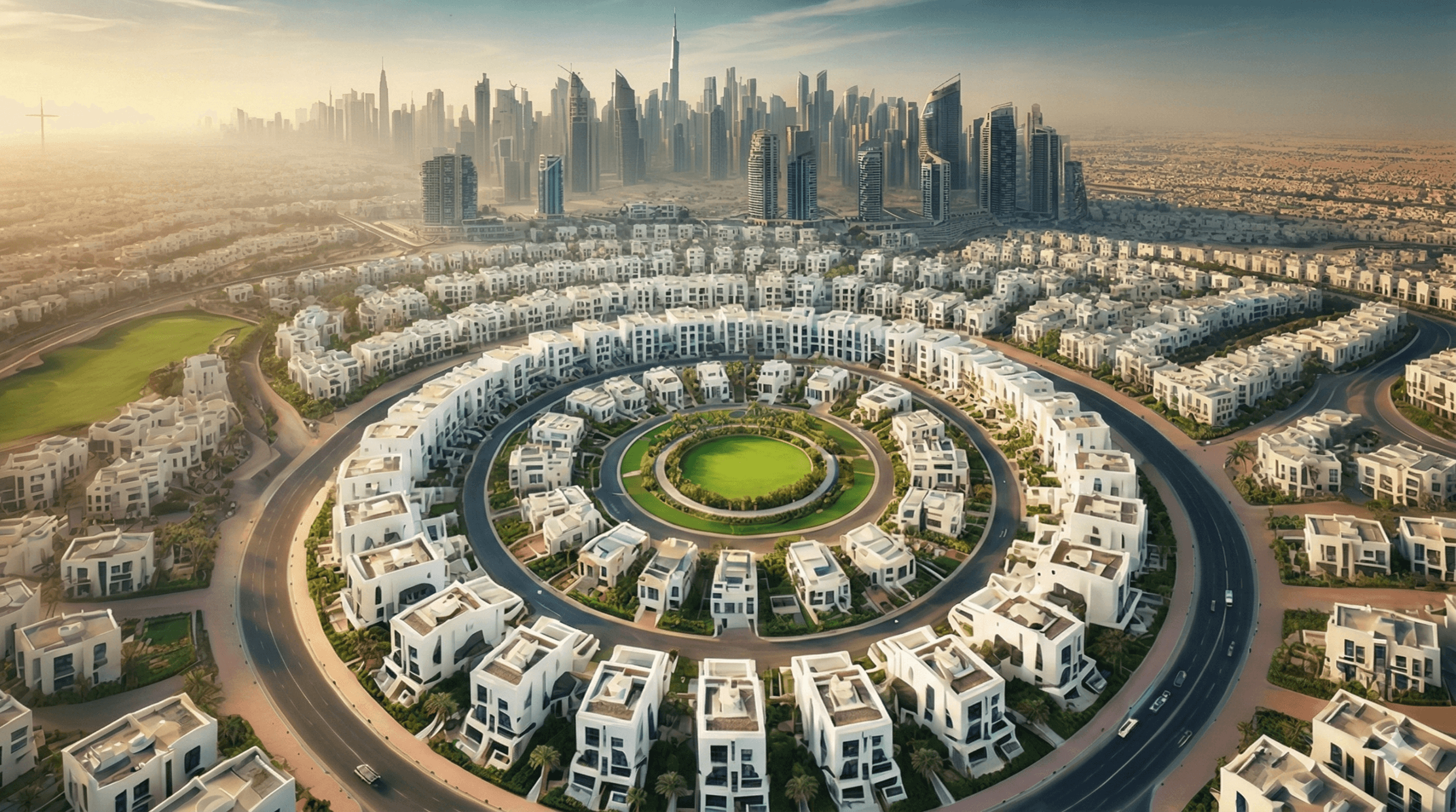
To achieve a potential 30–35% price premium, Brand Atlas Advisory elevates projects through a specific, data-backed ecosystem:
Strategic De-Risking:
Validating commercial viability before ground is broken.
Brand Affinity Lab:
A proprietary process that scientifically matches developers with the right luxury brands.
Global Visibility:
Direct access to UHNW buyers through an AI-driven marketplace.
Lifecycle Management:
From feasibility studies to cinematic marketing via Atlas Studio.
The Real Challenge for Property Developers and UHNW Buyers
Despite the high rewards, the path to a successful branded residence is fraught with friction. Many property developers underestimate the complexity of integrating a third-party brand into a residential asset.
1. Why Developers Struggle to Position Branded Residences Correctly
Misalignment is the primary risk. A developer might pair a quiet, wellness-focused location with a high-energy hospitality brand, creating a product that confuses the market. Without specialized branded residence consultants, these strategic missteps can lead to slow sales velocity.
2. What UHNW Buyers Expect Beyond Luxury Design
Buyers are sophisticated. They can detect when a brand is merely a "badge" rather than an operational reality. They expect the service standards, scent profiles, and concierge levels to match the brand's reputation perfectly.
3. The Gap Between Branding, Sales, and Market Understanding
There is often a disconnect between the construction team, the branding agency, and the sales team. Brand Atlas Advisory fills this void, ensuring that the promise made during the marketing phase is technically feasible and operationally sustainable.
What Brand Atlas Advisory Actually Does for Developers
Brand Atlas Advisory moves beyond traditional consulting by offering a full-lifecycle service suite. They act as the "brand guardians" for property developers, ensuring commercial robustness from day one.
1. Strategic Brand Matching and Positioning
Through their Brand Affinity Lab, Brand Atlas uses structured workshops to align developers with brands based on values and long-term potential, not just name recognition. This ensures the partnership survives beyond the launch.
2. Connecting Developers to Global Luxury Audiences
Most agencies operate locally. Brand Atlas leverages a global platform that showcases projects to international investors, breaking geographical barriers that typically limit sales reach.
3. Market Intelligence and Data-Driven Advisory
Decisions are based on rigor, not guesswork. Their team provides deep feasibility studies, financial modeling, and competitor analysis to determine the optimal unit mix and pricing strategy for specific locations.
4. Concept to Sales Strategy
Their involvement spans eight key service areas, including:
● Envisioning & Masterplanning
● Brand Identification & Contract Negotiation (RFP management)
● Show Suite Solutions (Design and build)
● Project Management of the launch program
How Brand Atlas Bridges Property Developers and UHNW Buyers
Successful branded real estate advisory requires understanding both the creator (developer) and the end-user (buyer). Brand Atlas functions as the strategic bridge between these two worlds.
1. Understanding UHNW Buyer Psychology
Brand Atlas analyzes the browsing habits and lifestyle preferences of the global elite. They know whether a specific demographic values privacy over community, or wellness amenities over entertainment spaces.
2. Aligning Brand Identity With Buyer Lifestyle Aspirations
A residence must be an extension of the buyer's identity. Brand Atlas ensures that the architectural language and interior design reflect the ethos of the brand, creating an emotional connection that drives higher conversion rates.
3. Creating Global Visibility for Branded Projects
Through their digital platform and the creative power of Atlas Studio (their in-house film production arm), they craft cinematic narratives. These aren't just property walkthroughs; they are brand stories that resonate with international audiences.
4. Building Trust Through Credibility and Brand Association
By curating only the finest projects and brands, Brand Atlas creates a halo effect. Being listed on their platform or advised by their team signals to the market that a development meets the highest global standards.
Key Ways Branded Real Estate Advisory Services Elevate Projects
1. Stronger Market Positioning in Competitive Locations
In "Fire Horse" cities like Dubai, London, and Bangkok, standing out is difficult. Advisory services help sharpen the unique selling proposition (USP), ensuring the project isn't just another luxury tower.
2. Higher Perceived Value and Pricing Power
The integration of a brand, when done correctly, justifies a significant price per square foot increase. Advisory ensures the "hard product" (the building) justifies the "soft brand" premium.
3. Improved Pre-Sales and Investor Confidence
Investors prefer projects with clear operational roadmaps. A feasibility study from a reputable advisory firm provides the confidence institutional investors need to commit capital early.
What Developers Gain by Working With Specialised Advisory Firms
Generalist real estate consultants often lack the nuance required for branded residences. Branded property strategy is a niche field requiring specific expertise in hospitality operations and luxury licensing.
1. Reduced Brand Partnership Risks
Negotiating with a global hotel group or fashion house is complex. Brand Atlas manages the RFP and contract negotiation, protecting the developer's interests regarding fees, term lengths, and design mandates.
2. Better Alignment Between Developers and Global Brands
The "Atlas Collective" provides developers with access to a vetted network of architects, interior designers, and sustainability experts who specifically understand the requirements of branded projects.
3. Access to International Networks and Insights
Brand Atlas operates with a global outlook. They bring insights from successful projects in Miami or Phuket and apply relevant lessons to new developments in emerging markets like Saudi Arabia or Vietnam.
Emerging Trends Shaping the Future of Branded Residences
To elevate a project, property developers must look ahead to 2030, not just the current market. Brand Atlas Advisory integrates these future-forward trends into its strategic planning.
1. Wellness, Sustainability, and Experiential Living
The "Eco-luxe" movement is non-negotiable. Buyers demand net-zero features and wellness-centric design (circadian lighting, air purification). Advisory ensures these are baked into the masterplan, not added as afterthoughts.
2. Non-Hotel Luxury Brands Entering Real Estate
Fashion and automotive brands (like Porsche, Armani, or Bentley) are growing segments. These require a different approach than hotel brands, focusing more on design aesthetics and less on hotel-style operations.
3. Data-Driven Decision Making for Developers
The future of development is analytical. Using AI and heat mapping to understand where capital is flowing allows developers to make land acquisition and product mix decisions with higher precision.
4. Rise of Branded Residences in Emerging Markets
Growth is shifting toward regions like the Middle East and Southeast Asia. Advisory firms provide the local nuance required to navigate these high-growth but culturally distinct regulatory environments.

Why Brand Atlas Advisory Is Positioned for the Next Era of Luxury Development
Brand Atlas combines deep industry tenure with modern technology. Their leadership team brings experience from iconic projects like One&Only, Atlantis The Palm, and Raffles London at The OWO.
1. Global Perspective with Local Market Insight
With offices in London, Bangkok, and Phuket, they offer a "follow the sun" service model. They understand the shifting flow of wealth from East to West and vice versa.
2. Advisory Focused on Both Developers and Buyers
Unlike firms that only serve the developer, Brand Atlas maintains a direct relationship with buyers through its marketplace. This feedback loop ensures their advice to developers is grounded in real-time buyer sentiment.
3. Helping Projects Stand Out in an Expanding Market
By offering creative services (Atlas Studio) alongside strategic advice, they ensure the project looks as good as the financial model suggests. This holistic approach is rare in the sector.
Building Branded Residences That Resonate Globally
For property developers, the era of simply building "luxury" is over. To capture the attention of UHNW buyers and secure the premiums associated with branded real estate, a strategic, data-led approach is essential.
Brand Atlas Advisory offers the expertise, network, and technological platform to navigate this complex sector. By aligning commercial logic with emotional branding, they help developers create assets that are not just built, but truly celebrated.
Brand Atlas is the world’s leading branded residences platform and brand consultancy.
Offering the definitive collection of the finest luxury branded residences in the most coveted locations, we give buyers and brands a unique opportunity to connect in this highly desirable and fast-growing market.
We work exclusively with leading brands, recognising the loyal relationship they share with their international audiences - and the exciting extension of luxury lifestyles through exceptional properties.
Providing an unparalleled and unbiased global overview, we enable buyers to see where their favourite brands are developing residences and to enjoy exploring and experiencing these exceptional properties.
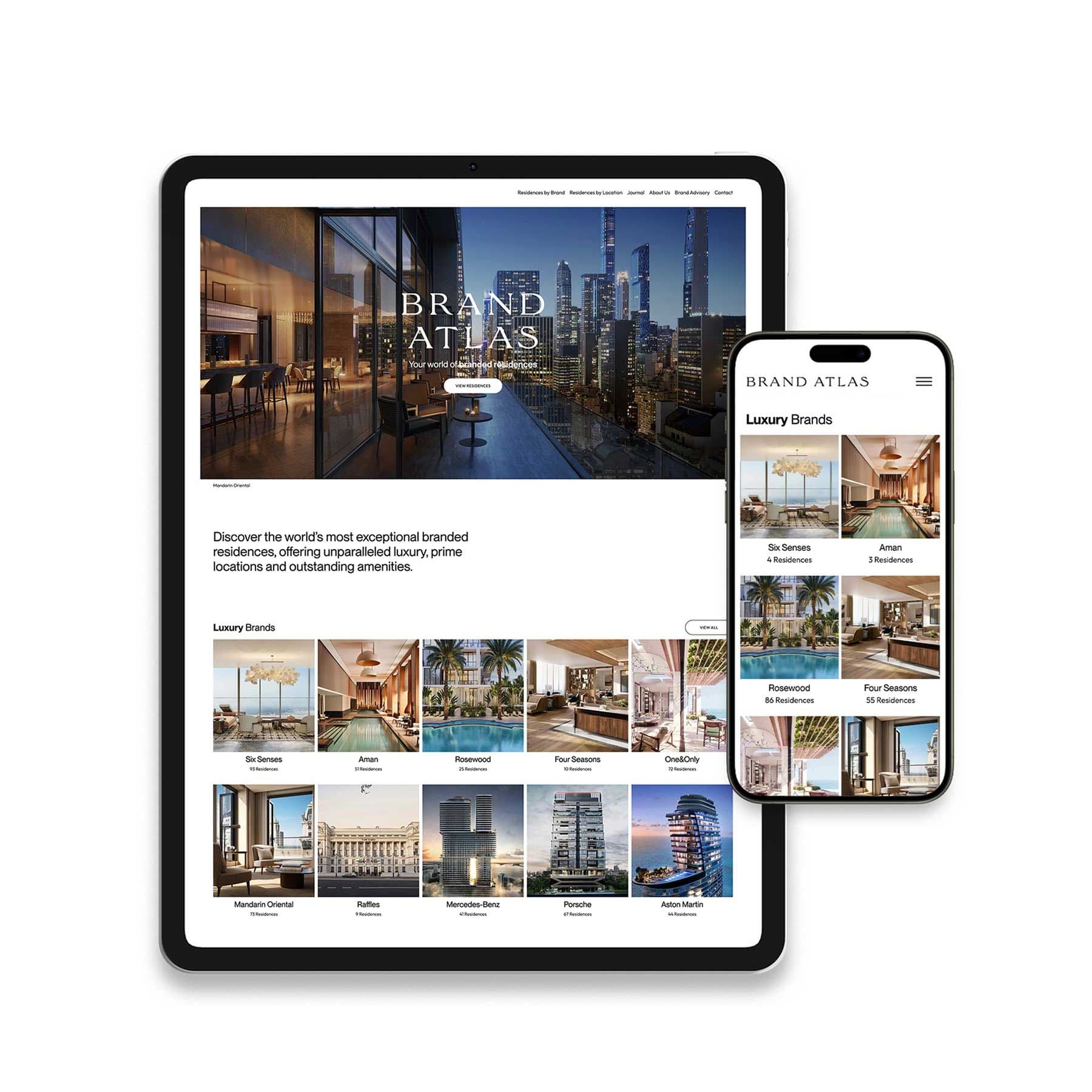
Brand Atlas showcases the world’s finest branded residences on one digital platform, allowing global UHNW buyers access to a definitive collection of properties through a prestige network and top-tier technology.
Related News
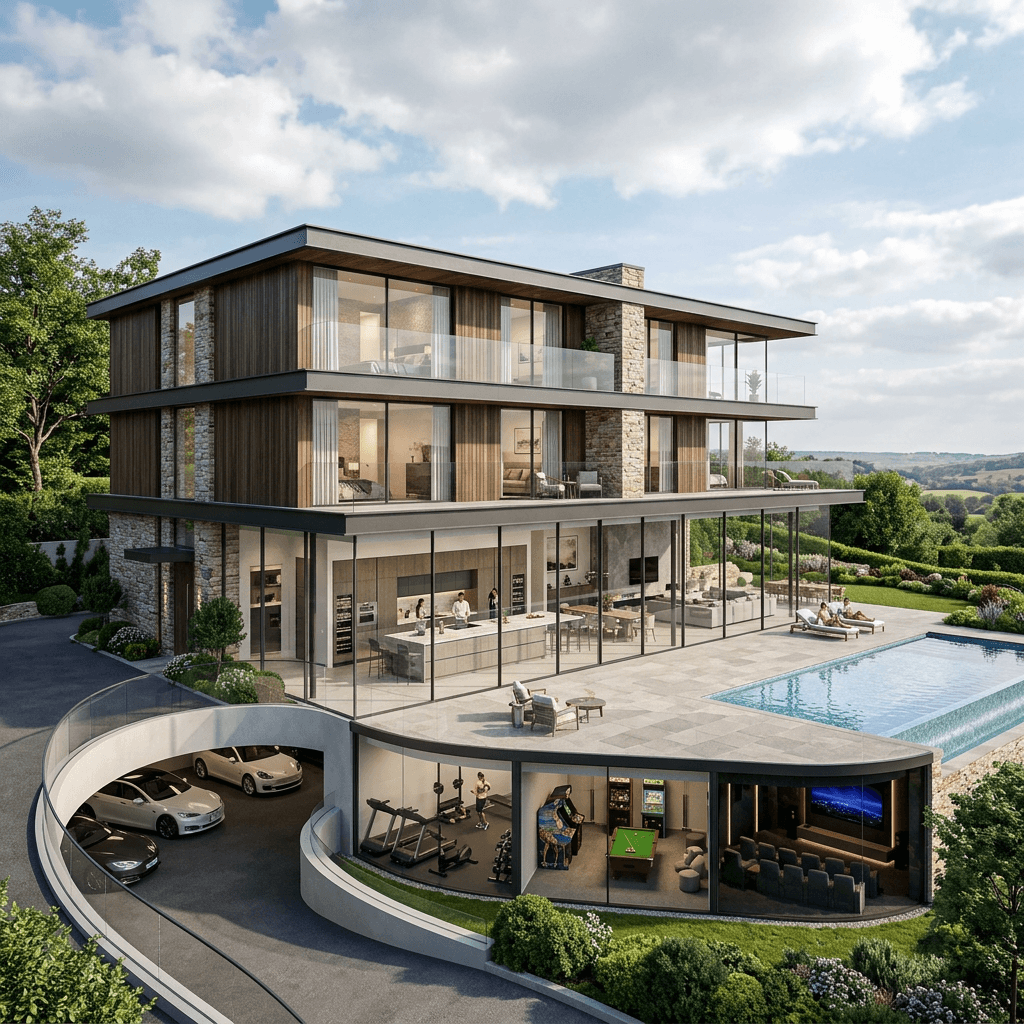
The 10 Most Exclusive Branded Residences in 2026
In 2026, exclusivity in branded residences is no longer defined by price alone. It is shaped by a sophisticated combination of brand equity, geographical rarity, design integrity, and the ability to deliver a consistently elevated living experience.
Premium vs. Performance: The Real Trade-Off Behind Branded and Non-Branded Luxury
Paying 30% more for a branded residence is either a sound strategic move or an expensive oversight. What determines the outcome is not the name on the building, but how well the investor understands the underlying mechanics of the asset before they commit.
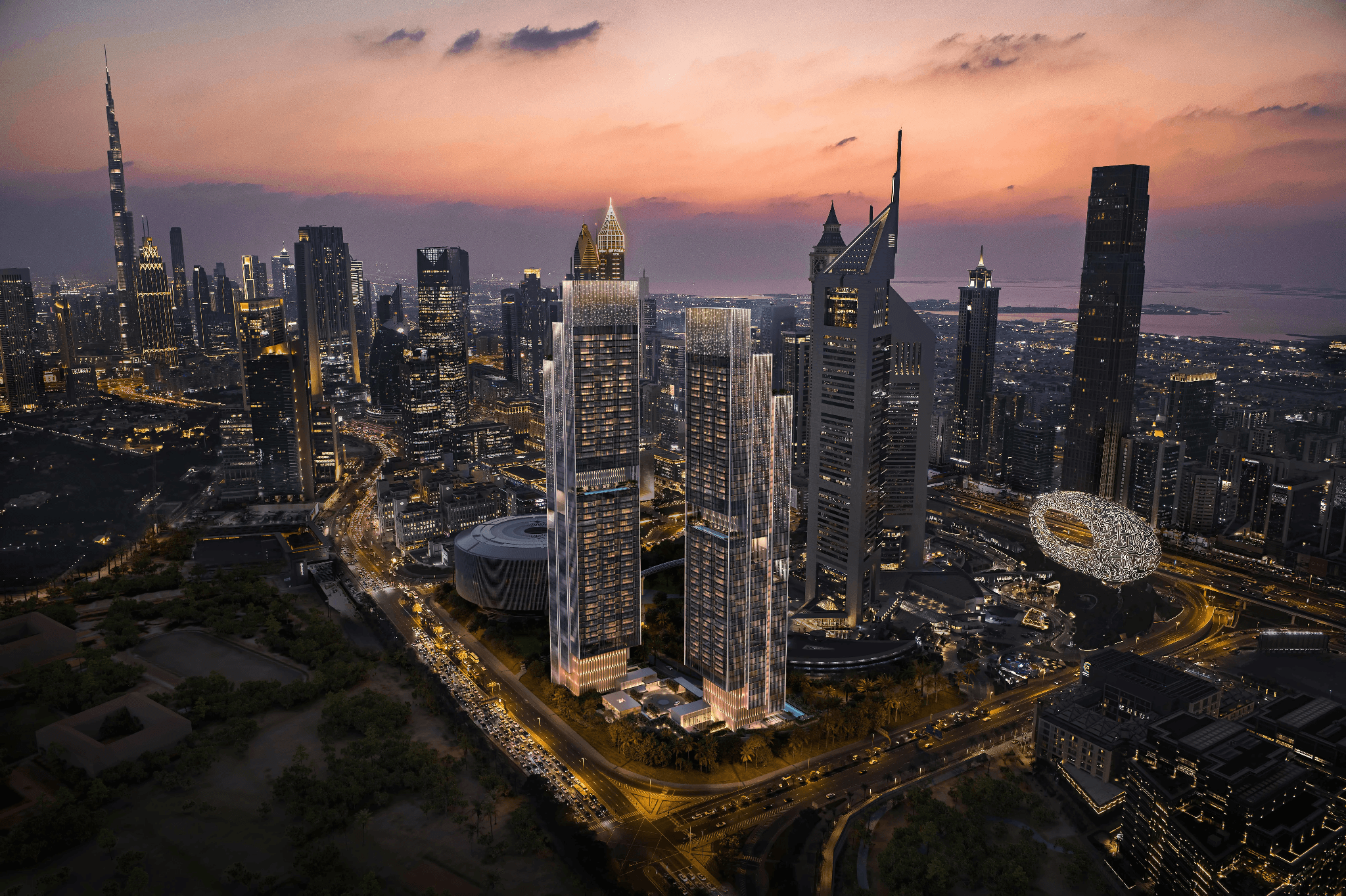
The Branded Residence Premium: How Much Is Real, and How Much Is Marketing?
In Miami, Dubai, London, and Singapore, a brand affiliation regularly adds 40% to the price of a residential asset over comparable non-branded stock. In prime markets globally, that range typically sits between 20% and 35%. Those numbers are real. They are also only half the story.