

When "Branded Residences" Add Value and When They Do Not
In the last decade, the branded residence sector has evolved from a niche asset class into a dominant force in global luxury real estate. With the global supply of these projects expected to double by 2030, developers and investors are no longer asking if the model works. The more critical question has become: under what specific conditions does a brand actually drive return on investment?
For Ultra-High-Net-Worth (UHNW) buyers and developers, the distinction between a high-performing asset and a marketing gimmick is often found in the details of operations and alignment. A brand can act as a powerful accelerator for sales velocity and price premiums, or it can become an expensive liability if the fundamentals are flawed. Understanding where value is created and where it is merely perceived is essential for navigating this complex market.


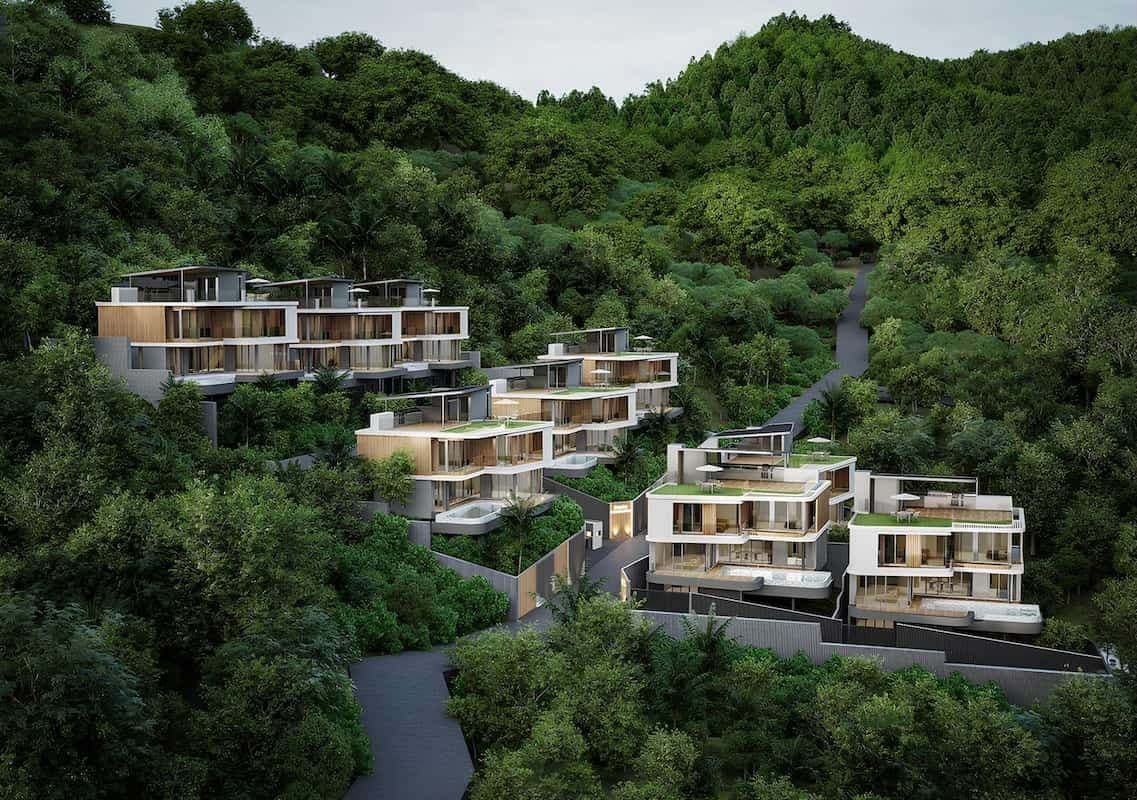
What Are Branded Residences?
At its core, a branded residence is a residential property associated with an established luxury brand that provides design, services, and amenities. These projects generally fall into two categories: Hotel-Branded (e.g., Four Seasons, Ritz-Carlton, Aman) where the brand manages the daily operations, and Non-Hotel Branded (e.g., Porsche Design, Armani, Elie Saab), where the value proposition is driven by design aesthetics and lifestyle alignment.
Globally, branded residences typically command a price premium of 10% to 35% over comparable non-branded luxury stock. However, this figure is an average that masks significant regional variance. In emerging markets where construction quality can be inconsistent, a global brand can drive premiums exceeding 50% by offering a "trust seal" of quality. Conversely, in mature markets like London or New York, where unbranded luxury stock is already world-class, the premium is often lower and driven strictly by service differentiation.

How Branded Residences Add Value in the Right Conditions
When executed correctly, the partnership between a developer and a brand creates a tangible asset value that exceeds the sum of its parts. This value manifests in three specific areas.
1. High Investment Absorption and International Appeal
For developers, the primary value of a brand is its ability to transcend borders. An investor in Hong Kong may not know the reputation of a local Miami developer, but they instinctively understand the quality implied by a "St. Regis" or "Mandarin Oriental." This global recognition reduces buyer friction, leading to faster sales velocity and stronger off-plan absorption rates compared to unbranded competitors.
2. Enhanced Resale Liquidity
Liquidity is often the overlooked advantage of the sector. In the secondary market, branded residences benefit from sustained demand because the brand provides a standardized benchmark of quality. A prospective buyer five years post-completion knows that the building has been maintained to the brand’s rigorous global standards. This assurance often translates to shorter time-on-market and stronger resale values.
3. Operational Excellence and Rental Synergy
The most durable value driver is operational integration. For hotel-branded residences, owners gain access to 5-star amenities, housekeeping, concierge, and in-residence dining that a standalone building cannot cost-effectively replicate. Furthermore, if the unit can be placed into the hotel’s rental inventory, it can generate higher yields than a standard long-term rental, offsetting the costs of ownership.

When Branded Residences Do NOT Add Real Value
Despite the sector's growth, simply placing a logo on a building does not guarantee success. There are specific scenarios where the branded model fails to deliver ROI for investors or developers.
1. Weak Brand Alignment and Oversupply
Value erodes quickly when there is a mismatch between the brand and the location. Placing a high-fashion brand in a market driven by corporate tenants, or a wellness brand in a hyper-urban district with poor air quality, creates a confused product. Furthermore, "brand fatigue" is a rising risk in certain micro-markets. If a neighborhood becomes saturated with branded towers, the exclusivity factor diminishes, and the premium becomes harder to justify.
2. The Impact of Excessive Service Charges
Service charges are the silent killer of net yield. Branded residences inherently come with higher operating costs due to the level of staffing and amenities required to meet brand standards. If these costs are not balanced by superior rental returns or capital appreciation, they can significantly drag down the asset's performance. Buyers in the secondary market are increasingly sophisticated and will scrutinize the "cost-to-lifestyle" ratio closely.
3. Risks of Short-Term Licensing
Investors must distinguish between operational management and simple licensing. Some projects operate under a licensing agreement where the brand lends its name for a fee but has minimal involvement in day-to-day management. If the license expires in 10 or 15 years and is not renewed, the building loses its identity overnight. Without the brand, the property is simply an older building with high maintenance costs, which can lead to a sharp correction in resale value.
Location vs. Brand: The Hierarchy of Value
In the hierarchy of real estate fundamentals, location remains superior to brand positioning. A prime location without a brand will almost always outperform a compromised location with a top-tier brand.
The brand should be viewed as a multiplier, not a fix. It can elevate a Grade-A location to a trophy asset, but it cannot rescue a Grade-C location. Sophisticated investors understand that while a brand can generate initial marketing hype in a secondary location, long-term capital appreciation is dictated by the underlying desirability of the neighborhood, connectivity, and view corridors.
Who Should Consider Buying Branded Residences?
The suitability of a branded residence depends entirely on the buyer's profile and investment horizon.
Ideal Profiles:
● International UHNW Buyers: Those seeking a "lock-up-and-leave" asset where security and maintenance are handled by a trusted operator.
● Lifestyle Purchasers: Buyers who value immediate access to hotel-grade services and are willing to pay for convenience.
● Legacy Investors: Those looking for trophy assets with high prestige and long-term wealth preservation characteristics.
Cautionary Profiles:
● Pure Yield Hunters: Investors focused strictly on aggressive short-term rental yields may find that higher service charges compress their margins compared to standard luxury buy-to-let properties.
● Short-Term Speculators: In markets with high supply, the premiums paid at launch may take time to appreciate, making short-term flipping risky.
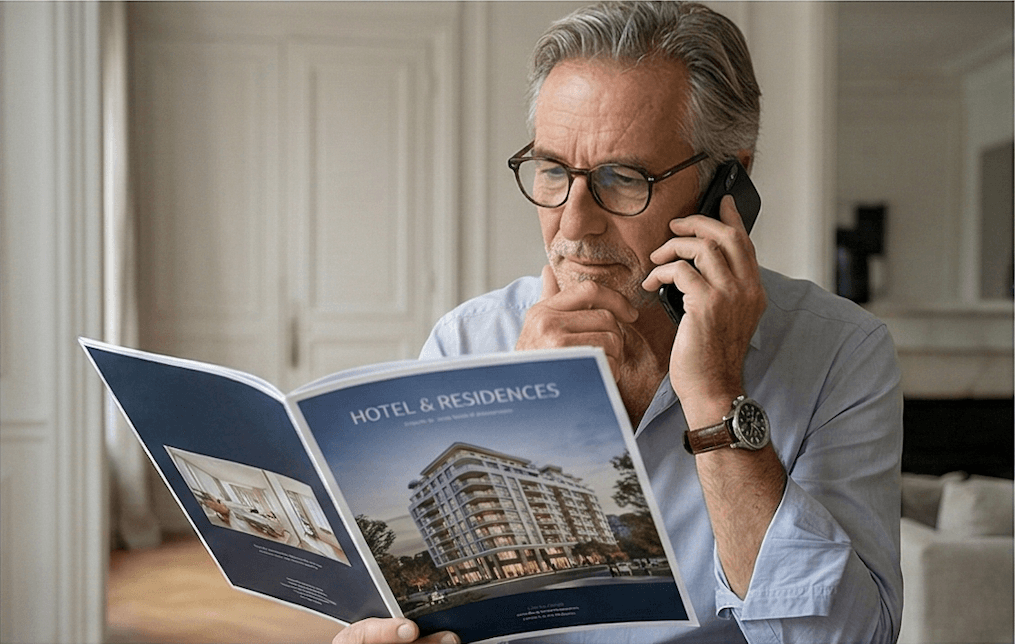
Strategic Comparison of Branded Residences vs. Non-Branded Luxury
When choosing between a brand-backed property and a traditional luxury condo, the value lies in the details. Here is how they stack up across six key factors:
Financial Investment
Purchase Price: Branded residences typically carry a 10–35% premium due to the associated prestige. Non-branded properties sell at the standard market rate.
Resale Liquidity: Because of global brand recognition, branded assets have high liquidity. Non-branded luxury relies more on local market recognition, leading to moderate liquidity.
Service & Lifestyle
Service Levels: Expect standardized, hotel-grade service with a brand. With non-branded luxury, service is variable and entirely dependent on the Homeowners Association (HOA).
Asset Quality: Brand standards act as a "quality insurance policy" for branded residences. In non-branded buildings, quality is dependent on the Condo Board’s oversight and budget.
Ownership Costs & Income
Operating Costs: The premium services in branded buildings result in higher monthly fees. Non-branded costs range from moderate to high depending on the amenities.
Rental Potential: Branded residences offer high rental potential, as they are often integrated with hotel booking systems. Non-branded units are typically limited to standard long-term rentals.
Which is right for you?
Choose Branded if:
You prioritize global prestige, turnkey hotel services, and higher resale certainty.
Choose Non-Branded if:
You want a luxury experience at market value and prefer more control over how the building is managed.
The 5-Question Test Before Buying
To determine if the premium is justified, investors should apply this framework before committing to a purchase:
1. Is the brand globally recognized in my specific buyer market?
A brand famous in the US may have little equity in Asia, affecting future resale liquidity.
2. Is the brand operationally involved or just licensing its name?
Operational management is safer than a pure licensing deal.
3. How do the service charges compare to the local luxury average?
Ensure the premium in fees correlates directly with a premium in achievable rental income or lifestyle value.
4. Is the location defensible?
Would I buy this property if the brand name were removed
5. What are the exit terms?
Understanding the duration of the management agreement and what happens upon expiry is crucial for long-term value preservation.

Growth Statistics and Lifestyle Evolution
The trajectory for branded residences remains robust. With over 900 schemes in the pipeline globally, the sector is expanding beyond traditional hotel brands into automotive, culinary, and wellness verticals. This diversification reflects a shift in UHNW priorities, moving from pure status symbols to assets that curate a specific lifestyle.
However, as supply increases, buyers will become more discerning. The market is moving toward a "flight to quality," where projects with genuine operational substance and prime locations will continue to command premiums, while superficial "logo-slap" projects may struggle.

Navigating the Landscape with Brand Atlas
Branded residences represent a sophisticated intersection of real estate, hospitality, and brand equity. When the components align with a strong location, operational integrity, and a globally relevant brand, they offer a compelling store of wealth and an unmatched living experience.
At Brand Atlas, we specialize in distinguishing signal from noise in this rapidly expanding sector. By combining proprietary data with strategic advisory, we help developers craft projects that endure and assist investors in identifying assets that deliver genuine long-term value. In a market defined by prestige, precision is the ultimate luxury.

Brand Atlas is the world’s leading branded residences platform and brand consultancy.
Offering the definitive collection of the finest luxury branded residences in the most coveted locations, we give buyers and brands a unique opportunity to connect in this highly desirable and fast-growing market.
We work exclusively with leading brands, recognising the loyal relationship they share with their international audiences - and the exciting extension of luxury lifestyles through exceptional properties.
Providing an unparalleled and unbiased global overview, we enable buyers to see where their favourite brands are developing residences and to enjoy exploring and experiencing these exceptional properties.
Brand Atlas showcases the world’s finest branded residences on one digital platform, allowing global UHNW buyers access to a definitive collection of properties through a prestige network and top-tier technology.
Related News
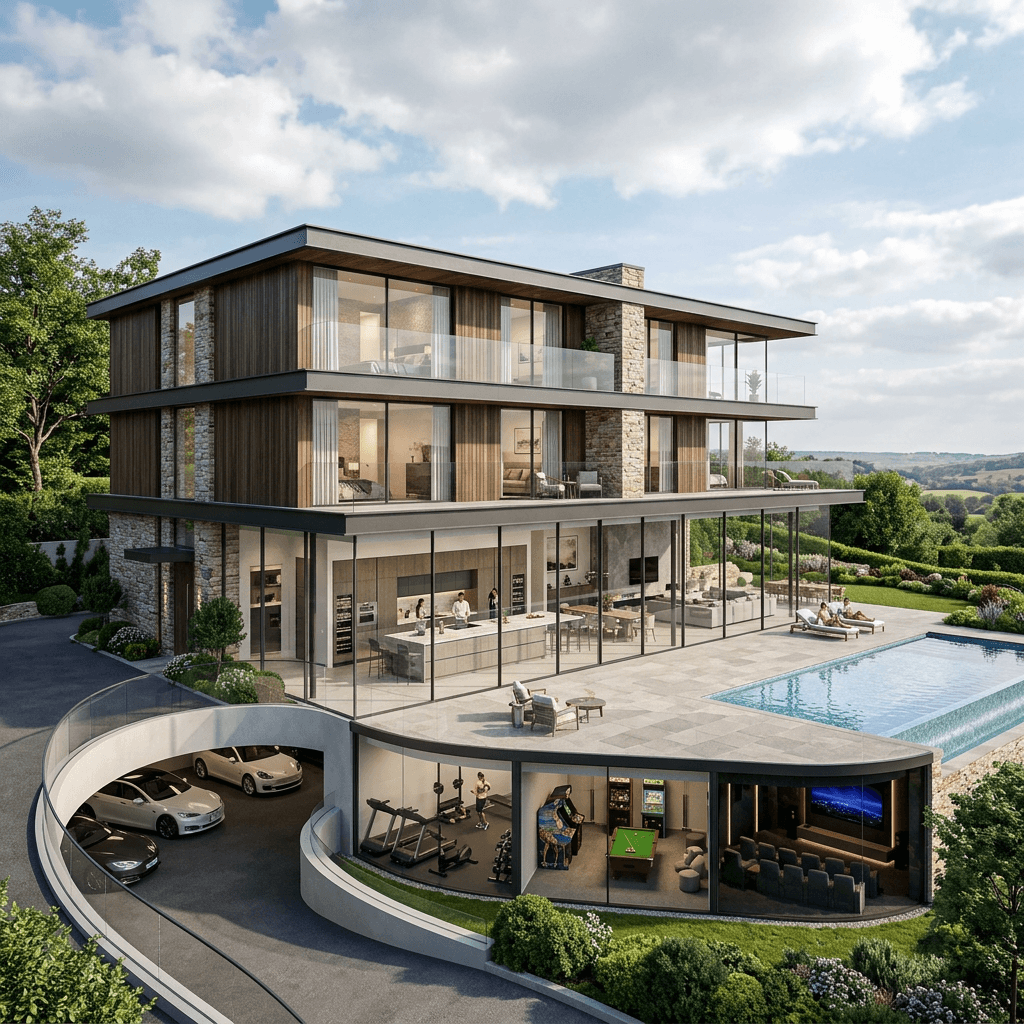
The 10 Most Exclusive Branded Residences in 2026
In 2026, exclusivity in branded residences is no longer defined by price alone. It is shaped by a sophisticated combination of brand equity, geographical rarity, design integrity, and the ability to deliver a consistently elevated living experience.
Premium vs. Performance: The Real Trade-Off Behind Branded and Non-Branded Luxury
Paying 30% more for a branded residence is either a sound strategic move or an expensive oversight. What determines the outcome is not the name on the building, but how well the investor understands the underlying mechanics of the asset before they commit.

The Branded Residence Premium: How Much Is Real, and How Much Is Marketing?
In Miami, Dubai, London, and Singapore, a brand affiliation regularly adds 40% to the price of a residential asset over comparable non-branded stock. In prime markets globally, that range typically sits between 20% and 35%. Those numbers are real. They are also only half the story.