

Pros and Cons of Buying a Branded Residence: Is It Worth the Premium?
Imagine waking up in a home where five-star hotel service is just a phone call away. A barista in the lobby prepares your morning coffee, your laundry is whisked away by housekeeping, and a concierge has already booked your dinner reservations. This isn't a holiday, it's everyday life in a branded residence.
Branded residences are booming. In the last decade alone, this sector has grown by over 160%, with prestige brands like Four Seasons, Ritz-Carlton, and even Porsche and Armani lending their names to luxury homes. But beyond the glitz and the famous logos, is buying one of these properties a smart financial move?
This guide breaks down exactly what you're paying for. We'll explore the tangible benefits, like investment potential and premium amenities, alongside the drawbacks, such as higher costs and restrictions.


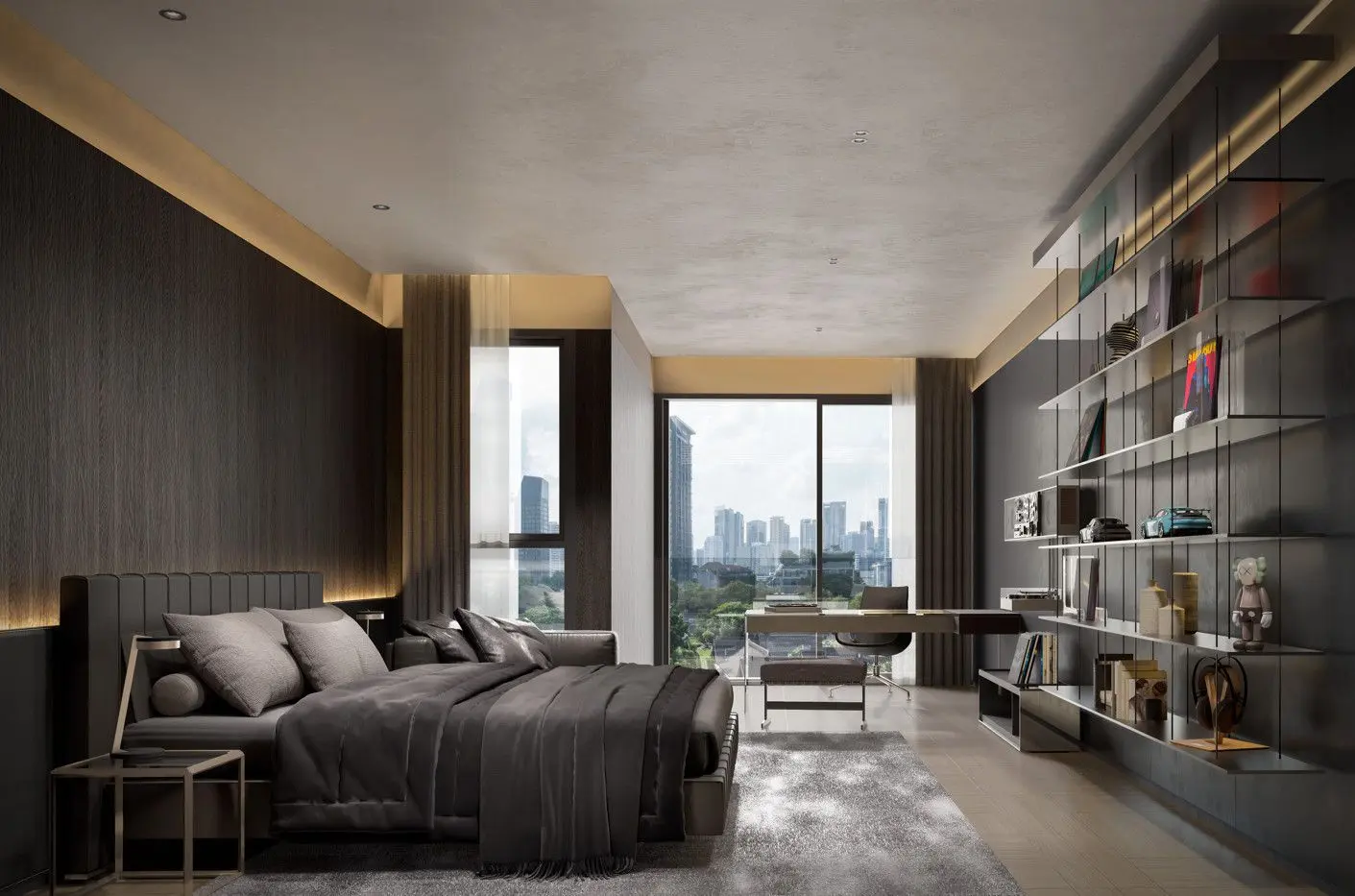
Pros and Cons of Buying a Branded Residence at a Glance
Before we dive deep, here is a quick summary of the trade-offs involved in purchasing a branded residence.
Pros of Buying a Branded Residence
Premium Services:
Access to 24/7 concierge, housekeeping, and wellness facilities.
Stronger Investment:
Higher rental yields (6-8%) and better resale value retention.
Turnkey Lifestyle:
"Lock-and-leave" convenience with professional management.
Quality Assurance:
Guaranteed standards in design, security, and maintenance.
Status & Trust:
Association with a global brand signals prestige and safety.

Cons of Buying a Branded Residence
Higher Costs:
Purchase premiums of 25-35% plus high annual service fees.
Limited Control:
Strict design rules and restrictions on renovations.
Dependency on Brand:
Property value is tied to the brand’s reputation.
Rental Restrictions:
Mandatory participation in rental pools often applies.
Illiquidity Risks:
Premium pricing can narrow the pool of potential buyers.

Premium Amenities and Services
The biggest selling point of a branded residence is the lifestyle. You aren't just buying an apartment; you are buying into a comprehensive service ecosystem that mirrors a luxury hotel experience.
Hotel-Style Living at Home
The defining feature here is service integration. Residents typically have access to a 24/7 concierge who acts more like a lifestyle manager than a doorman. Need a private chef for a dinner party? Done. Do you need your fridge stocked before you arrive from the airport? Handled.
For example, the Residences at Dusit Central Park in Bangkok offer everything from floral arrangements to elderly companion care. It’s a level of service that traditional luxury condos rarely match.
While the rewards are high, due diligence is critical.

World-Class Wellness and Dining
In-house amenities often rival top-tier resorts. We are seeing a massive shift towards wellness, with properties featuring medical-grade spas, cryotherapy chambers, and meditation gardens. It’s not just a gym; it’s a longevity clinic in your building.
Dining is another perk. Many developments allow you to order room service from the attached hotel’s Michelin-starred restaurants or hire a chef to cook in your private "sky kitchen."
Exclusive Social Access
Owning a branded residence often grants you membership to a global club. Whether it's a VIP lounge, a private wine cellar curated by sommeliers, or access to the brand's properties worldwide, these perks create a curated social circle. It connects you with like-minded neighbors who value the same level of quality and privacy.

Investment Potential
While the lifestyle is undeniable, the financial case for branded residences is equally compelling. Data suggests that these properties often outperform non-branded luxury real estate in three key areas: capital appreciation, rental yields, and market resilience.
Higher Capital Appreciation
Historically, branded residences appreciate faster than their non-branded counterparts. Research shows that brands like Four Seasons have seen resale gains of 20-25% globally. In high-demand markets like Phuket, branded residences have demonstrated annual appreciation of 12-18%, compared to just 5-8% for standard luxury properties.
The math works in your favor over the long term. Even though you pay more upfront, the differential appreciation can result in significantly higher profit margins over a 10-year holding period.
Superior Rental Yields
If you plan to rent out your property, the brand name works hard for you. Branded residences in hubs like Dubai and Miami are generating yields of 6-8%, compared to the 4-5% typical of standard luxury units.
Why the difference? Trust. A renter booking a stay at a Banyan Tree residence knows exactly what quality to expect, allowing owners to command higher nightly rates. Plus, these properties often benefit from the brand’s global reservation system, keeping occupancy rates high without you having to lift a finger.
Resilience in Volatile Markets
Quality is a safe harbor during economic storms. During the COVID-19 pandemic, branded residences lost significantly less value (approx. 5%) compared to non-branded luxury properties (approx. 10%). Investors view these assets as "safer" bets because superior management and maintenance help preserve their value even when the market dips.
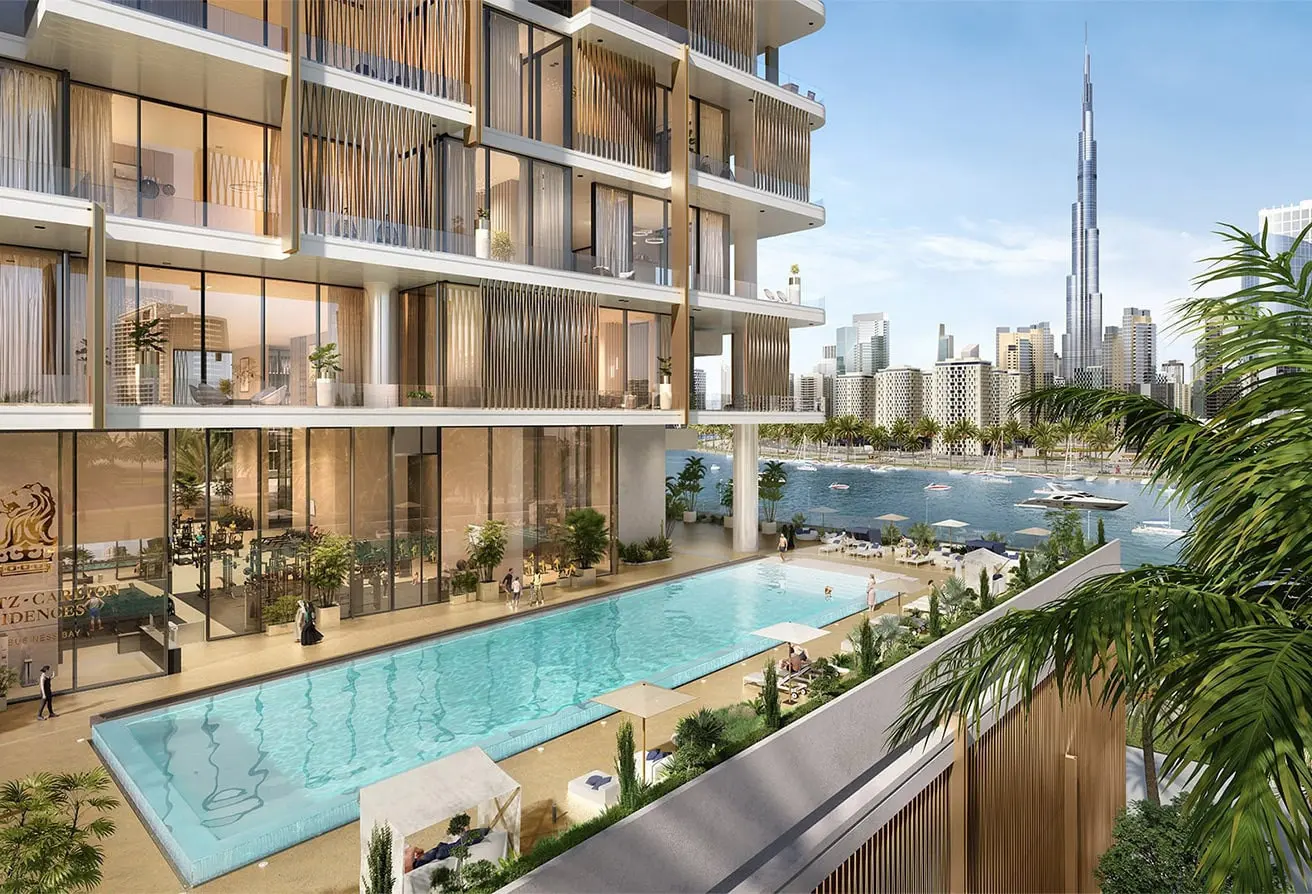
Brand Reputation and Standards
When you buy a branded residence, you are paying for "assurance." This is especially valuable in international markets where you might not be familiar with local construction standards or property management laws.
Consistency You Can Trust
A Ritz-Carlton or St. Regis logo is a guarantee. It ensures that the finishes, soundproofing, security, and service will meet a strict global benchmark. You don't have to worry if the building management will cut corners on maintenance in five years; the brand's reputation depends on them not doing so.
For buyers purchasing off-plan (before construction is finished), this reduces risk significantly. You know the final product will match the brochure because the brand has technical teams monitoring the developer every step of the way.
Hassle-Free Ownership
For international investors, the "lock-and-leave" aspect is crucial. Professional management teams handle everything—from finding tenants to fixing leaky faucets. This turns a complex real estate asset into a passive income stream. As one developer noted, it becomes a "revenue machine with minimal hassle."
Faster Resale Velocity
Brands act as a "trust mark" for future buyers. If you need to sell, the brand name validates the asking price. In established markets like London's Mayfair, branded residences command massive premiums per square foot because buyers are willing to pay for that guaranteed quality.
Higher Costs
Quality comes at a price. The most obvious drawback of branded residences is the premium you pay to get in the door—and the costs to stay there.
The Purchase Premium
Expect to pay 25-35% more than a comparable non-branded luxury property. In emerging markets or prime locations, this premium can reach as high as 50% or even 100%. You are paying for the brand equity, the amenities, and the professional management infrastructure.
Steep Ongoing Fees
The costs don't stop at the purchase price. Service fees (HOA fees) are significantly higher to cover the staff, the concierge, and the upkeep of those five-star amenities. You might pay $15,000 to $45,000 annually for a mid-sized unit.
Furthermore, these costs can escalate. As the building ages and amenities require updates (like fixing that high-tech wellness center), special assessments can be levied on owners. It is vital to look at the total cost of ownership, not just the sticker price.
Hidden Expenses
Be aware of "hidden" costs like mandatory furniture packages. To maintain the brand's aesthetic, you may be required to purchase specific furniture collections at inflated prices. If you participate in a rental pool, management fees can take 25-50% of your rental revenue.
Limited Customization
Branded residences are built on consistency. While this ensures quality, it also means you surrender a lot of control over your own home.
Strict Design Guidelines
If you love extensive DIY renovations, this isn't for you. You generally cannot knock down walls, change the flooring, or even paint the exterior without strict approval. The brand needs to ensure the building looks uniform and prestigious, which means your personal taste takes a backseat to the brand guidelines.
Bureaucracy in Renovations
Even minor changes often require a formal approval process that can be slow and bureaucratic. This ensures standards are maintained, but it can be frustrating if you want to quickly update your living space to suit a new need, like a nursery or home office.
Rental Restrictions
Control over how you use the property is also limited. Many developments require you to enter their managed rental program if you want to lease your unit. This means you can't just rent it to a friend or list it on Airbnb yourself. You are bound by the operator's rules, blackout dates, and revenue-split agreements.
Dependence on Brand Reputation
Your asset’s value is inextricably linked to the brand on the door. This creates a unique set of risks that traditional real estate doesn't face.
The Risk of "De-Flagging"
What happens if the brand leaves? It's rare, but it happens. If a developer and a hotel operator have a dispute, or if the brand decides to exit a market, the property could be "de-flagged." This means losing the name, the services, and potentially a large chunk of the property's value overnight.
Service Erosion
You are paying a premium for promised service levels. If the management company underperforms, if the concierge becomes slow, or if the maintenance slips, the value of your investment degrades. You are relying entirely on the operator to maintain the standards that justify your high service fees.
Brand Relevance
Trends change. A brand that is "hot" today might not be relevant in 20 years. While heritage brands like Four Seasons have stood the test of time, newer "lifestyle" or fashion brands might face more volatility. If the brand loses its cachet, your property's resale appeal could suffer.
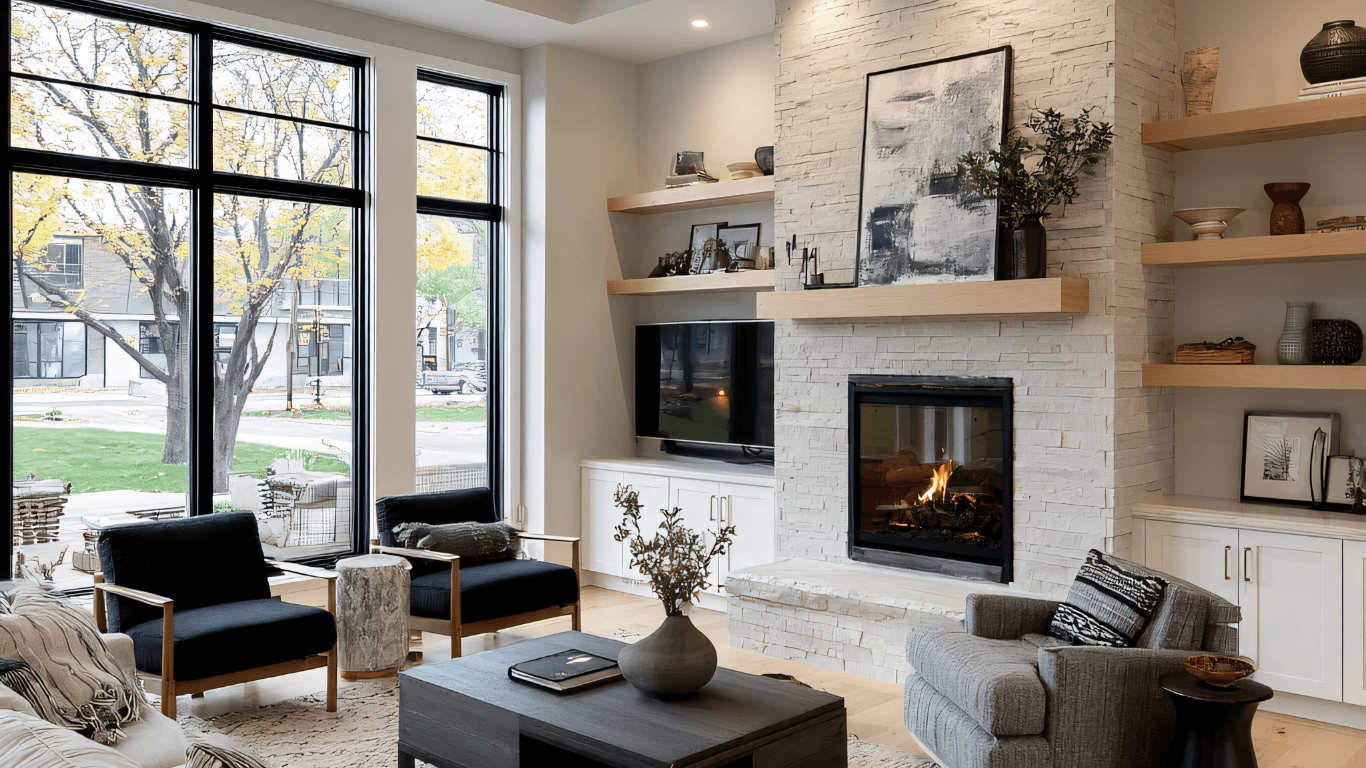
Is a Branded Residence Right for You?
Buying a branded residence is a trade-off: you pay a premium in price and control in exchange for unmatched convenience, service, and investment security.
This option is likely a great fit if:
You value time and convenience.
You want a turnkey home where every detail is managed for you.
You are an international investor.
You need a "safe" asset in a foreign market with professional management on the ground.
You prioritize income.
You want higher rental yields and occupancy rates driven by a powerful global brand.
You want quality assurance.
You are willing to pay more to guarantee high standards of construction and service.
It might not be for you if:
You are a DIY enthusiast.
You want full control to renovate and personalize your space.
You are budget-sensitive.
The high purchase premiums and escalating service fees might eat into your returns.
You want total flexibility.
You don't want to be tied to rental pools or strict usage rules.
Ultimately, the sector's explosive growth suggests that for many wealthy buyers, the pros far outweigh the cons. The peace of mind that comes with a trusted brand is, for many, a luxury worth paying for.
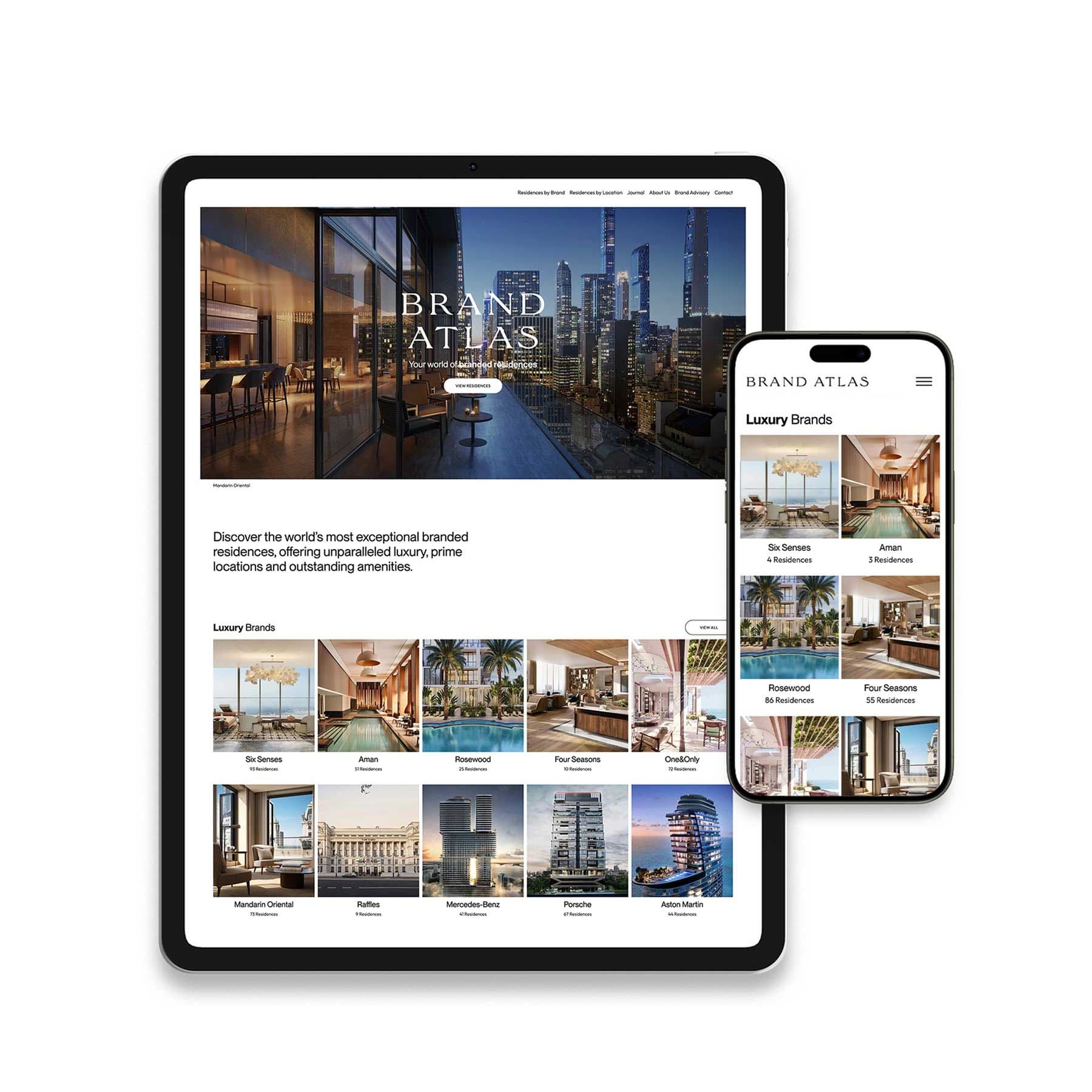
Ready to explore the world of branded real estate? Discover a curated collection of the world's most exceptional properties at Brand Atlas.
Brand Atlas is the world’s leading branded residences platform and brand consultancy.
Offering the definitive collection of the finest luxury branded residences in the most coveted locations, we give buyers and brands a unique opportunity to connect in this highly desirable and fast-growing market.
We work exclusively with leading brands, recognising the loyal relationship they share with their international audiences - and the exciting extension of luxury lifestyles through exceptional properties.
Providing an unparalleled and unbiased global overview, we enable buyers to see where their favourite brands are developing residences and to enjoy exploring and experiencing these exceptional properties.
Brand Atlas showcases the world’s finest branded residences on one digital platform, allowing global UHNW buyers access to a definitive collection of properties through a prestige network and top-tier technology.
Related News
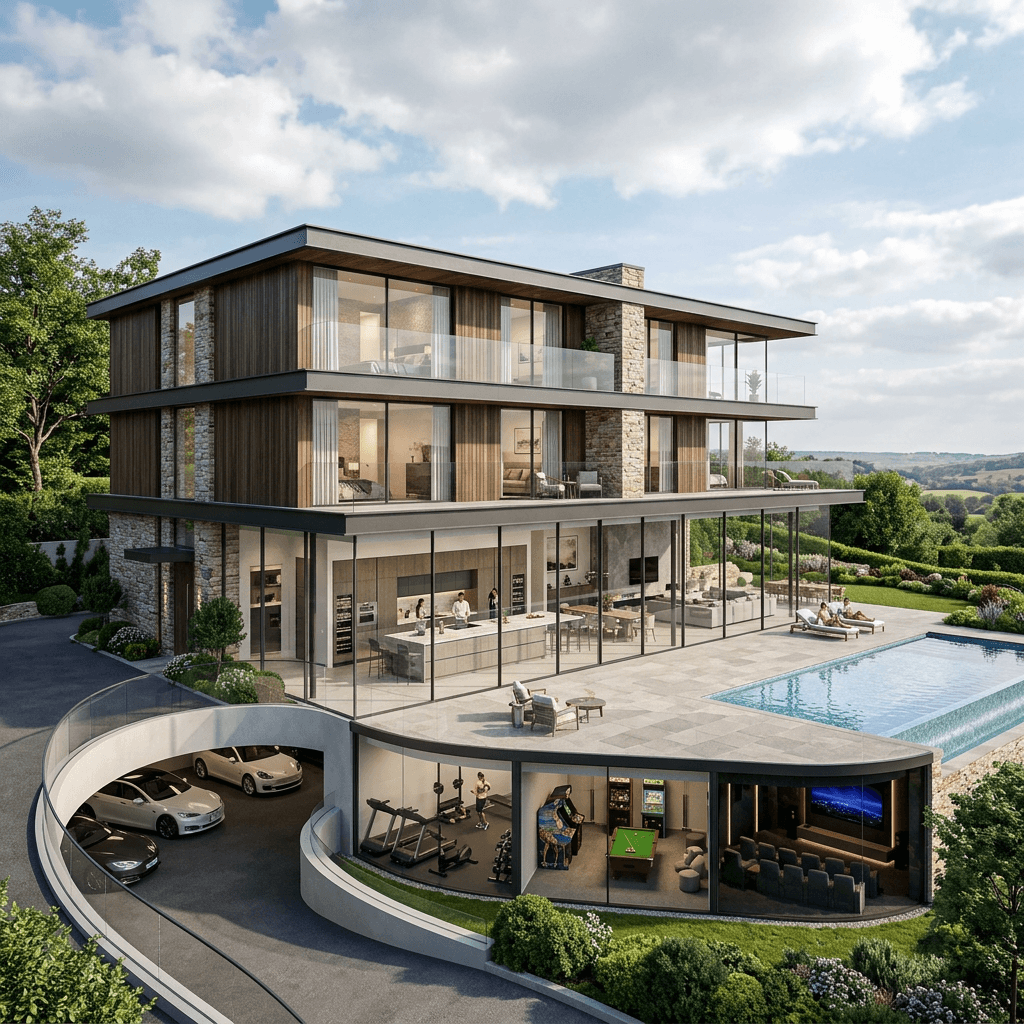
The 10 Most Exclusive Branded Residences in 2026
In 2026, exclusivity in branded residences is no longer defined by price alone. It is shaped by a sophisticated combination of brand equity, geographical rarity, design integrity, and the ability to deliver a consistently elevated living experience.
Premium vs. Performance: The Real Trade-Off Behind Branded and Non-Branded Luxury
Paying 30% more for a branded residence is either a sound strategic move or an expensive oversight. What determines the outcome is not the name on the building, but how well the investor understands the underlying mechanics of the asset before they commit.

The Branded Residence Premium: How Much Is Real, and How Much Is Marketing?
In Miami, Dubai, London, and Singapore, a brand affiliation regularly adds 40% to the price of a residential asset over comparable non-branded stock. In prime markets globally, that range typically sits between 20% and 35%. Those numbers are real. They are also only half the story.