

Non-hotel brands Enter Real Estate: From Porsche to Bulgari, Fashion Builds
For decades, the pinnacle of luxury living was synonymous with five-star hospitality. Buying a high-end property usually meant purchasing a condo attached to a hotel chain to access their concierge service and amenities. However, the definition of luxury real estate is undergoing a radical shift as high-net-worth individuals seek pure brand immersion.
Today, lifestyle brands from the worlds of fashion and automotive are aggressively entering the built environment. From the minimalist elegance of Armani to the engineering prowess of Porsche, these companies are transforming from product manufacturers into lifestyle curators. This article explores why non-hotel brands are becoming the world's most coveted landlords and what this shift means for investors.


The Explosive Growth of the Branded Residence Sector
While hotel brands still dominate the market, non-hotel brands are rapidly gaining ground. According to recent data from Savills, non-hotel brands now account for 21% of the total market. This sector is expected to grow significantly, with 790 new schemes projected to be added to the global pipeline by 2031.
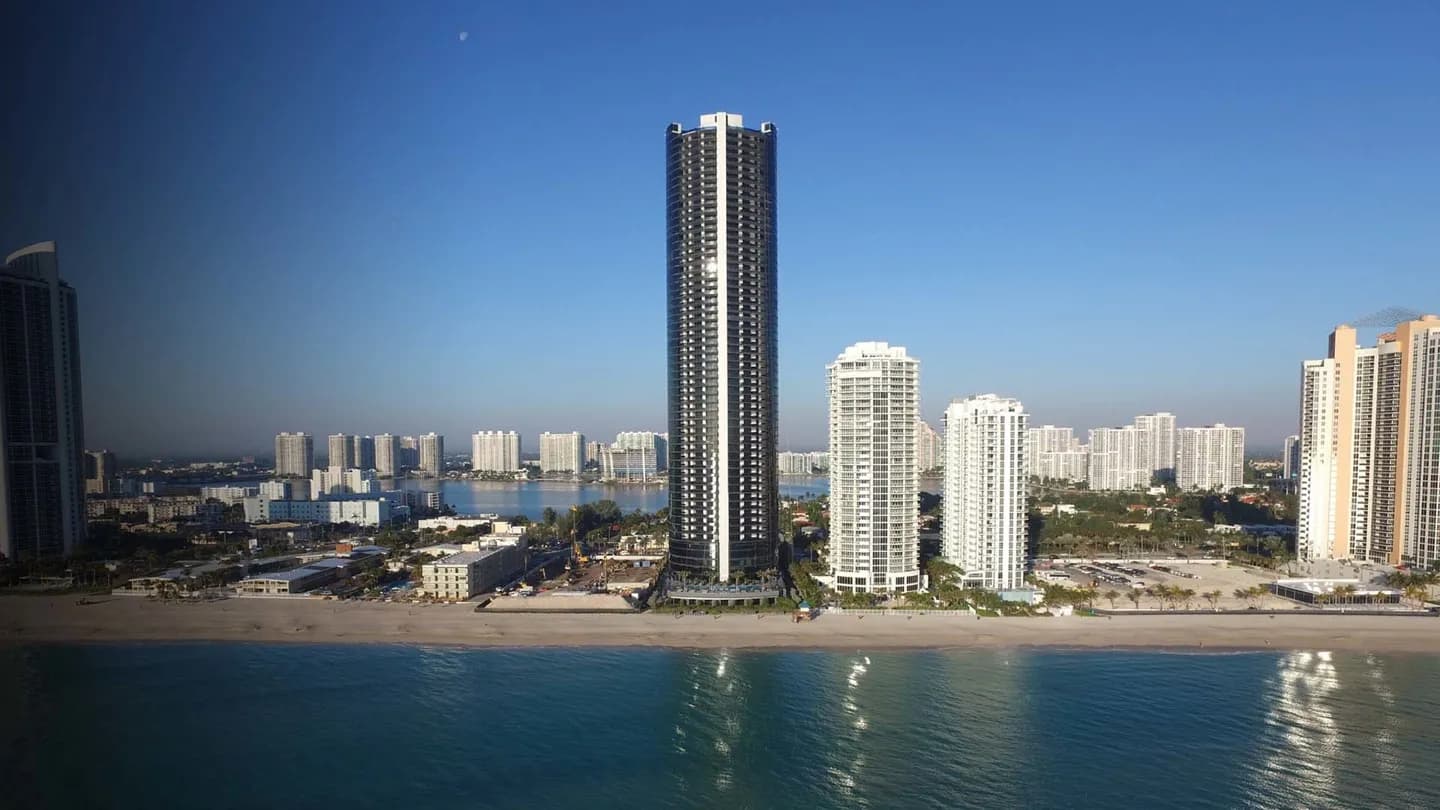
This expansion is not limited to a single region. While Dubai leads the world with nearly 140 projects, other global hubs like Miami, Bangkok, and London are seeing a surge in development. This growth signals that the branded residence is no longer just a hospitality product. It has evolved into a diverse asset class that accommodates fashion houses, car manufacturers, and even jewelry brands.
Why Fashion and Auto Brands Are Building Homes
You might wonder why a company known for supercars or haute couture would want to manage an apartment complex. The answer lies in the evolution of luxury from a product to a complete lifestyle. For brands, real estate offers a powerful way to deepen customer loyalty. It is no longer just about driving the car or wearing the watch. It is about inhabiting the brand's ecosystem 24/7.
For the buyer, these homes offer a distinct identity. Living in a Diesel-branded loft or a Bulgari tower signals a specific aesthetic and set of values. This might range from industrial cool to jewel-like opulence. A traditional hotel brand might not convey this specific level of personality. This strategy allows brands to diversify revenue streams with relatively low risk while creating massive global visibility.

Living in Couture: The Fashion Houses
Fashion brands were among the first to recognize the potential of branded residences. They pioneered the trend by translating the distinct aesthetics seen on their runways into tangible realities.
Armani/Casa
Giorgio Armani has successfully translated his "less is more" philosophy into luxury real estate. A prime example is The Residences by Armani/Casa in Sunny Isles Beach, Miami. Developed with architect César Pelli, this project is a physical manifestation of the brand's refined style. The market demand was high, showing that buyers are eager to invest in curated, serene minimalism.
Dolce & Gabbana
In contrast to minimalism, Dolce & Gabbana is capturing attention with large-scale projects that embrace opulence. Their 888 Brickell tower in Miami is set to be a 90-story supertall building. It will feature 259 residences that reflect the brand's maximalist aesthetic. Owners can expect Italian marble, custom kitchens, and bold animal-print velvets. This project proves that there is a strong appetite for living spaces that are as expressive as high fashion.
Engineering Luxury: The Automotive Giants
Automotive-branded residences are currently one of the fastest-growing sub-sectors. These projects appeal to buyers who prioritize technology, precision, and privacy.
Porsche Design
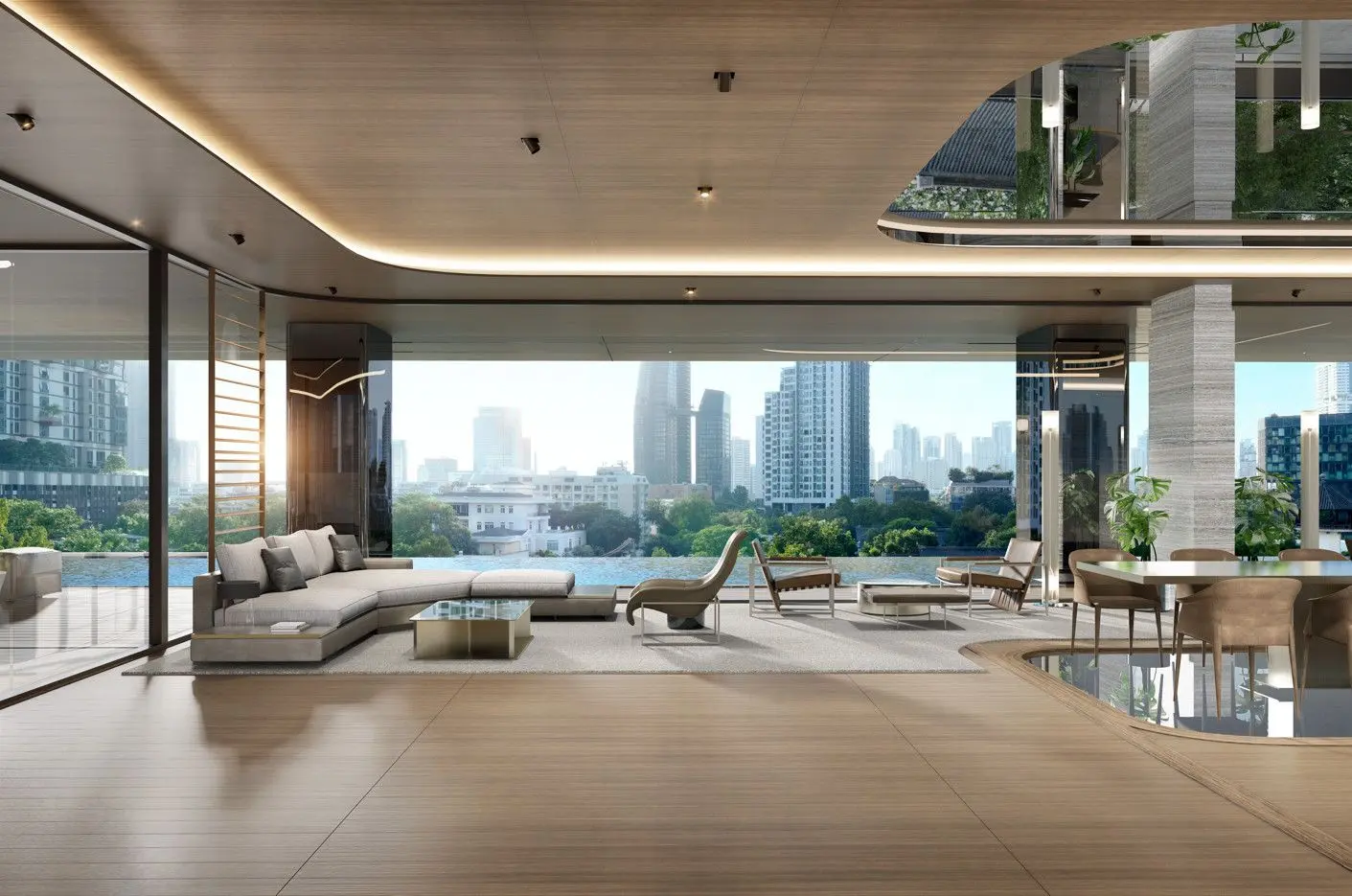
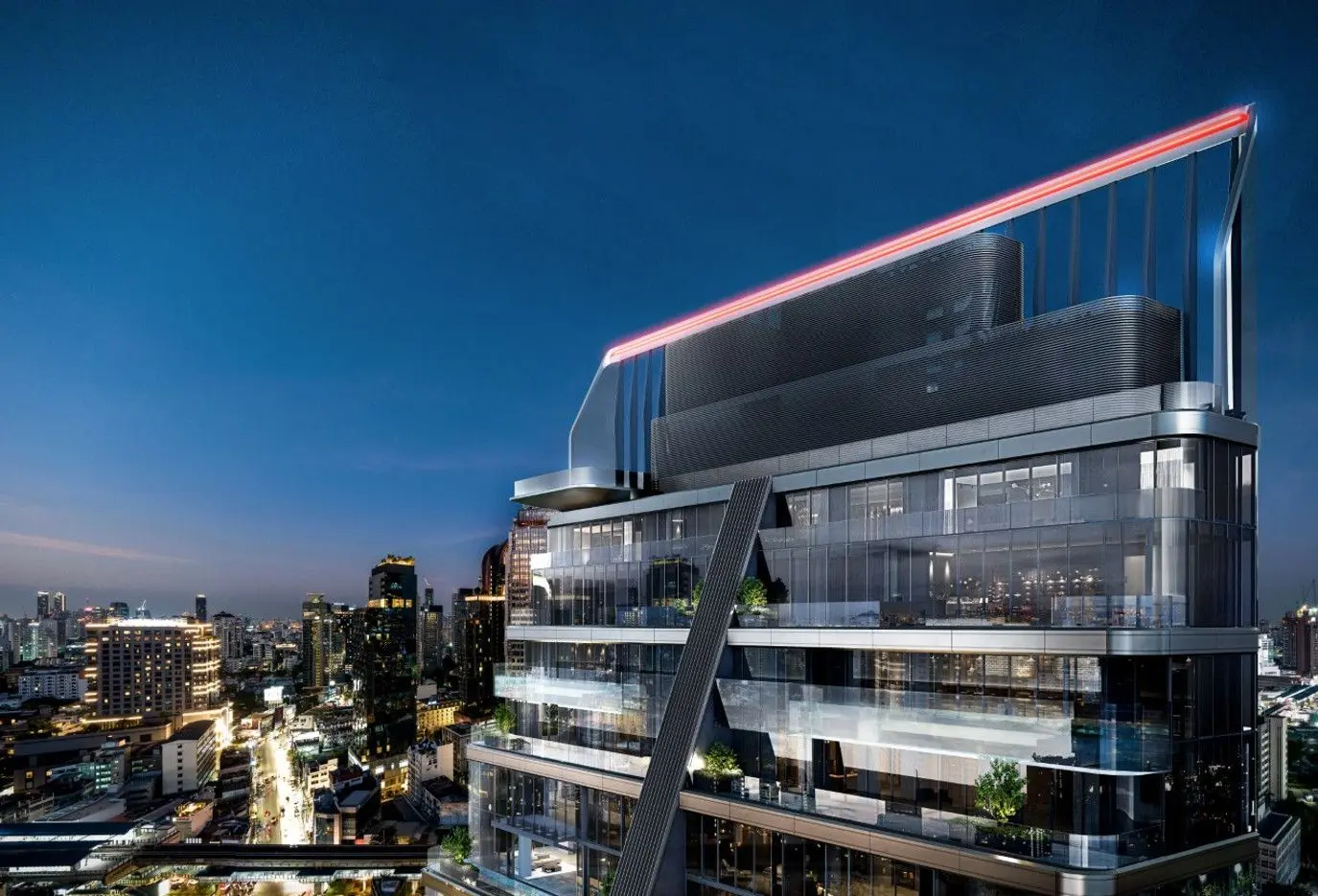
Porsche Design has set a high bar for functional luxury with towers in Miami and Stuttgart. They have now expanded to Asia with the Porsche Design Tower Bangkok. This project features 22 exclusive "Sky Villas" priced between $15 million and $40 million. True to the brand's DNA, these residences often feature "Passion Spaces." These are high-tech private garages that allow owners to showcase their vehicle collections within their living space.
Bentley Residences
In Miami's Sunny Isles Beach, the Bentley Residences offer a feature known as the "Dezervator." This is a patented car elevator system that transports residents and their vehicles directly to their apartments. This feature ensures total privacy and convenience. It gives car enthusiasts the ability to keep their prized vehicles visible from their living room, even in a high-rise setting.
The Investment Value of a Branded Residence
While the emotional pull of these brands is strong, the investment case is also compelling. Savills reports that a branded residence commands an average global premium of 33% over comparable non-branded properties.
In emerging luxury markets, this gap widens significantly. In cities where buyers may be concerned about construction quality or property management standards, a globally recognized brand acts as a guarantor of quality. Consequently, premiums in these markets can exceed 45%. Furthermore, these properties often exhibit stronger resilience during market downturns due to the "flight to quality" effect.
Connecting Brands and Buyers through Brand Atlas
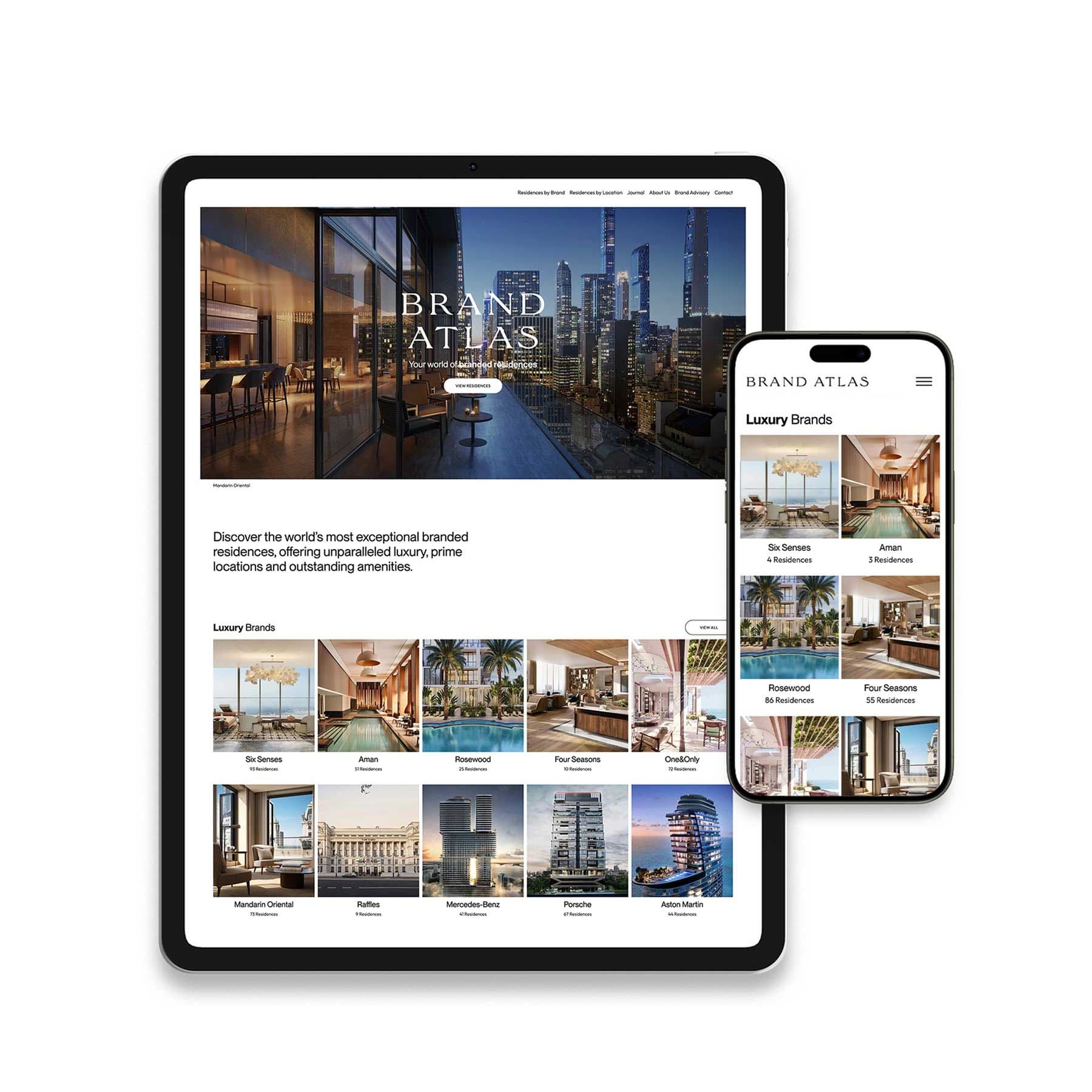
As the sector expands with new entrants, navigating the options can be overwhelming for investors and developers. This is where Brand Atlas becomes essential. We serve as the global platform connecting brands, developers, and ultra-high-net-worth buyers to the world of branded residences.
For buyers, we offer a definitive collection of the world's finest projects. For developers and brands, Brand Atlas Advisory provides strategic guidance. We assist with everything from feasibility studies to brand alignment. Our goal is to ensure that a project delivers a genuine brand experience rather than just carrying a logo.
Find Your Place in the New World of Luxury
The rise of non-hotel branded residences represents a maturation of the luxury real estate market. It acknowledges that luxury is personal. Whether it is the quiet sophistication of Armani or the high-octane energy of Porsche, there is now a home that matches every persona.
We invite you to explore the Brand Atlas platform to discover the world’s most exceptional branded residences. If you are a developer or brand looking to enter this space, contact us to showcase your brand within our expertly curated environment and connect directly with discerning buyers.
Brand Atlas is the world’s leading branded residences platform and brand consultancy.
Offering the definitive collection of the finest luxury branded residences in the most coveted locations, we give buyers and brands a unique opportunity to connect in this highly desirable and fast-growing market.
We work exclusively with leading brands, recognising the loyal relationship they share with their international audiences - and the exciting extension of luxury lifestyles through exceptional properties.
Providing an unparalleled and unbiased global overview, we enable buyers to see where their favourite brands are developing residences and to enjoy exploring and experiencing these exceptional properties.
Brand Atlas showcases the world’s finest branded residences on one digital platform, allowing global UHNW buyers access to a definitive collection of properties through a prestige network and top-tier technology.
Related News
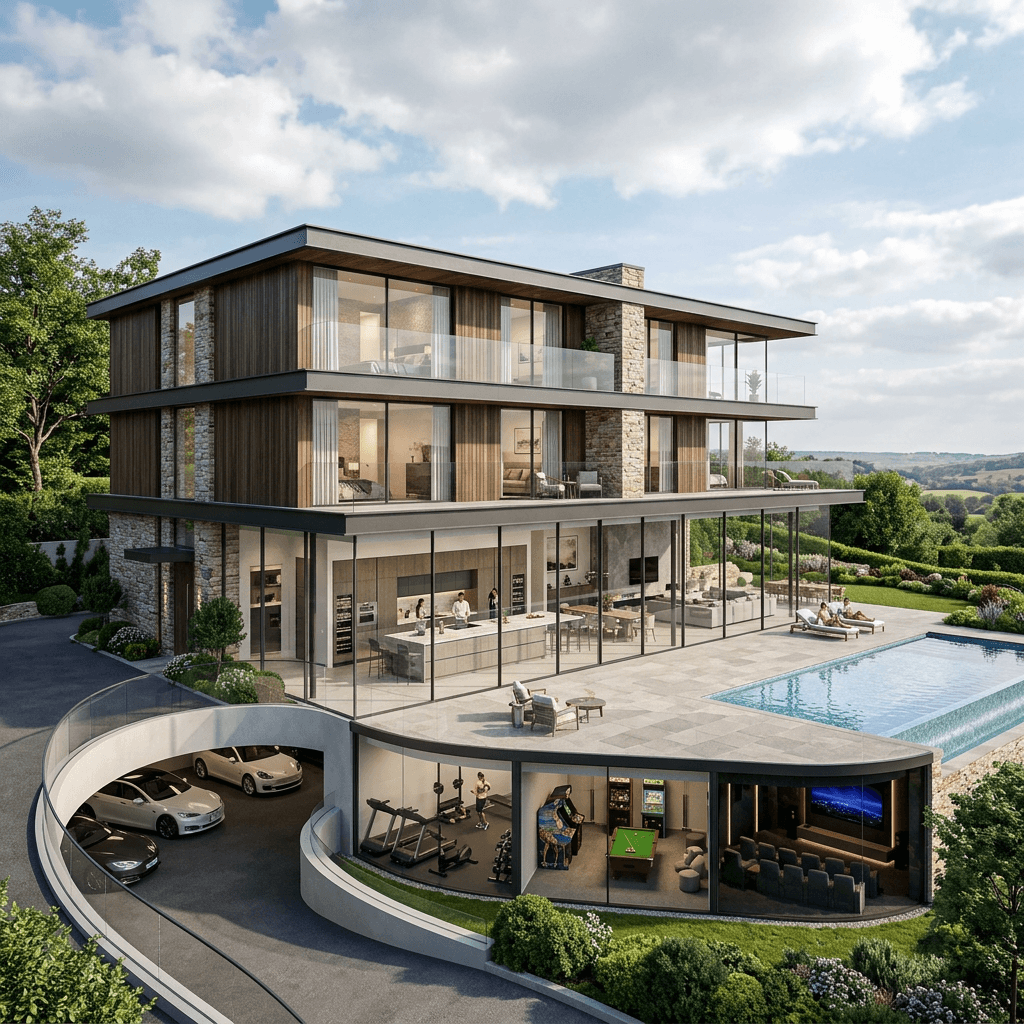
The 10 Most Exclusive Branded Residences in 2026
In 2026, exclusivity in branded residences is no longer defined by price alone. It is shaped by a sophisticated combination of brand equity, geographical rarity, design integrity, and the ability to deliver a consistently elevated living experience.
Premium vs. Performance: The Real Trade-Off Behind Branded and Non-Branded Luxury
Paying 30% more for a branded residence is either a sound strategic move or an expensive oversight. What determines the outcome is not the name on the building, but how well the investor understands the underlying mechanics of the asset before they commit.
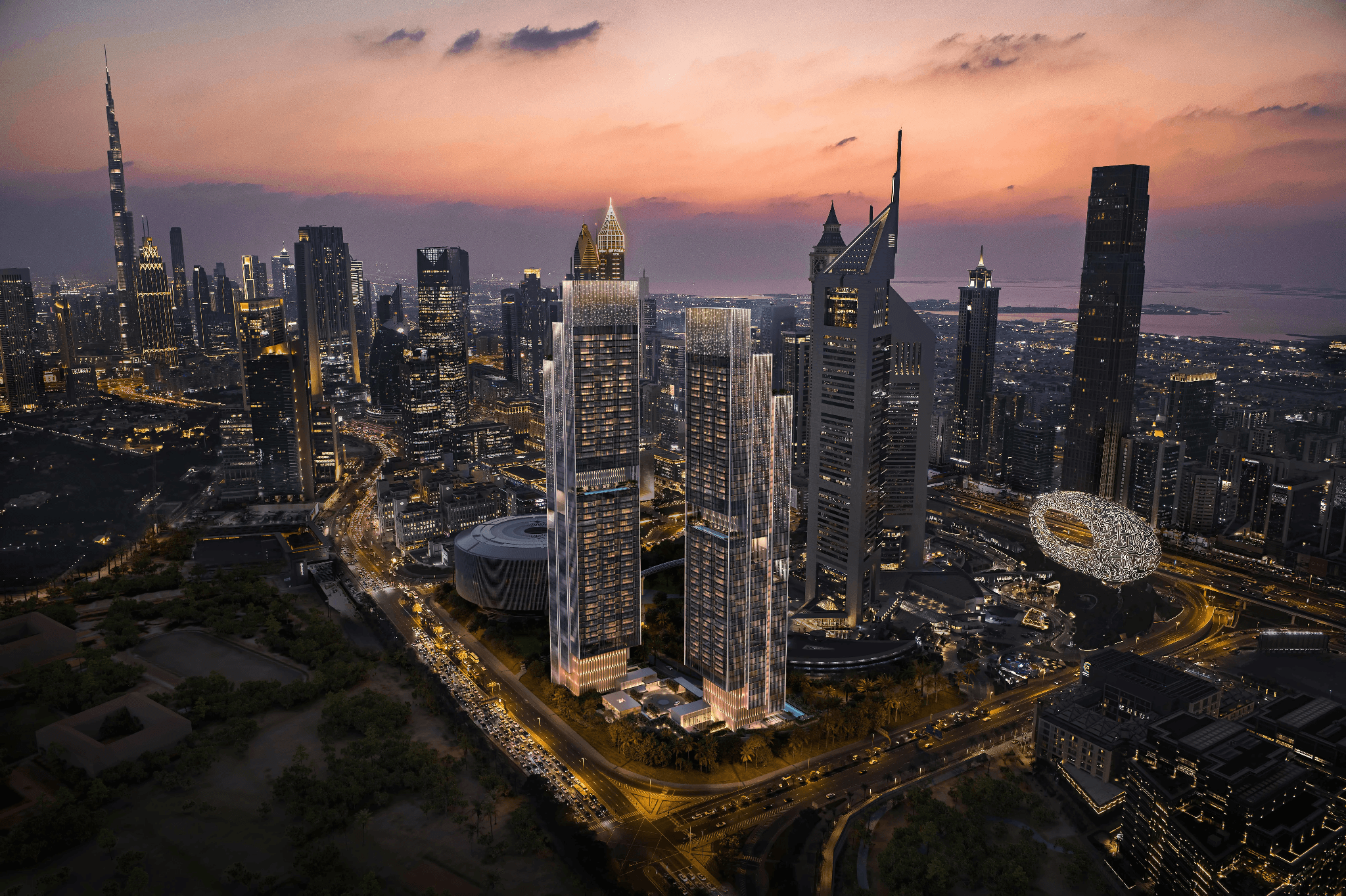
The Branded Residence Premium: How Much Is Real, and How Much Is Marketing?
In Miami, Dubai, London, and Singapore, a brand affiliation regularly adds 40% to the price of a residential asset over comparable non-branded stock. In prime markets globally, that range typically sits between 20% and 35%. Those numbers are real. They are also only half the story.