

How to Know If a Branded Residence Is Worth the Premium
You are looking at two luxury condominiums on the same city block. They have similar square footage, nice views, and modern finishes. Yet, one lists for 30% more than the other. The difference? One carries a famous name like Four Seasons, Ritz-Carlton, or Porsche Design above the door.
For many buyers, this price gap raises a difficult question. Is that logo on the building just a marketing gimmick, or does it represent real, tangible value?


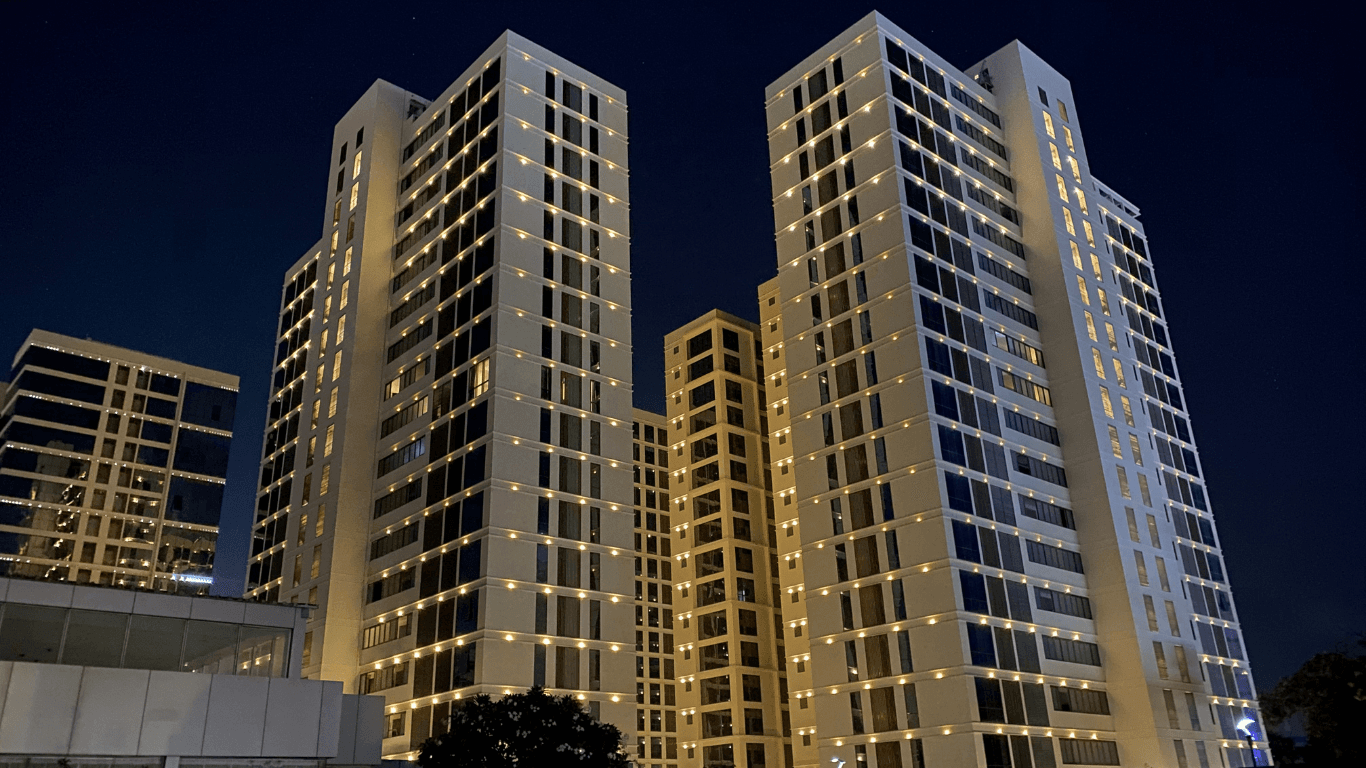
The market for these homes is expanding rapidly. From the skylines of Dubai to the beaches of Phuket, developers are pairing up with luxury hospitality and lifestyle brands to create branded residences. They promise five-star service, higher security, and a prestigious lifestyle. However, they also come with a hefty price tag.
If you are considering this type of investment, you need to look past the glossy brochures. You need to understand exactly what you are paying for. This guide will help you do the math and determine how to know if a branded residence is worth the premium for your specific financial goals.
What Exactly Is a Branded Residence?
Before we analyze the value, we must define the product. A branded residence is a partnership between a property developer and a well-known brand. The brand lends its name, design standards, and often its management services to the residential project.
Generally, these fall into two categories:
Hospitality Brands: These are associated with hotel chains like Mandarin Oriental, St. Regis, or Six Senses. They usually offer a "hotel at home" experience. You own the unit, but you get access to the hotel’s housekeeping, concierge, and amenities.
Lifestyle Brands: These are partnerships with non-hotel luxury names, such as automotive brands (Aston Martin, Bentley) or fashion houses (Armani, Versace). Here, the focus is often on unique interior design, architecture, and exclusive brand status.
The key distinction is usually management. A hotel brand typically manages the building itself. A lifestyle brand usually handles the design but hires a third-party company to manage the day-to-day operations.
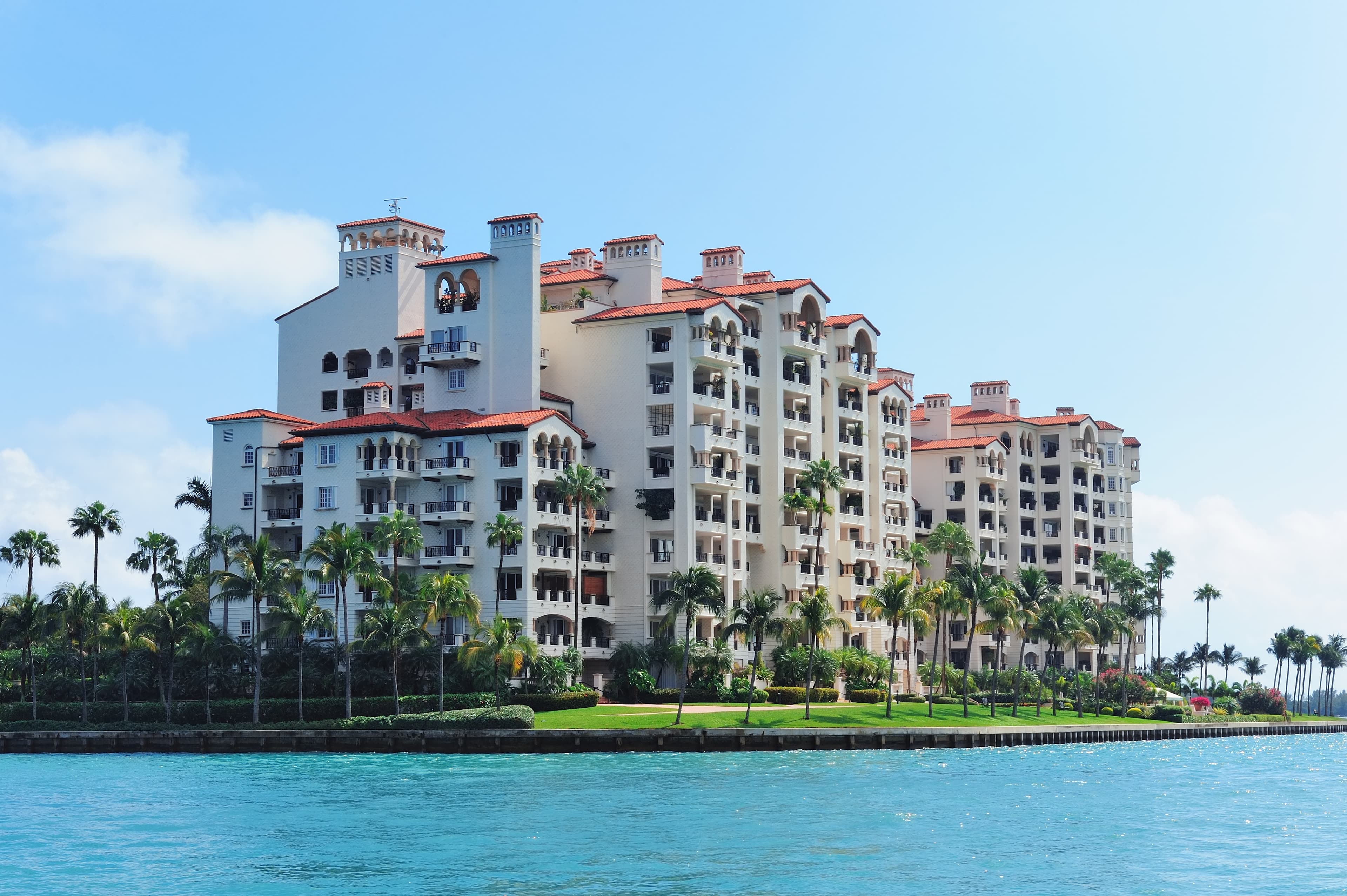
The Case for the Premium Branded Residence
Data suggests that branded residences typically command a price premium of 20% to 35% over comparable non-branded properties. In some ultra-luxury markets, this can jump even higher.
So, where does that extra money go?
1. Service and Convenience
This is the primary selling point. In a standard luxury condo, you might have a doorman. In a top-tier branded residence, you have a fully trained staff operating to five-star standards.
Concierge
They can book flights, secure dinner reservations, or organize events.
Housekeeping
You can schedule room cleaning just like you would in a hotel.
Maintenance
If something breaks, there is an engineering team on-site to fix it.
2. Trust and Quality Assurance
When you buy a pre-construction unit from an unknown developer, there is a risk regarding the final quality. When a global brand attaches its name to a project, it is putting their reputation on the line.
Brands impose strict standards on construction materials, soundproofing, fire safety, and finishes. They often require specific ceiling heights, noise control measures, and high-end appliances. For international buyers, this brand association provides a "safety net" of quality assurance.
3. Investment Potential and Yields
Many investors find that branded residences hold their value better during market downturns. The brand acts as a differentiator.
Rental Yields
If you plan to rent out your unit, tenants are often willing to pay more for the security and services of a known brand. In markets like Thailand, rental yields for branded units can be significantly higher than standard condos.
Resale Value
A well-managed building tends to age better. Because the brand protects the asset to maintain its image, the common areas and facilities usually remain in pristine condition, supporting higher resale prices years down the line.
You can explore a wide variety of these investment opportunities across the globe by viewing our curated collection of developments.

How to Evaluate the Value of a Branded Residence
Not all branded residences are created equal. To decide if a specific unit is worth the extra cost, you should evaluate it against this checklist.
Location Fundamentals
A famous logo cannot fix a bad location. Real estate rule number one still applies.
How to test: If you stripped the brand name off the building, would the location still be desirable? Is it close to transport, beaches, or business districts? If the location is mediocre, the brand premium is likely unjustified.
Brand Strength and Relevance
Is the brand a household name with a century of history, or is it a trendy newcomer?
How to test: Look for brands with a track record in residential management. A hotel brand that has managed residences for decades (like Four Seasons) generally offers a safer bet than a fashion brand entering real estate for the first time. The operational partner matters more than the logo on the wall.
The Management Structure
This is the most critical factor for long-term value.
How to test: Ask who is hiring the staff. Is it the brand itself, or a third-party white-label company? If you are paying a premium for "Ritz-Carlton" living, you want Ritz-Carlton staff, not a generic management company wearing branded uniforms.
Design and Specification
The premium must be visible in the physical product, not just the marketing.
How to test: Compare the floor plans and finishes to non-branded luxury buildings nearby. Are the ceilings higher? Is the kitchen superior? If the physical product is identical to a cheaper neighbor, you are overpaying for the name.
Financial Metrics
You need to run the numbers cold, without emotion.
How to test: Calculate the price per square foot/meter and compare it to the top 3 non-branded competitors in the area. If the gap is 50% or more, be very cautious. If the gap is 15-25% and the services are superior, the value proposition is stronger.

Risks and Drawbacks to Watch For Branded Residence
To make a balanced decision, you must also look at the potential downsides.
Higher Holding Costs
Luxury service is expensive. The homeowners' association (HOA) fees or service charges in branded residences are almost always higher than in standard buildings. You are paying for the 24-hour staff, the pool maintenance, and the brand licensing fees. Ensure you know the monthly running costs before you sign.
Strict Rules and Regulations
Brands protect their image fiercely. This can limit what you can do with your property.
Rental Restrictions
Some buildings restrict you from renting out your unit on platforms like Airbnb, or they force you to use their specific rental program (which takes a cut of the income).
Renovation Limits
You may face restrictions on changing the interior design, curtains, or even furniture if the unit is part of a rental pool.
Brand Dependency
What happens if the brand leaves? While rare, management contracts can end. If the brand pulls its flag from the building, property values can drop overnight. It is vital to have a lawyer review the management agreement to see the term length and what happens in a "de-flagging" scenario.
For deeper insights into specific markets and how these risks play out, you can read more in our market journals.
Making the Final Decision of Branded Residence
So, how to know if a branded residence is worth the premium?
It comes down to your personal definition of value.
If you are a purely yield-driven investor looking for the lowest entry price and maximum short-term cash flow, a branded residence might not be the right fit due to the higher purchase price and service fees.
However, if you are a lifestyle buyer who values hassle-free living, high security, and superior service, or an investor looking for a "trophy asset" with strong long-term capital preservation, then the premium is often justified.
The sweet spot is finding a project where the Location, the Brand, and the Management Quality all align. When those three factors work together, a branded residence is more than just a home; it is a secure asset class of its own.
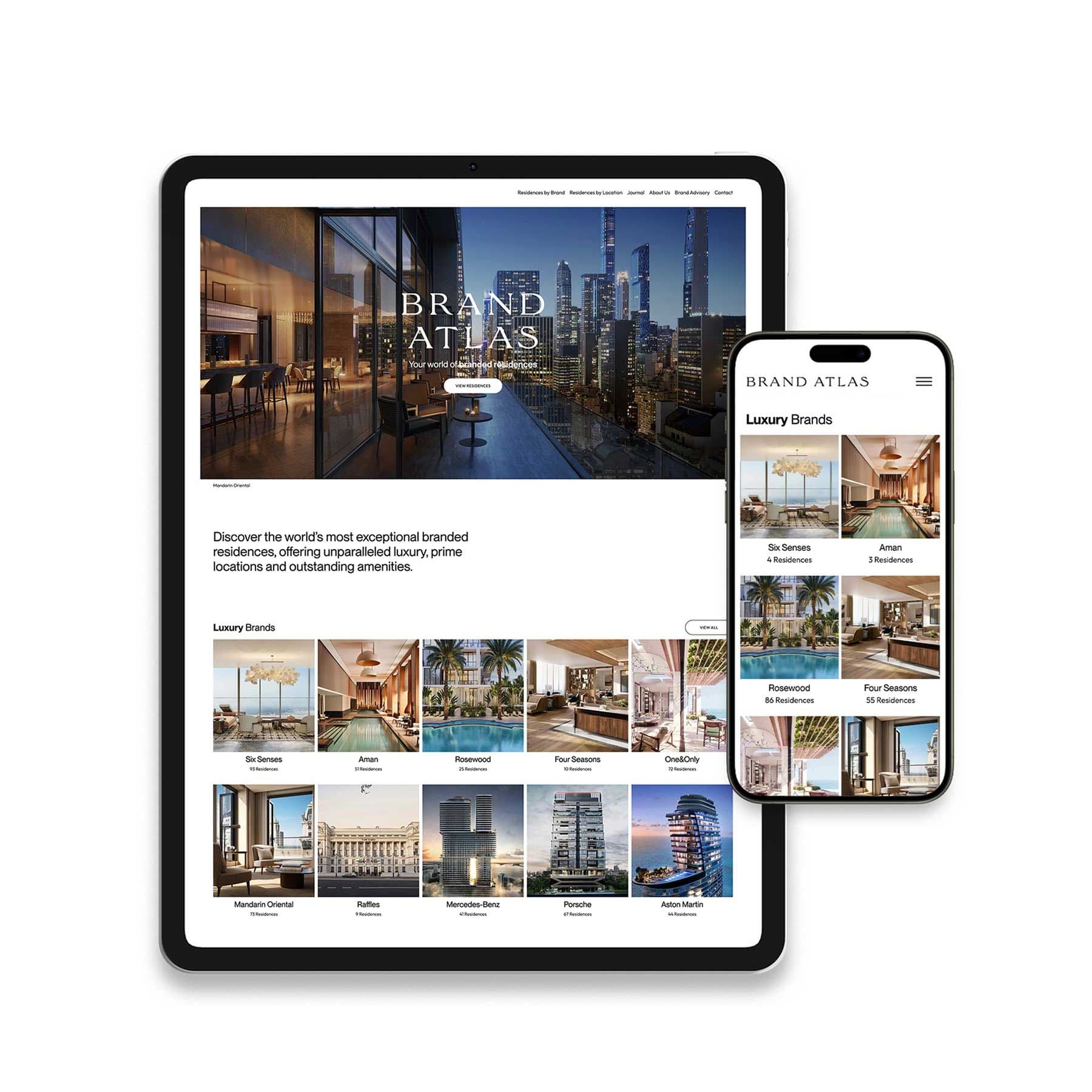
Ready to explore opportunities that meet these high standards? Visit Brand Atlas to start your search for the perfect branded residence today.

Brand Atlas is the world’s leading branded residences platform and brand consultancy.
Offering the definitive collection of the finest luxury branded residences in the most coveted locations, we give buyers and brands a unique opportunity to connect in this highly desirable and fast-growing market.
We work exclusively with leading brands, recognising the loyal relationship they share with their international audiences - and the exciting extension of luxury lifestyles through exceptional properties.
Providing an unparalleled and unbiased global overview, we enable buyers to see where their favourite brands are developing residences and to enjoy exploring and experiencing these exceptional properties.
Brand Atlas showcases the world’s finest branded residences on one digital platform, allowing global UHNW buyers access to a definitive collection of properties through a prestige network and top-tier technology.
Related News
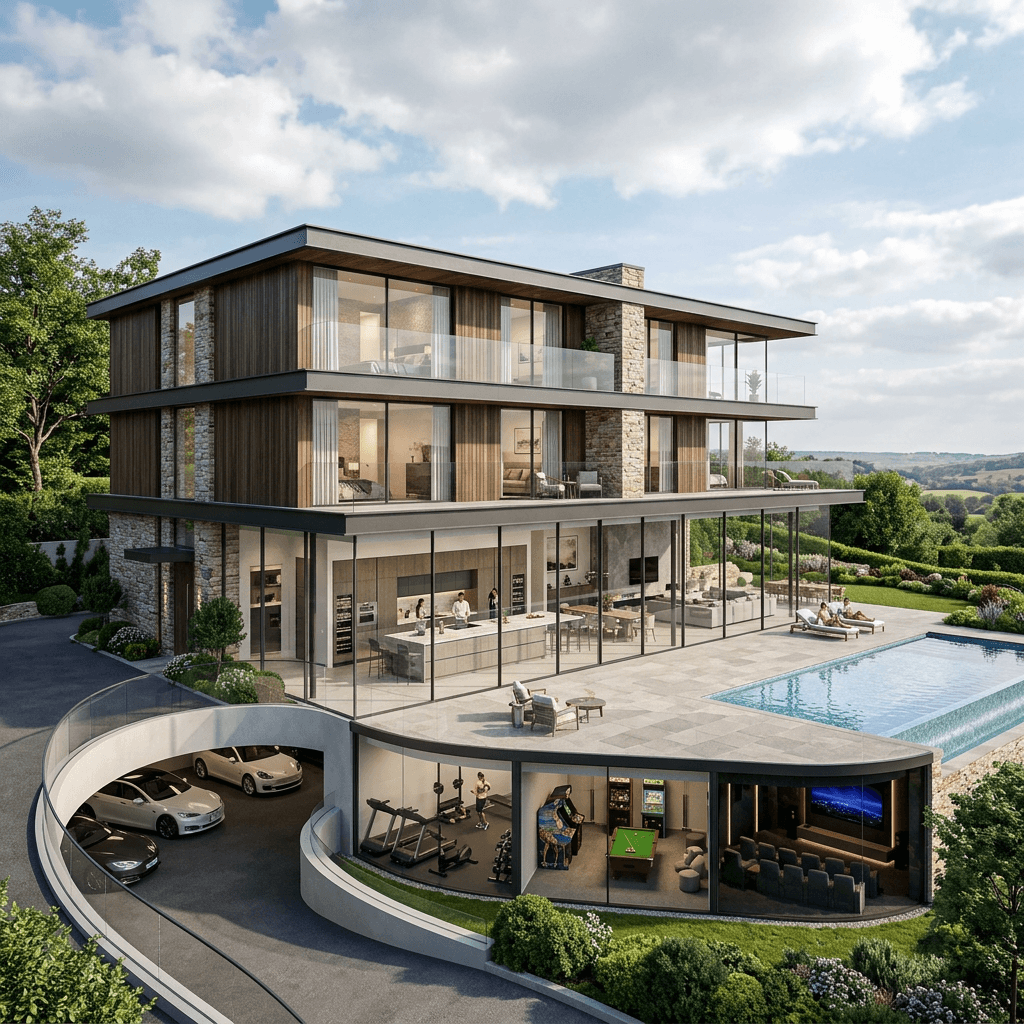
The 10 Most Exclusive Branded Residences in 2026
In 2026, exclusivity in branded residences is no longer defined by price alone. It is shaped by a sophisticated combination of brand equity, geographical rarity, design integrity, and the ability to deliver a consistently elevated living experience.

Premium vs. Performance: The Real Trade-Off Behind Branded and Non-Branded Luxury
Paying 30% more for a branded residence is either a sound strategic move or an expensive oversight. What determines the outcome is not the name on the building, but how well the investor understands the underlying mechanics of the asset before they commit.

The Branded Residence Premium: How Much Is Real, and How Much Is Marketing?
In Miami, Dubai, London, and Singapore, a brand affiliation regularly adds 40% to the price of a residential asset over comparable non-branded stock. In prime markets globally, that range typically sits between 20% and 35%. Those numbers are real. They are also only half the story.