

How Branded Residences Accelerate Sales Velocity and Command Premium Pricing
In the competitive world of luxury real estate, developers are turning to a new strategy to stand out: branded residences. These are residential properties affiliated with renowned hospitality or lifestyle brands, now one of the most powerful asset classes in the global market.
For developers and investors, the benefits are clear. These partnerships go beyond placing a logo on a building; they transform the economics of a project. By tapping into the trust, service standards, and prestige of top-tier brands, branded residences accelerate sales and command significant price premiums compared to non-branded properties.


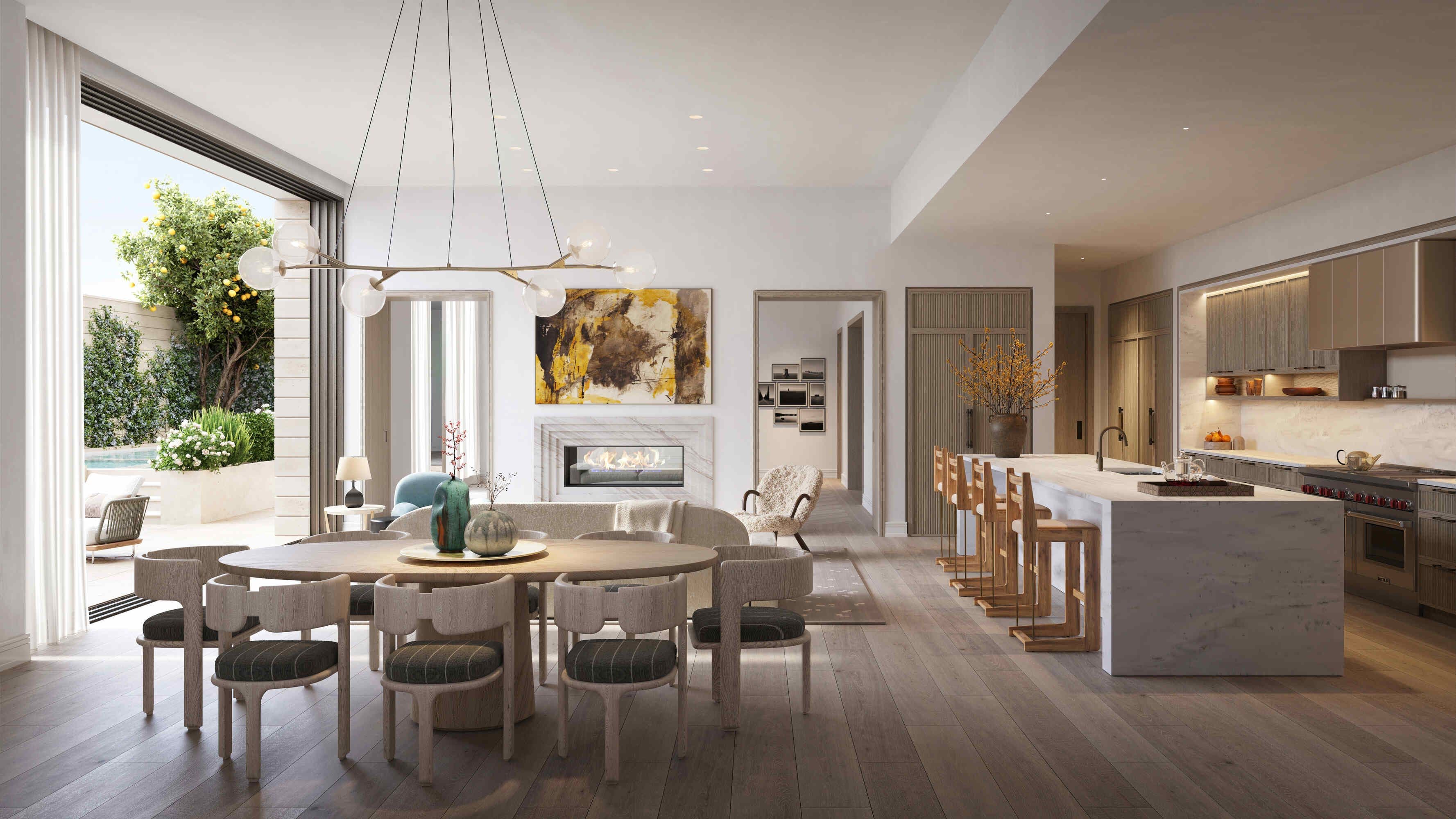
Understanding Branded Residences
A branded residence is a residential property that operates in partnership with an established brand. Historically, this sector was dominated by luxury hotel operators like Four Seasons, Ritz-Carlton, and Mandarin Oriental. They offer residents the same high-level service, amenities, and management as their five-star hotels, such as 24/7 concierge, housekeeping, and in-residence dining, all within a private home.
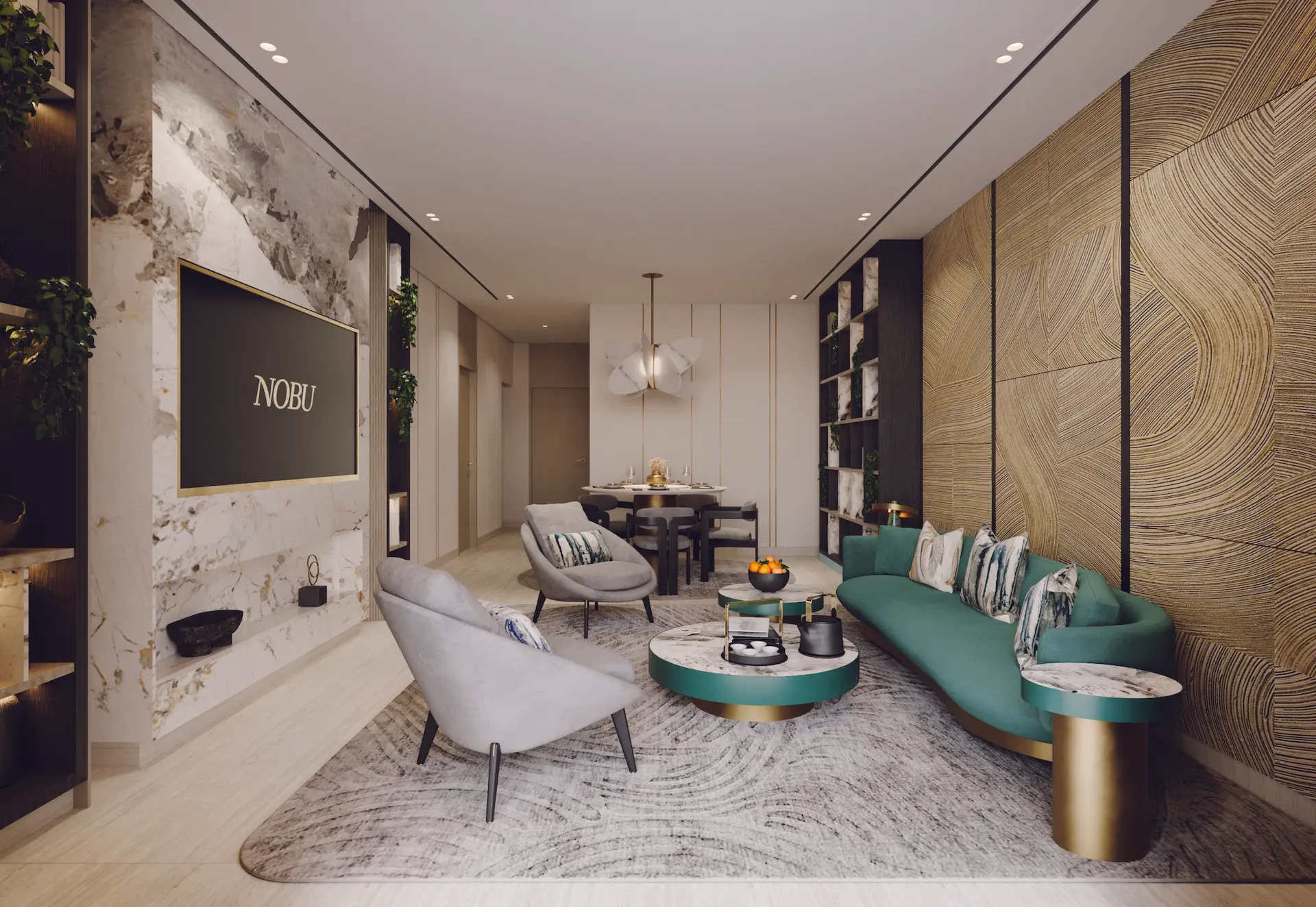
However, the market has evolved. The definition has expanded beyond hospitality giants to include lifestyle brands. Fashion houses like Armani and Bulgari, automotive legends like Porsche and Aston Martin, and even interior design icons like Philippe Starck (YOO) have entered the space. These non-hotel brands focus on design, novelty, and aligning the property with the values of their customer base.
Branded residences are rising globally, though drivers vary by region. In North America, where the concept began, they remain a luxury urban staple. Meanwhile, emerging markets like Thailand and the Middle East are seeing explosive growth. Dubai alone projects a pipeline of 250 projects by 2030, signaling that branded living is a structural shift in how the wealthy consume real estate rather than just a passing trend.
The Impact on Sales Velocity
Time is the enemy of the internal rate of return (IRR) for any developer. The longer a project sits on the market, the higher the holding costs and the lower the overall profitability. Branded residences act as a catalyst for sales velocity, often securing buyers before the ground is even broken.
This acceleration is fueled by trust, especially in off-plan sales. When buyers commit millions to a property that only exists as a rendering, confidence is the primary currency. A globally recognized brand mitigates risks like non-delivery or poor quality by acting as a guarantor. While a buyer may hesitate to trust an unknown local developer, they intimately trust the established standards of a St. Regis or a Rosewood.
The results of this trust are tangible. For instance, the W Residences in Dubai reportedly sold out in just 30 days, a feat that would be nearly impossible for a non-branded project of similar scale. Similarly, St. Regis projects have achieved billion-dollar presales figures, underscoring how brand equity can drive massive liquidity events for developers early in the project lifecycle.
In crowded destination markets like Phuket or Marbella, where buyers are inundated with "luxury" options, a brand cuts through the noise. It differentiates the product instantly, capturing the attention of international investors who are looking for a safe, recognizable asset in a foreign market.
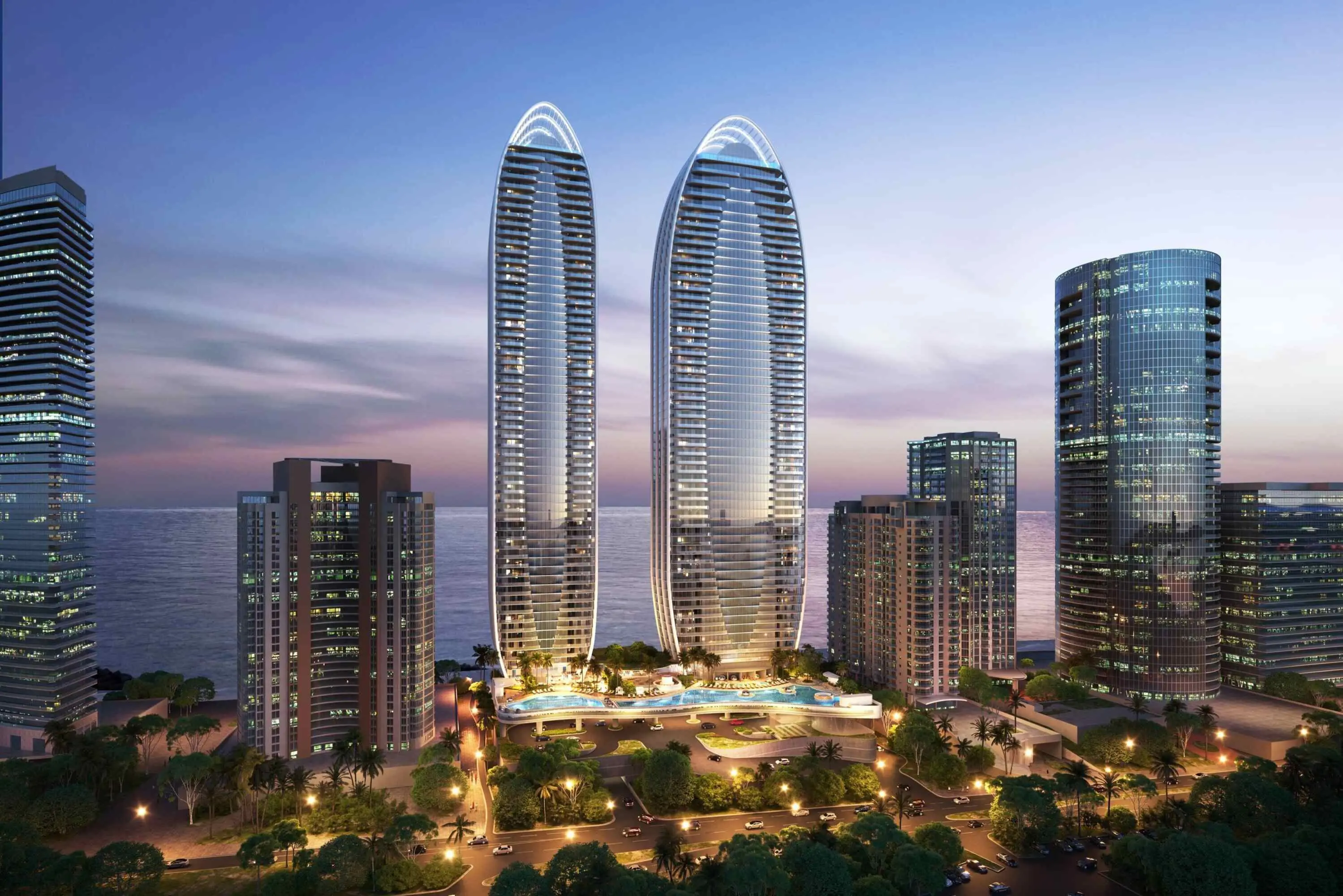
Commanding Premium Pricing
Speed is valuable, but the price premium is where the branded residence model truly shines. Global data consistently shows that buyers are willing to pay significantly more for the privileges that come with branded ownership. This "brand premium" varies by region but is universally present.
On a global scale, branded residences command an average premium of roughly 30% to 35% over comparable non-branded luxury properties. However, in emerging markets where the gap between local luxury standards and international brand standards is wider, this premium can soar. Research indicates that while global cities might see a 27% uplift, emerging cities can see premiums between 45% and 60%.
Dubai serves as a prime example of this phenomenon. As arguably the world capital of branded living, the emirate has seen premiums reach as high as 64%. Buyers here are not just paying for four walls; they are paying for the security, status, and service ecosystem that a marquee name provides.
Several factors justify these costs:
Service: Access to 24/7 concierge, housekeeping, and hospitality experts who manage the property.
Amenities: Exclusive access to hotel spas, private beaches, and Michelin-starred dining that a standalone building cannot replicate.
Investment Value: These properties often outperform in resale markets and offer robust rental yields, particularly in resort locations where the hotel operator manages the rental pool.
Specific brands carry different weights. Historic hotelier brands like Ritz-Carlton and Four Seasons consistently top the rankings for price uplifts, often exceeding 30-60% over local comparables. Ultra-luxury brands like Aman can push premiums even higher, driven by extreme scarcity and cult-like loyalty. Meanwhile, fashion and automotive brands like Armani or Porsche Design leverage their unique design philosophy to attract specific buyer segments willing to pay for architectural uniqueness.
Brand Atlas: Connecting Brands, Developers, and Buyers
Navigating this complex ecosystem requires specialized expertise. This is where platforms like Brand Atlas become essential. Brand Atlas serves as a global platform and advisory company that connects brands, property developers, and ultra-high-net-worth (UHNW) buyers to the world of branded residences.
Brand Atlas simplifies the market by providing a curated view of the global landscape. For developers, it offers a pathway to find the right brand partner, one that aligns with their location, vision, and target demographic. For buyers, it creates a seamless journey to discover properties that match their lifestyle, whether they are looking for a fashion-branded apartment in Miami or a resort villa in Thailand.
The platform showcases exceptional properties from a wide array of sectors, including:
Hospitality: Iconic names like Mandarin Oriental, Six Senses, and Raffles.
Automotive: Engineering-led residences from Porsche, Bentley, and Aston Martin.
Fashion: Design-forward homes by Dolce & Gabbana, Fendi, and Elie Saab.
By centralizing these opportunities, we help streamline the industry, ensuring that developers can effectively market their projects to loyal brand followers and that buyers can find homes that deliver on the promise of quality and prestige.
Maximizing Value in an Evolving Market
The evidence is clear: the branded residence is not a passing trend. It is a structural shift in the luxury real estate market. For developers, it offers a proven strategy to accelerate sales velocity and achieve higher margins through premium pricing. For brands, it extends their reach into the daily lives of their customers, deepening loyalty. And for buyers, it offers the ultimate luxury, a home that comes with a promise of quality, service, and enduring value.
As the market expands into new regions and integrates new types of lifestyle brands, the premium on trust will likely only increase. Whether you are a developer looking to differentiate your next project or a buyer seeking a home that offers more than just living space, the branded residence sector offers compelling opportunities.
To explore the world’s most exceptional branded residences and connect with the experts shaping this market, discover what is possible with Brand Atlas today.
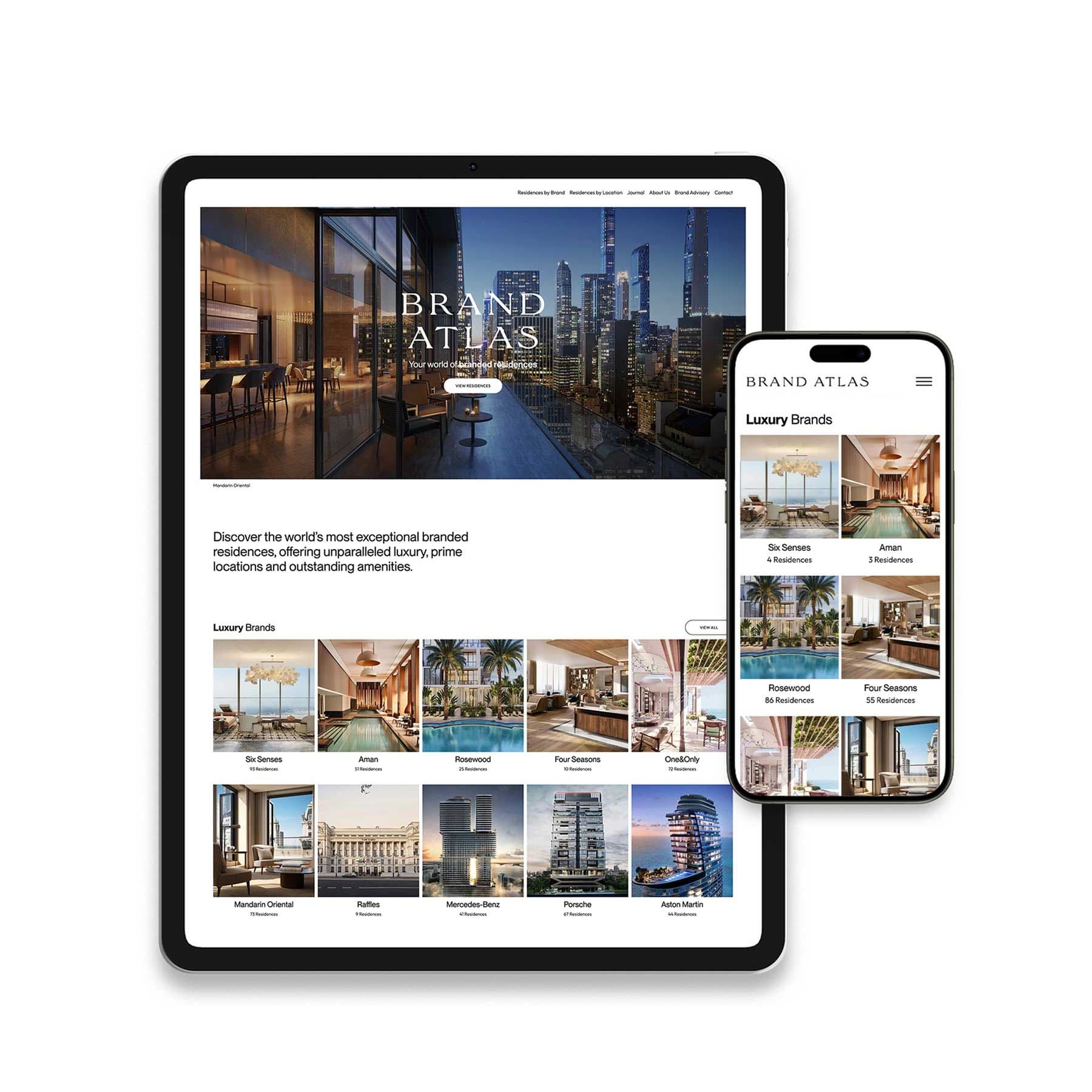
Brand Atlas is the world’s leading branded residences platform and brand consultancy.
Offering the definitive collection of the finest luxury branded residences in the most coveted locations, we give buyers and brands a unique opportunity to connect in this highly desirable and fast-growing market.
We work exclusively with leading brands, recognising the loyal relationship they share with their international audiences - and the exciting extension of luxury lifestyles through exceptional properties.
Providing an unparalleled and unbiased global overview, we enable buyers to see where their favourite brands are developing residences and to enjoy exploring and experiencing these exceptional properties.
Brand Atlas showcases the world’s finest branded residences on one digital platform, allowing global UHNW buyers access to a definitive collection of properties through a prestige network and top-tier technology.
Related News
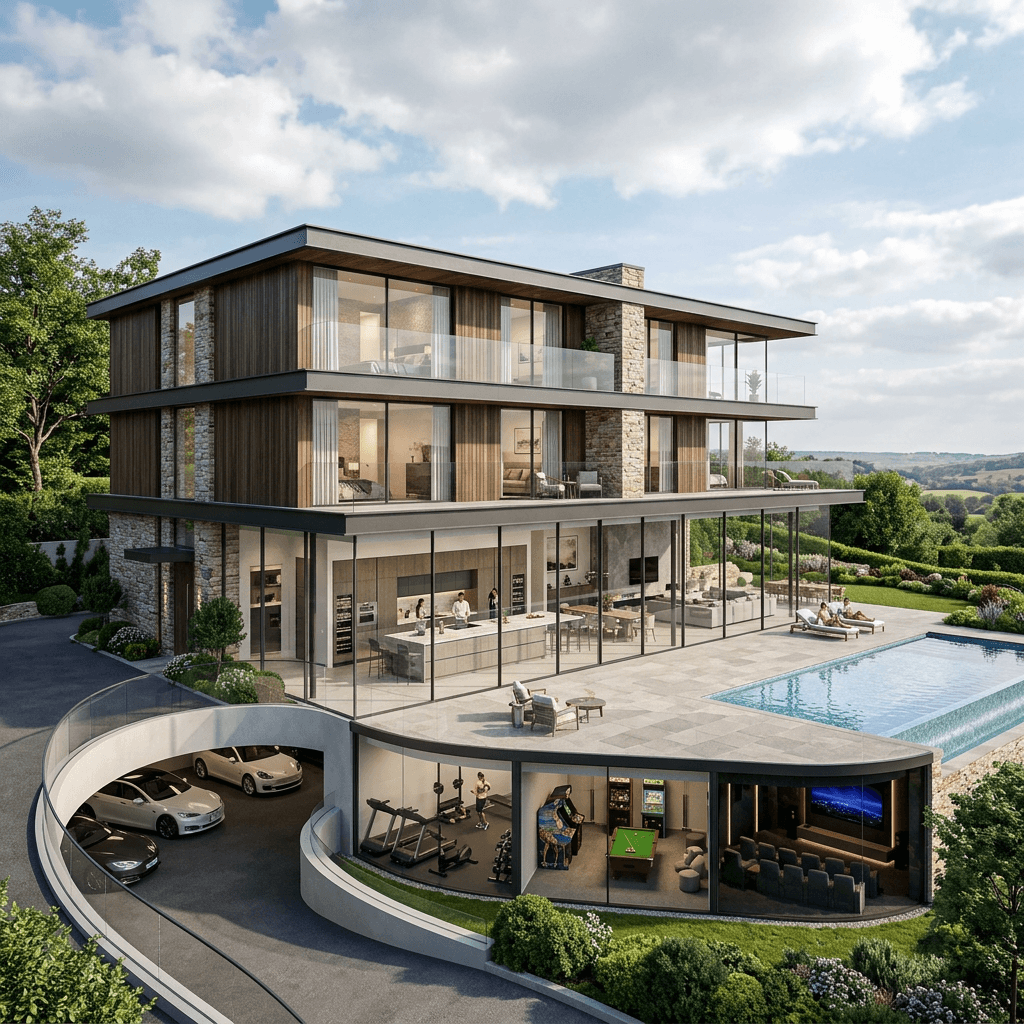
The 10 Most Exclusive Branded Residences in 2026
In 2026, exclusivity in branded residences is no longer defined by price alone. It is shaped by a sophisticated combination of brand equity, geographical rarity, design integrity, and the ability to deliver a consistently elevated living experience.
Premium vs. Performance: The Real Trade-Off Behind Branded and Non-Branded Luxury
Paying 30% more for a branded residence is either a sound strategic move or an expensive oversight. What determines the outcome is not the name on the building, but how well the investor understands the underlying mechanics of the asset before they commit.
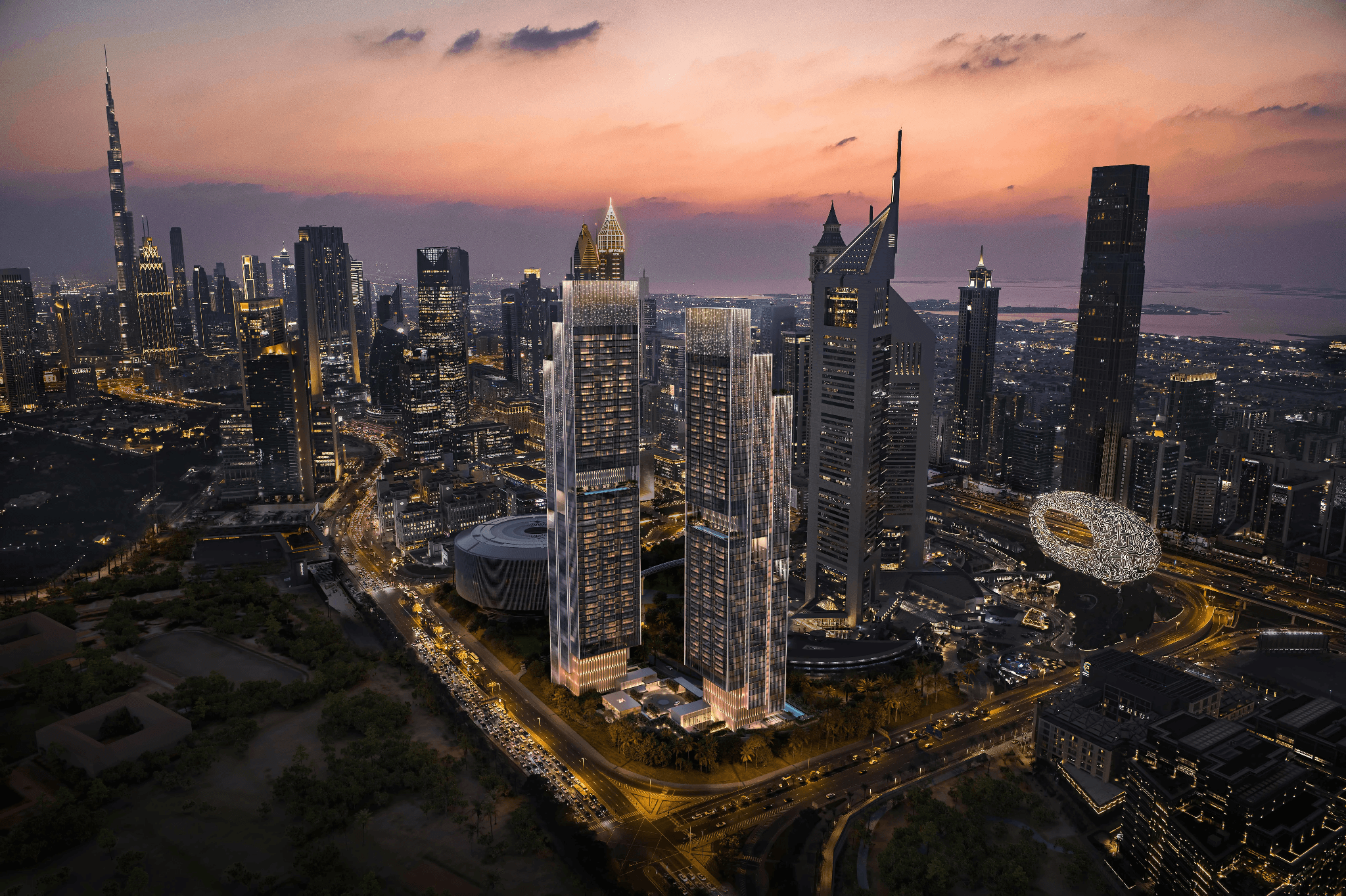
The Branded Residence Premium: How Much Is Real, and How Much Is Marketing?
In Miami, Dubai, London, and Singapore, a brand affiliation regularly adds 40% to the price of a residential asset over comparable non-branded stock. In prime markets globally, that range typically sits between 20% and 35%. Those numbers are real. They are also only half the story.