

The Year That Was: 2025 Branded Residences Trends & Industry Voices
The branded residence sector has evolved far beyond its origins as hotel-affiliated apartments offering five-star amenities and prestige addresses. In 2025, this dynamic industry stands at the intersection of technological innovation, environmental consciousness, and a profound reimagining of what luxury means to today's discerning buyers. As global lifestyles continue to shift in response to changing work patterns, environmental imperatives, and evolving family structures, branded residences are responding with unprecedented creativity and vision.
The six trends explored in this article reveal how the industry is rising to meet these expectations. From wellness-focused design that prioritizes mental and physical health to flexible layouts that adapt as families grow and change, today's branded residences are redefining the very concept of aspirational living.


Together, these trends paint a picture of an industry in the midst of its most significant evolution yet; one where true luxury means living better, not just living bigger.
1. Wellness-Centric Living Spaces
Residences are being designed as holistic wellness sanctuaries rather than just places to live. Beyond traditional fitness centers, these developments feature dedicated meditation pavilions, aromatherapy-infused spa suites, vitamin C-enriched showers, and air purification systems that maintain optimal indoor environmental quality. Lighting systems mimic natural circadian rhythms to promote better sleep, while soundproofing and acoustic design create sanctuaries of tranquility within urban environments.
Beyond physical design, wellness-led branded residences are increasingly supported by curated services and programming. On-demand health concierge offerings, personalised nutrition and fitness plans, in-residence spa treatments, and access to medical and longevity partners are extending the concept of hospitality into everyday life. This service-led approach positions the home not just as a place to live, but as an active contributor to long-term wellbeing.

As VP of Asia Pacific at Accor, Lachlan De Morton put it:
“As buying patterns mature amongst HNWI, Developers and Operators will really need to create genuine brand differentiators focusing on sustainable mixed-use placemaking and operating models that are authentic.
Unique amenity offerings and supportive community programming will become more important for the homeowner experience. This is an opportunity for the Hospitality brands to really excel in this space.”
2. Smart Homes & Tech-Integrated Living
Technology integration has evolved from a novelty to an expectation in branded residences, with intelligent systems that learn and anticipate residents' needs. Advanced home automation platforms control everything from temperature and lighting to window treatments and music selection through voice commands or intuitive apps, creating seamless living experiences. Biometric security systems, facial recognition entry, and AI-powered surveillance provide both convenience and peace of mind, while smart kitchens feature appliances that suggest recipes based on available ingredients and dietary preferences.
Technology-driven living reached a new level of maturity, with smart-home systems becoming seamless, intuitive, and deeply personalised. Rather than showcasing technology for its own sake, branded residences are using digital ecosystems to enhance comfort, security, efficiency, and convenience.
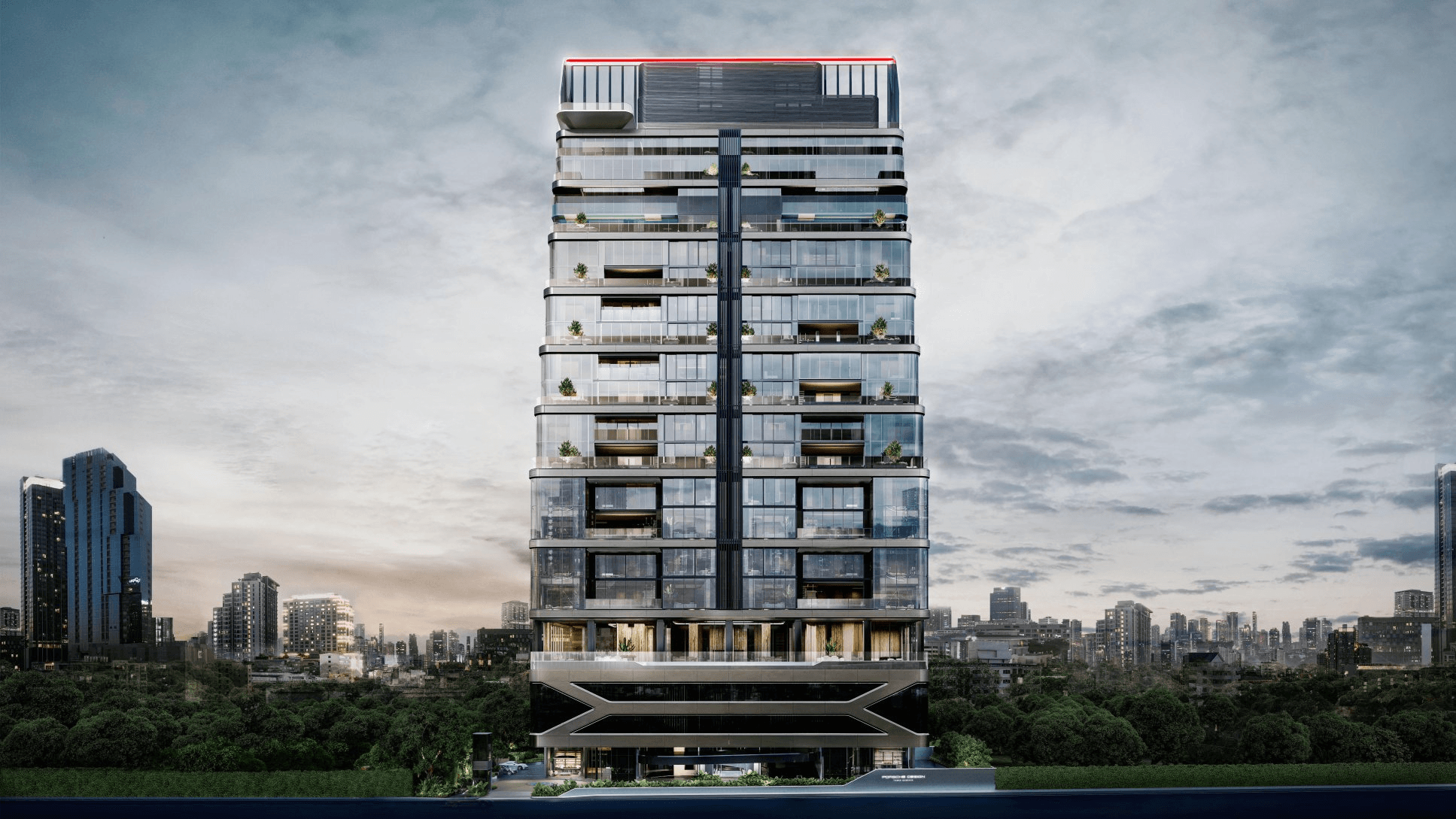
Jagdish Johal, the managing director of YOO Group is on a similar page:
“2025 saw the hustle and bustle of the Middle East, expanding into the wider region. The growing economies of Asia and South America represent a huge opportunity, given the migrating population to urban centres.
In 2026 our focus will be on technological and AI advances, morphing the services landscape and with a spotlight on the exciting markets in Africa.”
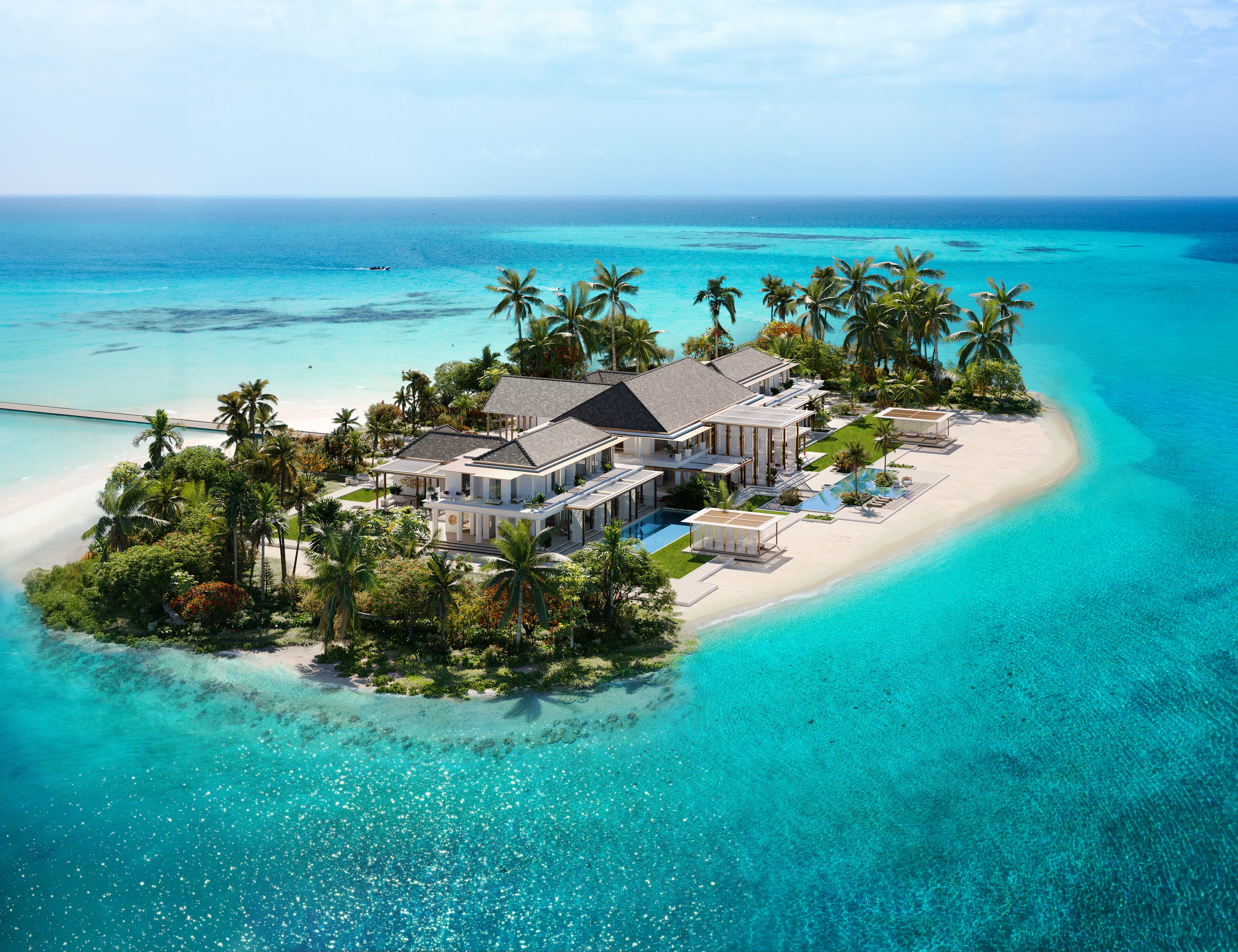
3. Sustainability & Eco-Conscious Design (“Eco-Luxe”)
The eco-luxe movement has transformed sustainability from an alternative choice to a defining characteristic of premium branded residences. Developers are achieving net-zero or carbon-neutral certifications through solar panel arrays, geothermal heating and cooling systems, and rainwater harvesting infrastructure that dramatically reduces environmental footprints. Interiors showcase reclaimed wood, recycled metals, and low-VOC materials that promote healthier indoor air quality while maintaining aesthetic sophistication. Luxury brands are discovering that today's affluent buyers (particularly millennials and Gen Z inheritors) refuse to compromise between environmental responsibility and refined living, viewing sustainability as integral to authentic luxury rather than antithetical to it. This shift has made eco-conscious design a competitive differentiator that enhances property values while contributing to global climate goals.
Eco-luxe design is also shaping how developments operate long after completion. Developers are prioritising lifecycle efficiency through smart energy management, responsible sourcing, and future-proofed infrastructure that reduces operational costs and environmental impact over time.
This long-term mindset aligns sustainability with asset resilience, protecting value while meeting the growing expectations of environmentally conscious global buyers.
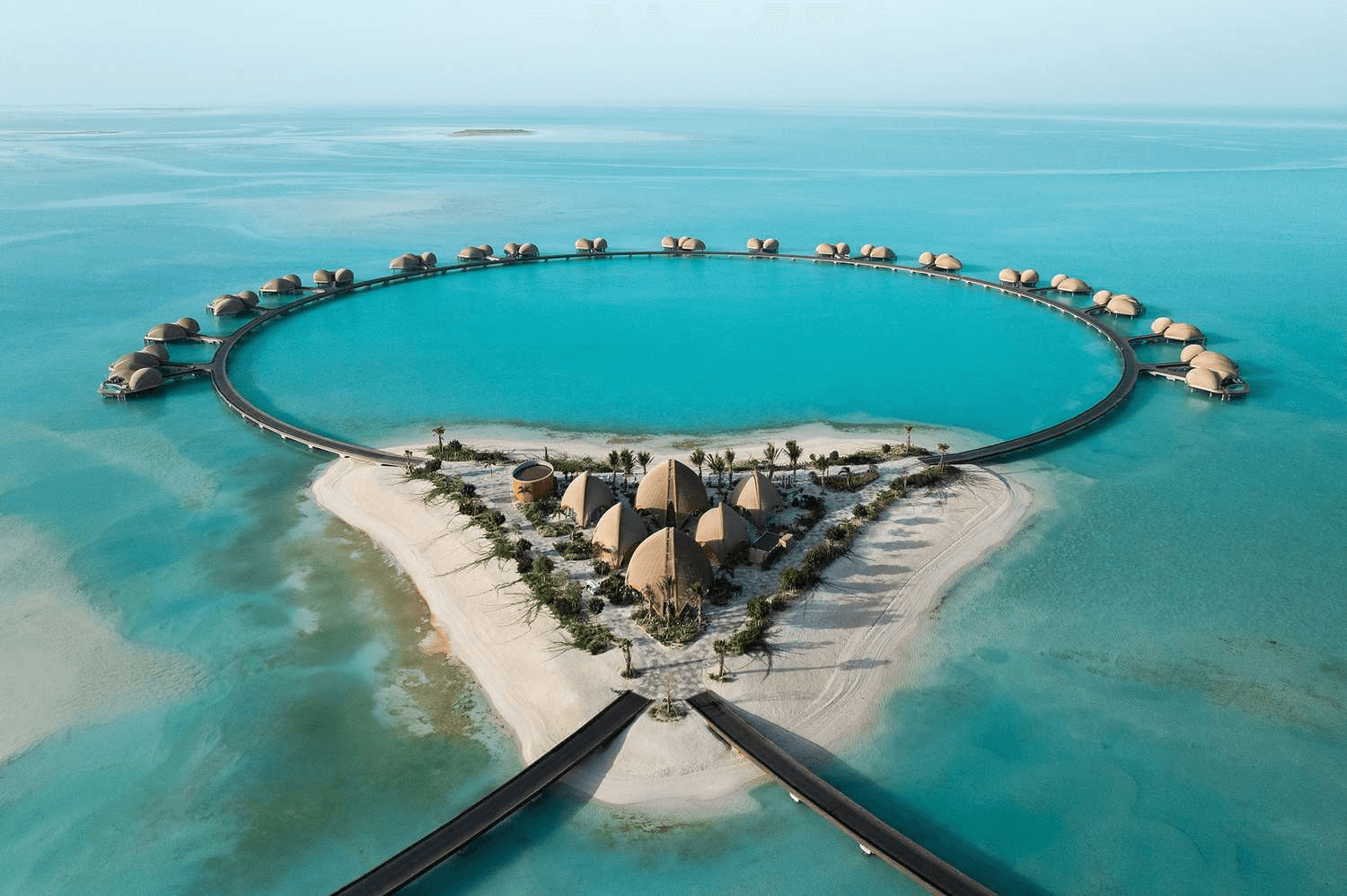
“Demand surged globally, particularly in the Middle East driven by international buyers seeking lifestyle benefits and brand prestige. Standalone developments gained traction, signaling a shift beyond traditional hotel co-location models.
Looking ahead to 2026, the sector will continue to evolve with further innovation and regulatory evolution. Expect expansion into ultra-luxury mixed-use communities and new foreign ownership frameworks in markets like Saudi Arabia. As branded residences move from niche to mainstream, strategic partnerships and robust legal structures will be critical to unlocking long-term value.”
Keri Watkins
Partner: Real Estate & Hospitality, Baker & McKenzie LLP
4. Flexible / Multi-Functional Spaces & Modular Layouts
The pandemic-accelerated shift toward hybrid work and evolving household dynamics has made spatial flexibility a premium feature in branded residences. Architects are designing convertible rooms with sliding partitions and transformable furniture systems that allow spaces to transition from home offices to guest suites to yoga studios within minutes. Modular kitchen islands on wheels, movable storage systems, and adjustable shelving accommodate changing needs without requiring renovation. Some developments offer "flex shells", unfinished spaces that residents can customize according to their specific requirements, whether that's a recording studio, wine cellar, or children's playroom.
This shift reflects a growing demand for homes that can respond to change over time, offering long-term relevance and enhanced usability. By designing for versatility at both architectural and interior levels, branded residences are delivering homes that feel larger, more intuitive, and better suited to modern patterns of living.
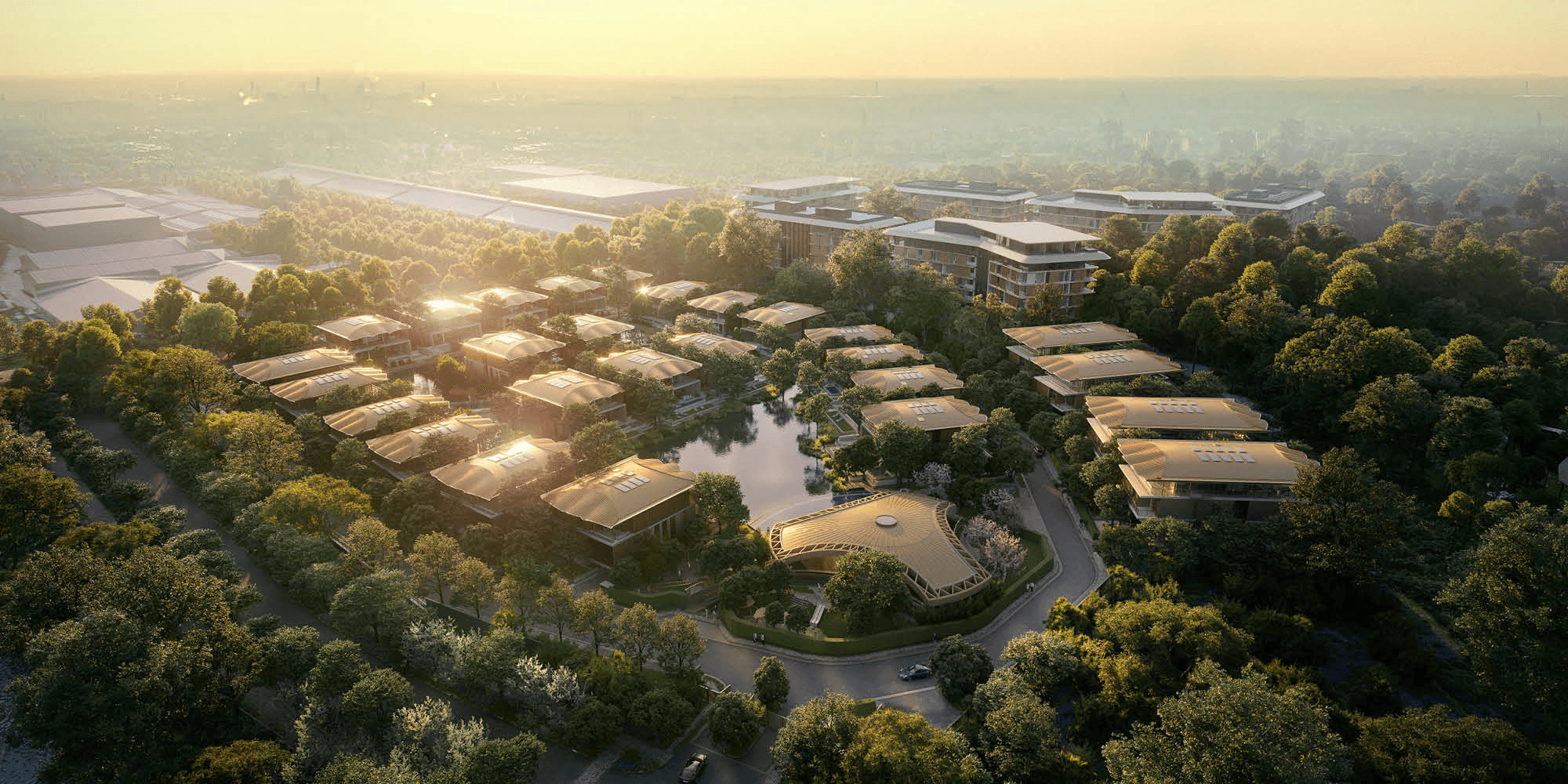
“2025 felt like a great resistance, a steep climb to the top that induced growth and strength, whispered to me a secret: Creativity prospered with responsibility and discipline.
A glimpse of 2026 feels bright and breezy, not from being on top, but with gratitude for tremendous support, and for our resilience that has kept every step moving.”
Ratiwat “Nui” Suwannatrai
CEO/Principal Architect, Openbox Group
5. Intergenerational & Family-Friendly Housing Solutions
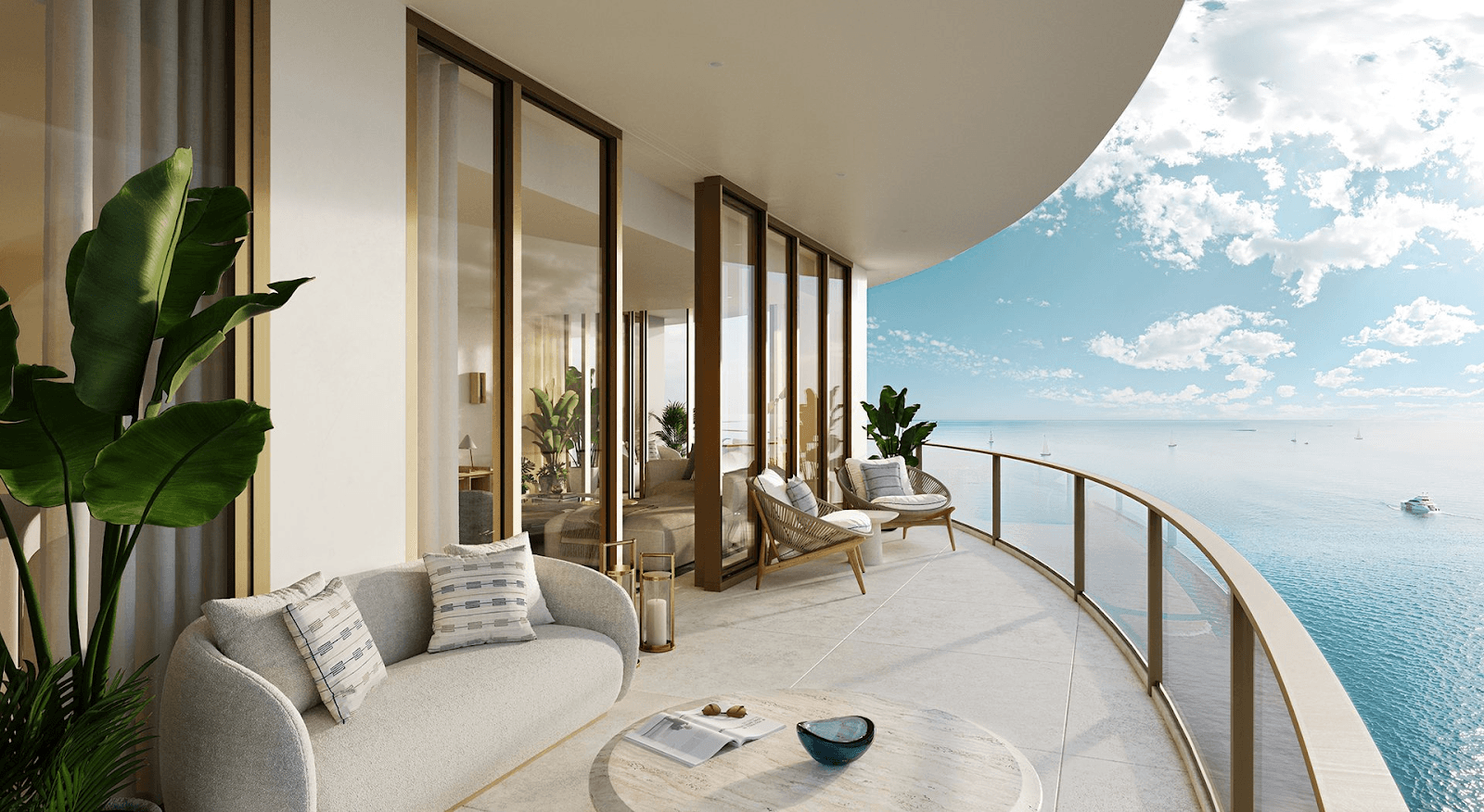
Branded residences are responding to demographic shifts by creating spaces that accommodate multiple generations under one roof while preserving privacy and independence. Floor plans feature separate wings or levels with independent entrances, kitchenettes, and living areas that allow aging parents or adult children to maintain autonomy while remaining connected to family. This approach reflects cultural shifts toward extended family living arrangements, driven by both financial considerations and desires for stronger familial bonds, particularly resonating with Asian, Middle Eastern, and Latin American buyers for whom multigenerational households represent cultural norms. By addressing the practical challenges of shared living while delivering luxury at every age, these residences appeal to families seeking long-term homes that evolve with their changing needs.
At a service and community level, intergenerational living is being reinforced through thoughtful programming and amenity design. Shared social spaces, family-oriented hospitality services, and lifestyle offerings that cater to multiple age groups foster a sense of connection without sacrificing exclusivity. This holistic approach supports long-term residency and strengthens emotional attachment to the residence as a true family home.

“Branded residences remained a niche yet influential segment in Dubai in 2025, representing just 5–7% of residential activity but achieving a 15% increase in prices despite stable transaction volumes.
Growth in 2026 is expected to be steady, with potential upside if more branded projects launch. Dubai’s continued appeal to UHNWIs and HNWIs is driven by its safety, political stability, favourable tax environment, strong infrastructure, and lifestyle offering is expected to underpin demand for branded residences in 2026.”
Nick Witty
Group CEO, Cavendish Maxwell
6. Regional & Cultural Identity in Design
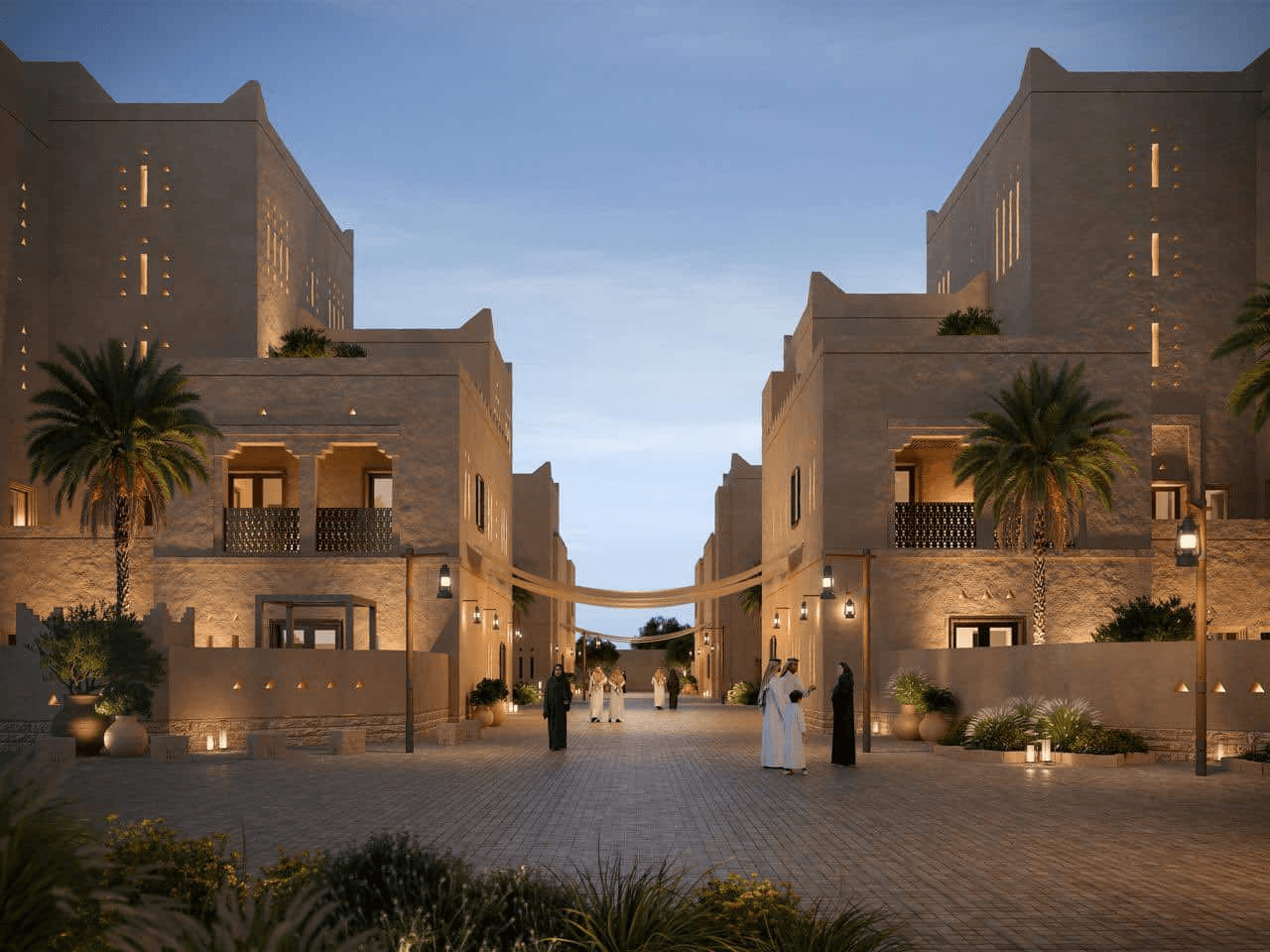
Branded residences are increasingly rejecting generic international style in favor of designs that honor and celebrate their specific geographic and cultural contexts. Architects collaborate with local artisans to incorporate indigenous materials—whether volcanic stone in Bali, reclaimed timber in Scandinavia, or hand-painted tiles in Mexico—that root properties in their environments. Spatial layouts reference vernacular architecture: courtyards in Mediterranean climates, verandas in tropical settings, or communal gathering spaces that reflect local social customs.
Cultural storytelling through design creates an authentic sense of place that resonates with both international buyers seeking meaningful connections to destinations and local purchasers who value representations of their heritage. In an increasingly globalized market, this trend differentiates properties by offering experiences that cannot be replicated elsewhere, transforming branded residences from interchangeable luxury products into culturally embedded landmarks that contribute to rather than erase local identity.
Florence Quinn, President, Quinn PR put it excellently when saying:
“2025 was the year in which global branded residences dominated the world stage for new developments. It’s a phenomenon that beautifully tracks the rise of a new class of global citizens; people who live and spend time in multiple countries and whose identities are shaped by their new borderless lifestyles.
As David Frame, the new global head of JP Morgan’s private bank, told WSJ: “The wealthier you get, the more you feel you’re a citizen of the world.”
The bar is now higher for new developments to differentiate themselves. Being a branded residence has become entry-level. We must add layers of compelling offers, anticipating what global citizens want and being able to reach them where they are.”
The trends shaping branded residences in 2025 reveal an industry undergoing a fundamental transformation; one driven not by fleeting fashions but by substantive shifts in how we live, work, and define success.
“Hospitality brands set the pace in 2025, turning residences into lifestyle ecosystems.
In 2026, expect even more crossover: deeper service integration, stronger brand narratives and buyers actively seeking the familiarity and finesse that only hotel brands can deliver.”
Charlie Walsh
Director of Residential Sales, Maybourne
Wellness-centric design, smart technology integration, sustainability, adaptable spaces, multigenerational living, and cultural authenticity are not merely features to be checked off a marketing list. They represent a holistic reimagining of residential luxury that places human experience, environmental responsibility, and meaningful connection at its core.
What makes this moment particularly significant is the convergence of these trends. A branded residence that embraces wellness while ignoring sustainability, or that celebrates local culture while failing to accommodate modern family structures, misses the mark. Today's most visionary developments understand that these priorities are interconnected; that truly exceptional living environments must address all dimensions of contemporary life simultaneously.
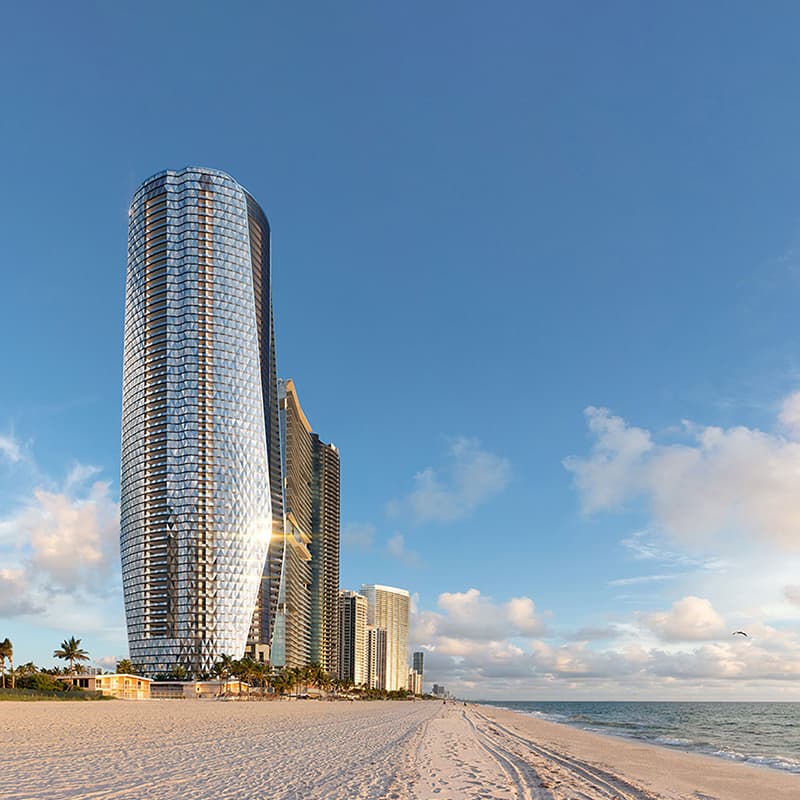
“To me 2025 was a relatively fruitful year despite surprises geopolitically. In Europe, US and Middle East Nobu Group was very dominant with major signings and groundbreakings in Manchester, Amsterdam, Krakow, Egypt, Montenegro, Kuwait, Oman, Baku, Nashville and Miami.
We certainly look forward to more optimism here in the Asia Pacific region in the new year.”
Lee Lin
Regional Director APAC, Nobu
The branded residence sector has always been about aspiration, but the nature of that aspiration has evolved. Today's luxury buyers aspire to lives that are healthier, smarter, more sustainable, more flexible, more connected across generations, and more rooted in authentic place and culture. They seek homes that don't just display their success but actively support the lives they want to lead and the values they want to embody.
As we move further into 2025 and beyond, the branded residences that thrive will be those that recognize this evolution and embrace it wholeheartedly. The future of luxury living isn't about adding more; it's about adding meaning. And in that shift lies the industry's greatest opportunity.
Before saying goodbye to you for the rest of the year we wanted to leave you with some reflections from our Brand Atlas directors:
“2025 drew a clear line in the sand for branded residences. The sector finally matured beyond badges and branding and stepped into what buyers have been waiting for: a complete, credible lifestyle offering.
Design, service, technology, wellness and trust now sit at the core of every decision, there’s no hiding behind glossy marketing anymore. Buyers are sharper, more informed, and they expect the brand to show up every day, not just at launch. When you deliver that level of integrity and consistency, the value creation isn’t theoretical, it’s inevitable.”
Darren Barlow
Co-Founder & Global CEO, Brand Atlas
“2025 showed relentless growth in the branded living sector with more brands entering the sector than ever before. The smartest projects are responding to a buyer who is more global, more informed and far less tolerant of ‘badge only’ branding, and who will only pay a 30–35% price premium when the brand genuinely changes how they live day to day.
My view is that 2026 will be the year the sector is forced to choose between scale and substance: over-supplied markets and shallow partnerships will quietly re-price, while developments that combine credible hospitality operators, purpose-led concepts – wellness, longevity, culture and serious operational delivery will capture market demand.”
Jenny Naylor
Managing Director, Brand Atlas Advisory

“In 2025, the branded residence sector matured into a data-driven, performance-led asset class. We saw that success wasn’t driven by the logo alone, but by how deeply the brand was integrated into operations, design governance, and long-term asset management.
The year reinforced that long-term value is created at the intersection of brand discipline and development fundamentals.”
Michael Ayling
Group Managing Director, Brand Atlas

Happy holidays & see you next year!
Brand Atlas is the world’s leading branded residences platform and brand consultancy.
Offering the definitive collection of the finest luxury branded residences in the most coveted locations, we give buyers and brands a unique opportunity to connect in this highly desirable and fast-growing market.
We work exclusively with leading brands, recognising the loyal relationship they share with their international audiences - and the exciting extension of luxury lifestyles through exceptional properties.
Providing an unparalleled and unbiased global overview, we enable buyers to see where their favourite brands are developing residences and to enjoy exploring and experiencing these exceptional properties.
Brand Atlas showcases the world’s finest branded residences on one digital platform, allowing global UHNW buyers access to a definitive collection of properties through a prestige network and top-tier technology.
Related News
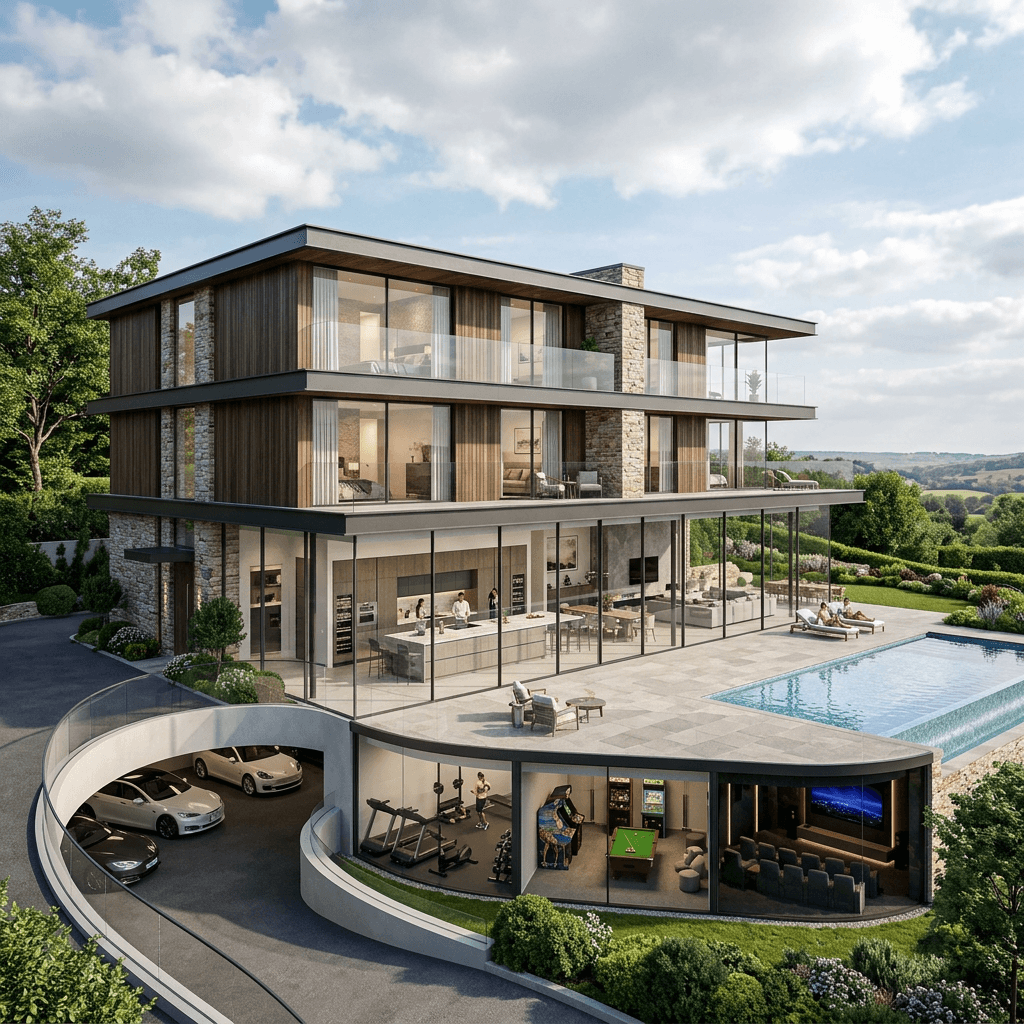
The 10 Most Exclusive Branded Residences in 2026
In 2026, exclusivity in branded residences is no longer defined by price alone. It is shaped by a sophisticated combination of brand equity, geographical rarity, design integrity, and the ability to deliver a consistently elevated living experience.
Premium vs. Performance: The Real Trade-Off Behind Branded and Non-Branded Luxury
Paying 30% more for a branded residence is either a sound strategic move or an expensive oversight. What determines the outcome is not the name on the building, but how well the investor understands the underlying mechanics of the asset before they commit.
The Branded Residence Premium: How Much Is Real, and How Much Is Marketing?
In Miami, Dubai, London, and Singapore, a brand affiliation regularly adds 40% to the price of a residential asset over comparable non-branded stock. In prime markets globally, that range typically sits between 20% and 35%. Those numbers are real. They are also only half the story.