

The Global Passport: Why Property is Now Infrastructure for Life
In a borderless world, your home is defined by the access it grants, not the ground it sits on. Chinese UHNWIs are trading speculation for "Strategic Living", curating global portfolios that act as gateways to elite education, healthcare, and intergenerational security. According to The Residence Report, property is no longer just an asset; it is the essential infrastructure for a life without borders.



The Global Passport: Why Property is Now Infrastructure for Life
For Chinese families today, global home ownership is no longer about chasing yield or securing a trophy address. It’s about how life flows across borders, smoothly, securely, and with purpose.
According to Knight Frank’s The Residence Report, a new decision framework is shaping residential choices among Chinese families and UHNW individuals. Education access, healthcare quality, international mobility, and long-term family planning now outweigh short-term returns. Property is increasingly viewed as infrastructure for life, not just an investment.
Cities such as Singapore, London, Tokyo, and Vancouver continue to attract Chinese buyers not simply because of their prestige, but because they offer ecosystems that support multi-city living. Proximity to top-tier international schools, globally recognised universities, and advanced healthcare systems plays a decisive role. These homes are often chosen years in advance, aligned with children’s education timelines or long-term residency planning.
Mobility is another key driver. Families want residences in cities that are well connected, politically stable, and welcoming to international lifestyles. Easy travel, visa access, and reliable legal frameworks give buyers confidence that their homes will remain usable and valuable regardless of global uncertainty.

At the same time, legacy has become central to decision-making. Many buyers are planning not just for themselves, but for future generations. Homes are selected for their ability to hold value, offer continuity, and remain relevant as family needs evolve. This explains the growing preference for professionally managed residences and developments that emphasise quality, service, and long-term care.

In this context, owning multiple homes across global cities is no longer seen as excess, it is seen as strategic living. Each residence serves a role: education, wellness, business access, or family security.
In today’s world, the right home is no longer defined by one postcode.
It is defined by how well it supports the life you want to build, now, and across generations.

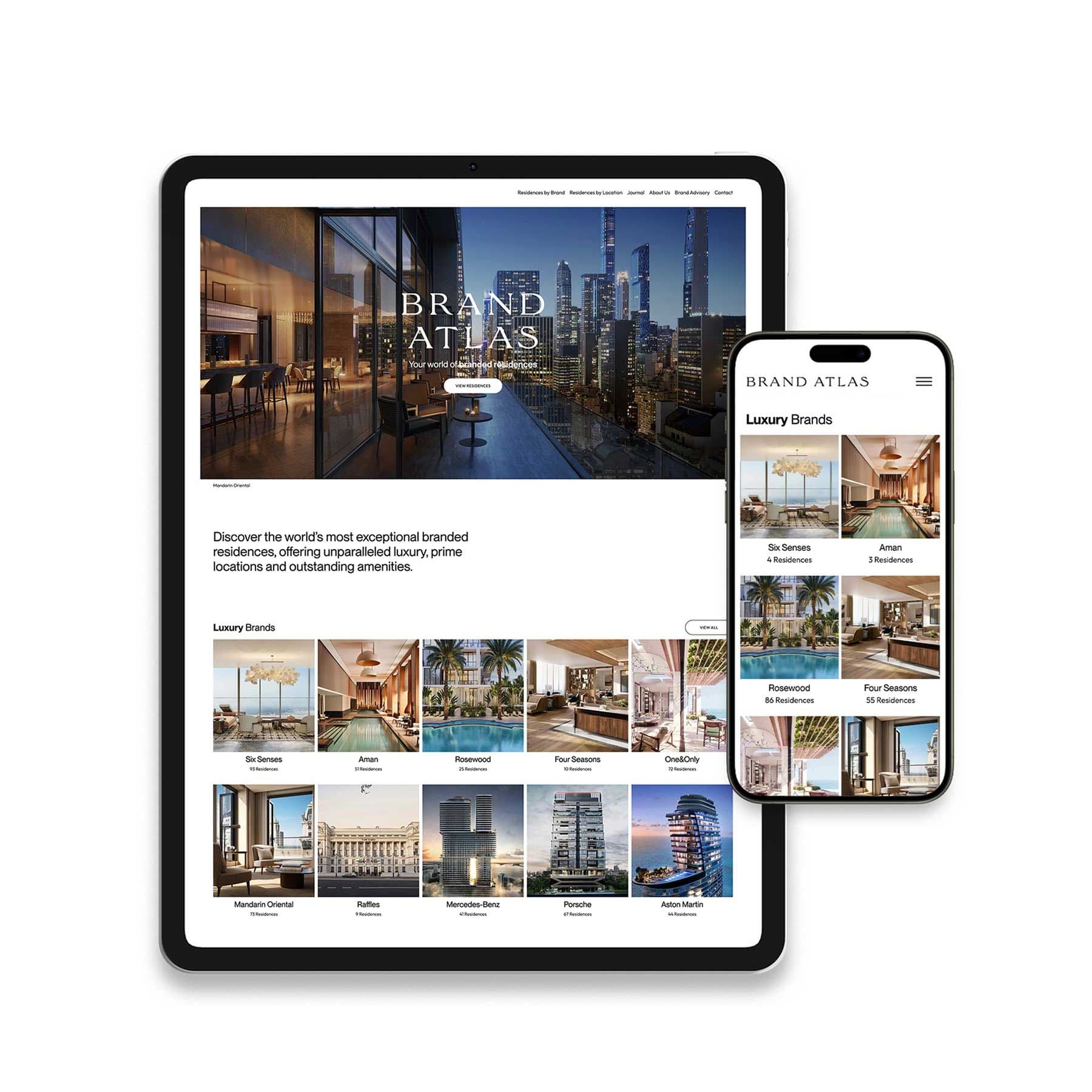
Brand Atlas is the world’s leading branded residences platform and brand consultancy.
Offering the definitive collection of the finest luxury branded residences in the most coveted locations, we give buyers and brands a unique opportunity to connect in this highly desirable and fast-growing market.
We work exclusively with leading brands, recognising the loyal relationship they share with their international audiences - and the exciting extension of luxury lifestyles through exceptional properties.
Providing an unparalleled and unbiased global overview, we enable buyers to see where their favourite brands are developing residences and to enjoy exploring and experiencing these exceptional properties.
Brand Atlas showcases the world’s finest branded residences on one digital platform, allowing global UHNW buyers access to a definitive collection of properties through a prestige network and top-tier technology.
Related News
The 10 Most Exclusive Branded Residences in 2026
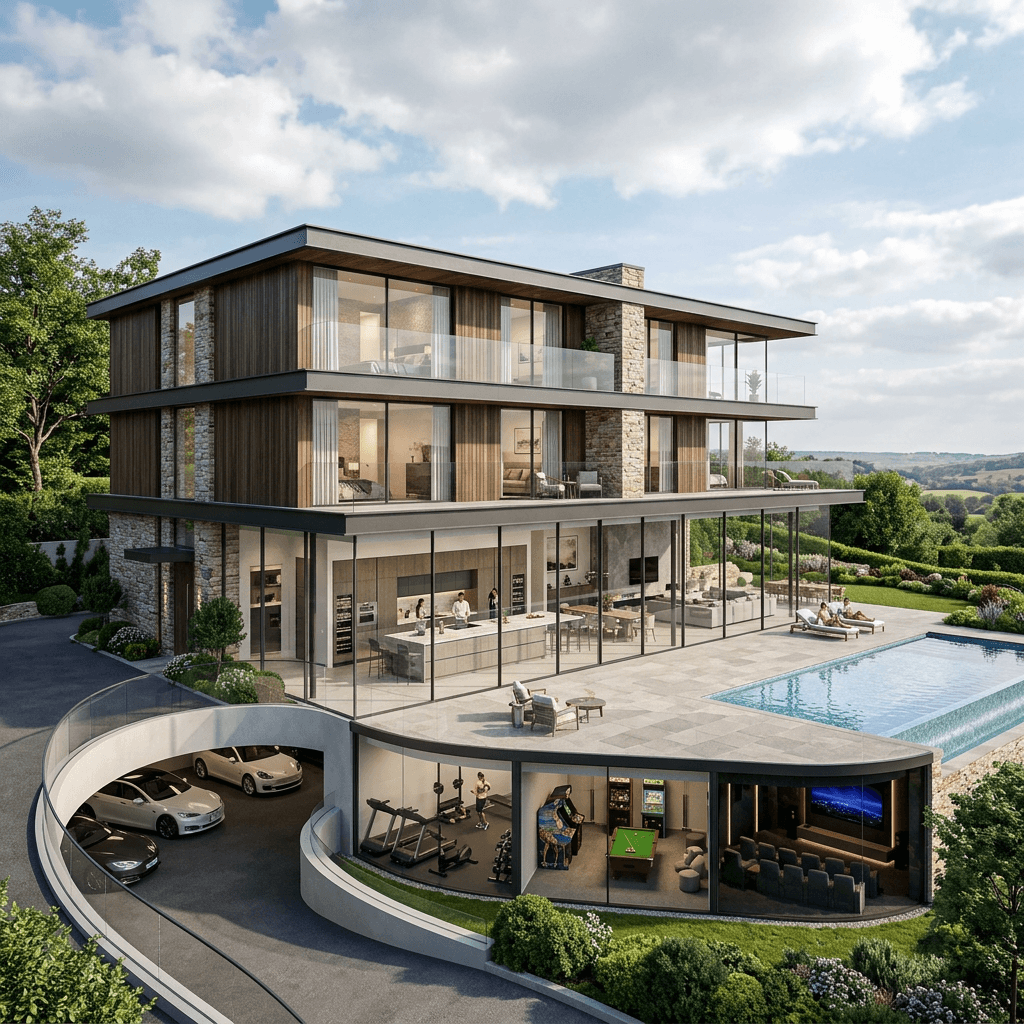
In 2026, exclusivity in branded residences is no longer defined by price alone. It is shaped by a sophisticated combination of brand equity, geographical rarity, design integrity, and the ability to deliver a consistently elevated living experience.

Premium vs. Performance: The Real Trade-Off Behind Branded and Non-Branded Luxury
Paying 30% more for a branded residence is either a sound strategic move or an expensive oversight. What determines the outcome is not the name on the building, but how well the investor understands the underlying mechanics of the asset before they commit.

The Branded Residence Premium: How Much Is Real, and How Much Is Marketing?
In Miami, Dubai, London, and Singapore, a brand affiliation regularly adds 40% to the price of a residential asset over comparable non-branded stock. In prime markets globally, that range typically sits between 20% and 35%. Those numbers are real. They are also only half the story.