

Beyond the Yield: Why Families Are Buying Infrastructure, Not Just Homes
For the modern Chinese UHNW family, a global residence is no longer an "occasional getaway", it's essential lifestyle infrastructure. According to Knight Frank, demand is shifting toward strategic anchors that provide proximity to elite education, world-class healthcare, and visa mobility. Developers who pivot from "investment-first" messaging to "legacy-first" product design are capturing the most resilient capital in the market.



Beyond the Yield:
Why Families Are Buying Infrastructure, Not Just Homes.
Chinese high-net-worth families are no longer buying overseas homes opportunistically. According to Knight Frank’s The Residence Report, residential decisions are increasingly shaped by long-term lifestyle planning, with education, healthcare access, mobility, and legacy now outweighing short-term yield.
This marks a structural shift developers need to understand.
Homes as Lifestyle Infrastructure
For many Chinese families, global real estate now functions as infrastructure for life planning. Residences near top universities, international schools, and world-class healthcare hubs are prioritised as strategic anchors rather than occasional holiday homes. Cities like Singapore, London, and select hubs in Southeast Asia are increasingly viewed as stable, long-term bases for family mobility.

Mobility and Certainty Over Speculation
Buyers are favouring markets with strong governance, transparent ownership structures, and ease of cross-border living. Visa pathways, flight connectivity, and residency flexibility directly influence residential demand. As a result, buyers are gravitating toward developments that minimise friction and offer clarity over long-term ownership and management.
Legacy and Intergenerational Thinking
Next-generation wealth planning plays a growing role. Homes are selected not only for current use, but for their ability to serve multiple generations, as education bases for children, lifestyle homes for parents, and stable assets for wealth transfer. This drives demand toward professionally managed, well-located residential formats with enduring appeal.

What This Means for Developers
For developers, this shift requires a rethinking of product positioning. Residential projects that integrate proximity to education and healthcare, emphasise wellness and security, and offer long-term management certainty are increasingly aligned with Chinese buyer priorities.
Equally important is communication. Clear storytelling around lifestyle continuity, family planning, and asset longevity resonates more than traditional investment messaging.
A Strategic Opportunity
As Chinese outbound demand continues to normalise, developers who understand residential demand as part of a broader lifestyle and legacy strategy will gain an advantage. The future buyer is not just purchasing a home, they are planning a global life.
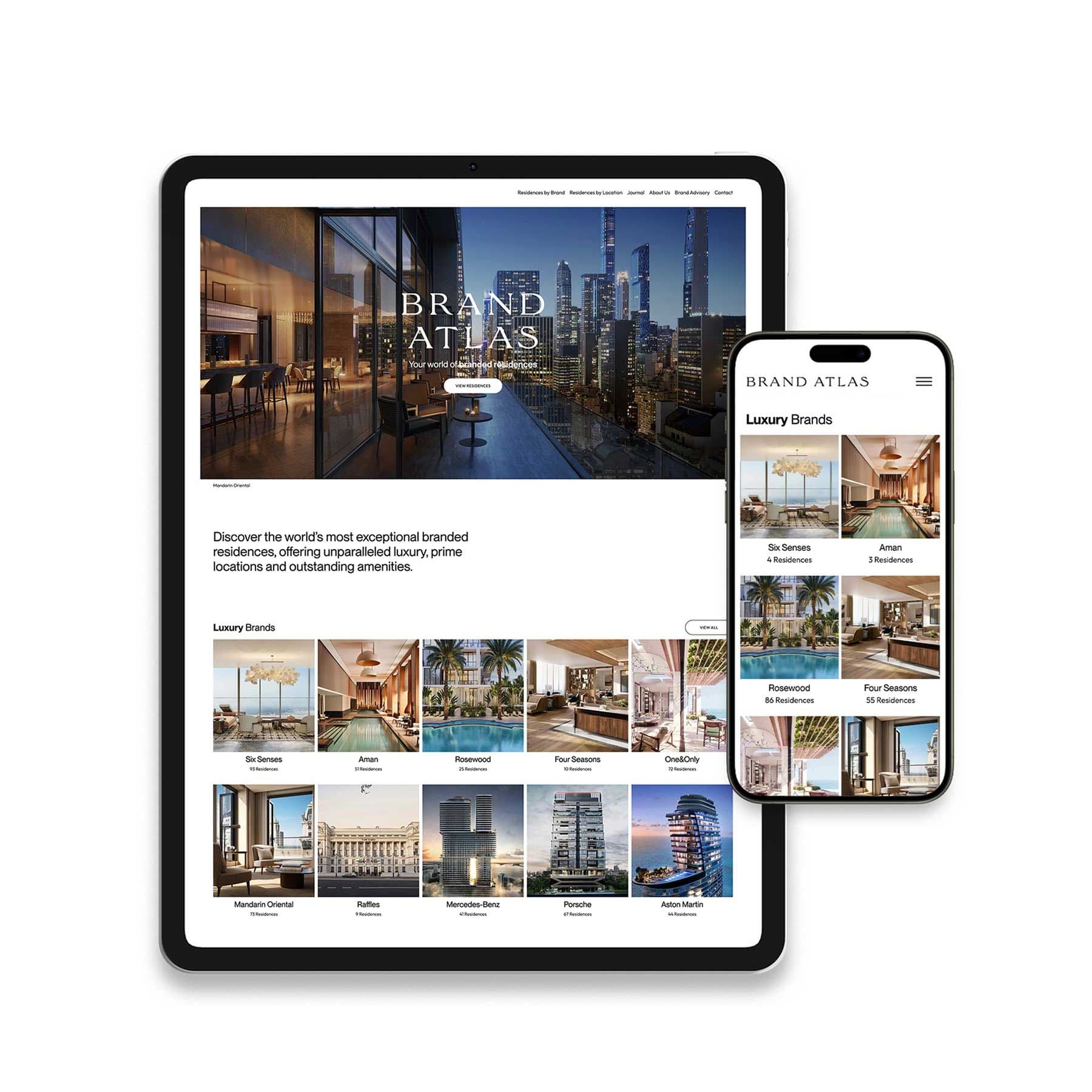
Brand Atlas is the world’s leading branded residences platform and brand consultancy.
Offering the definitive collection of the finest luxury branded residences in the most coveted locations, we give buyers and brands a unique opportunity to connect in this highly desirable and fast-growing market.
We work exclusively with leading brands, recognising the loyal relationship they share with their international audiences - and the exciting extension of luxury lifestyles through exceptional properties.
Providing an unparalleled and unbiased global overview, we enable buyers to see where their favourite brands are developing residences and to enjoy exploring and experiencing these exceptional properties.
Brand Atlas showcases the world’s finest branded residences on one digital platform, allowing global UHNW buyers access to a definitive collection of properties through a prestige network and top-tier technology.
Related News
The 10 Most Exclusive Branded Residences in 2026
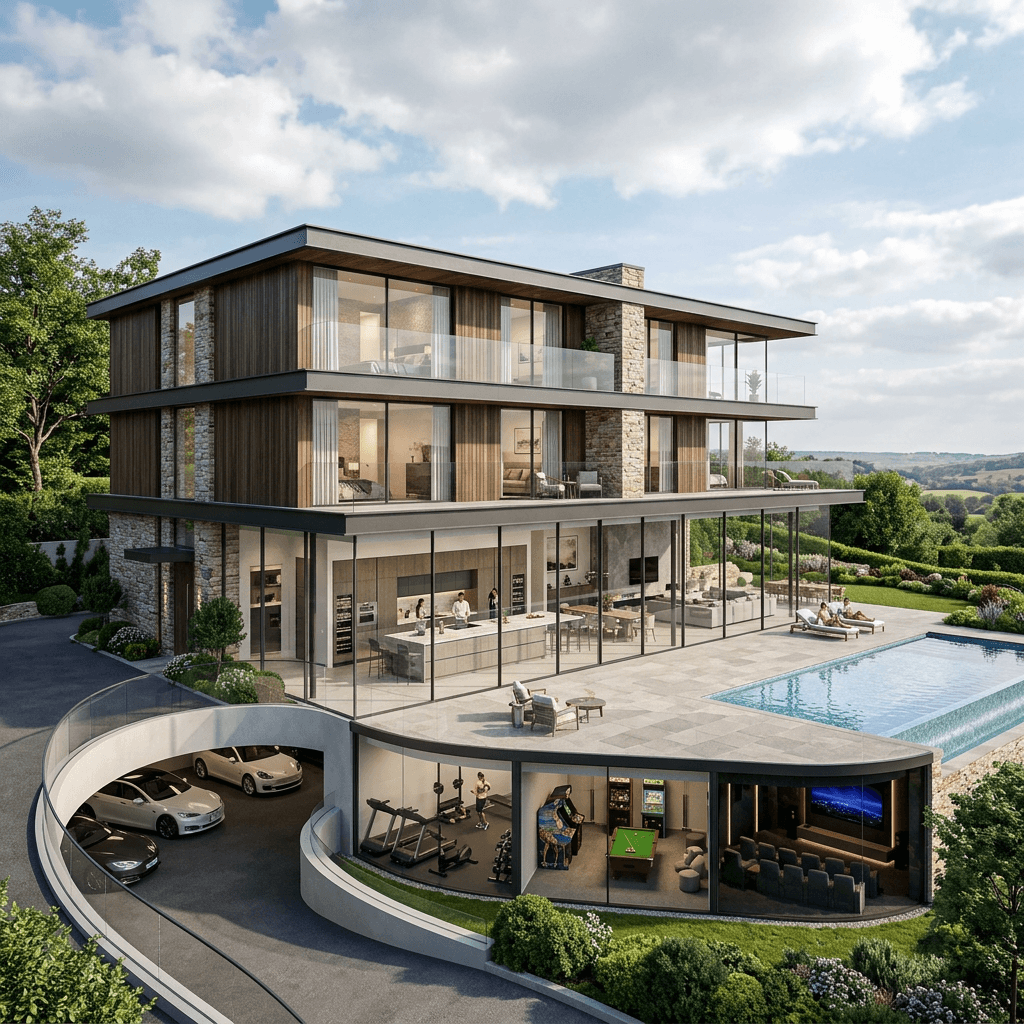
In 2026, exclusivity in branded residences is no longer defined by price alone. It is shaped by a sophisticated combination of brand equity, geographical rarity, design integrity, and the ability to deliver a consistently elevated living experience.

Premium vs. Performance: The Real Trade-Off Behind Branded and Non-Branded Luxury
Paying 30% more for a branded residence is either a sound strategic move or an expensive oversight. What determines the outcome is not the name on the building, but how well the investor understands the underlying mechanics of the asset before they commit.
The Branded Residence Premium: How Much Is Real, and How Much Is Marketing?
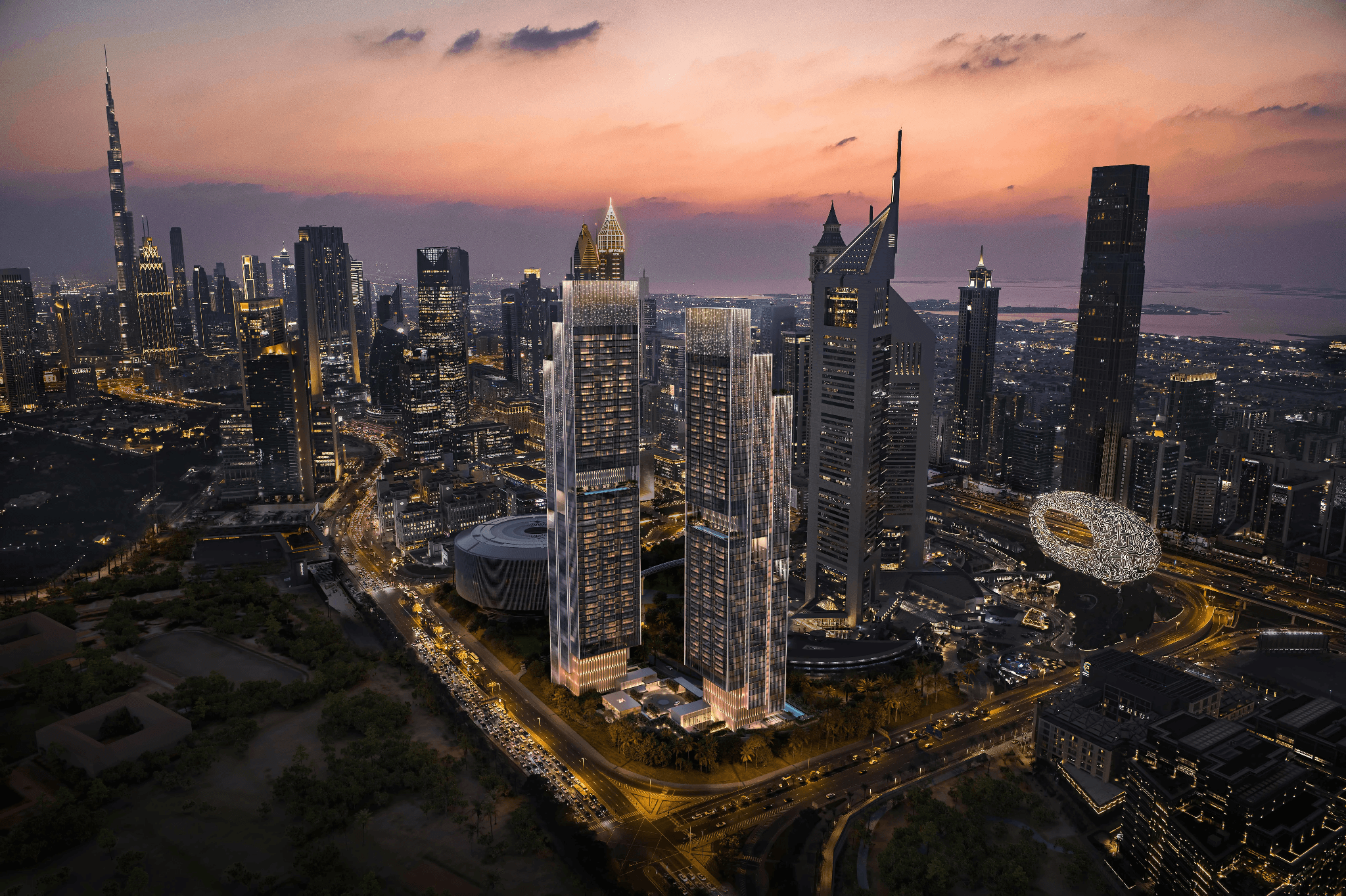
In Miami, Dubai, London, and Singapore, a brand affiliation regularly adds 40% to the price of a residential asset over comparable non-branded stock. In prime markets globally, that range typically sits between 20% and 35%. Those numbers are real. They are also only half the story.